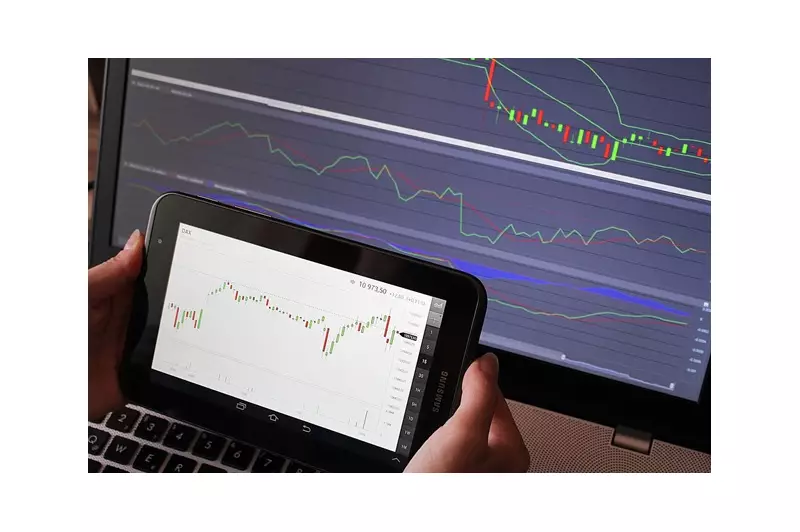
Artificial intelligence is fundamentally reshaping how Nigerian traders approach financial markets, particularly in indices trading. The revolutionary capability of AI systems to process enormous datasets, identify complex patterns, and adapt to new market information is providing traders with unprecedented competitive advantages.
Why Nigerian Traders Are Embracing AI for Indices
For Nigerian investors involved in trading indices like the S&P 500, NASDAQ 100, and FTSE 100, AI models now deliver forecasting precision that was previously unimaginable. These sophisticated tools can scan decades of historical market data within seconds, identify emerging trends, and generate real-time insights that help traders optimize their entry and exit timing with remarkable effectiveness.
Indices remain particularly popular among Nigerian traders because they offer exposure to broader economic or sector performance without requiring investment in individual stocks. This approach enables portfolio diversification, reduces company-specific risk, and creates opportunities in both rising and falling markets.

How AI Technology Enhances Market Predictions
AI models utilize advanced algorithms that learn from massive datasets and continuously adjust their analysis as new information becomes available. For indices trading, this means the systems can detect subtle correlations between market variables that would typically escape manual analysis.
Key improvements AI brings to market forecasting include analyzing historical price movements to identify recurring patterns, combining technical indicators with macroeconomic data for enhanced accuracy, adjusting strategies in real-time based on volatility and sentiment shifts, and backtesting trading ideas against decades of market data.
Practical AI Applications for Nigerian Trading
Nigerian traders are implementing AI technology in multiple ways to boost their performance in indices markets. Some integrate AI-powered signals directly into their trading platforms, while others utilize external analytics services specializing in AI market forecasts.
A common strategy involves combining AI-generated alerts with personal analysis. For instance, when an AI model signals a probable upward movement in the NASDAQ 100 based on recent data patterns, the trader can review charts and confirm the trade setup before executing. This partnership between technological intelligence and human judgment typically results in superior decision-making.
Understanding the connection between global oil prices and specific stock indices is particularly crucial for Nigerian traders. Some AI models incorporate commodity market data into their analysis, which holds special relevance in Nigeria where oil plays a central economic role. An AI system might detect that declining oil prices are exerting downward pressure on energy-heavy indices, signaling traders to either prepare short positions or avoid long trades until market conditions shift.
Balancing AI with Traditional Trading Wisdom
While AI produces impressively accurate forecasts, most successful Nigerian traders employ it alongside conventional analysis methods. Technical tools including support and resistance levels, trend lines, and moving averages help verify AI signals. Fundamental analysis incorporating economic reports and central bank statements adds crucial contextual layers.
For example, if AI predicts an upward movement in the S&P 500 but a major interest rate decision is scheduled for the following day, a prudent trader might await the announcement before committing to the trade.
Benefits and Considerations for Nigerian Traders
The advantages of AI for Nigerian index traders are substantial. Speed represents a primary benefit, as AI processes and analyzes data far faster than manual methods. Accuracy improves through combining multiple data sources, reducing error potential. Adaptability allows AI models to learn from market changes and adjust strategies accordingly, while consistency helps eliminate emotional bias from trading decisions.

However, AI remains a powerful tool rather than an infallible solution. Market conditions can change rapidly due to unexpected events, and even sophisticated AI models cannot predict sudden market shocks with absolute certainty. Additional challenges include potential over-reliance on AI without understanding market fundamentals, the necessity for quality data to ensure accurate forecasts, and possible costs associated with advanced AI-based services.
As technology becomes more accessible and internet connectivity improves across Nigeria, AI tools will likely become further integrated into trading platforms. Future advancements may include AI models capable of automatically adjusting position sizes, recommending diversification strategies, and providing real-time risk assessments customized to individual trader profiles.
This technological evolution promises to make indices trading more accessible to a broader Nigerian audience, from beginners to experienced professionals. By delivering faster analysis, deeper insights, and data-supported predictions, AI tools are empowering Nigerian traders to identify superior entry and exit points. The most effective application emerges when artificial intelligence combines with human judgment, sound risk management practices, and thorough understanding of market fundamentals.