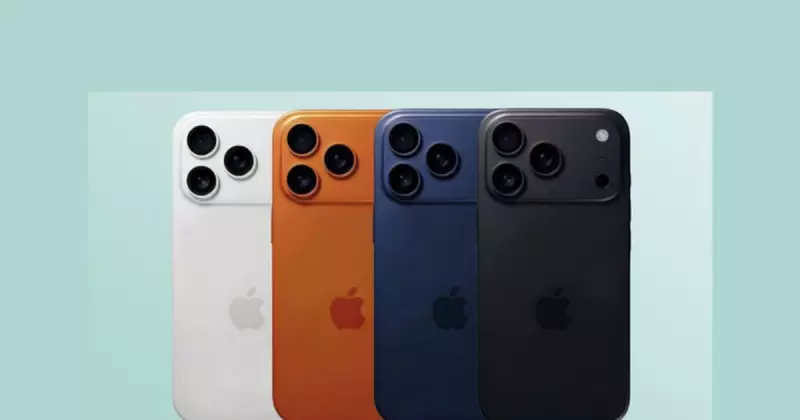
Apple stands as one of the world's most admired technology companies, a status earned through deliberate strategy. Its products boast thoughtful design, software support that outlasts competitors, and devices that hold their value. Critics often concede that an iPhone purchased today will remain functional for years. This discussion, however, isn't about poor quality or scams. It's about how Apple's culture of refinement, consistency, and aspiration subtly encourages repeated purchases, often without users fully realizing the frequent nudges to buy again.
The Annual Upgrade Cycle: Familiarity Masks Change
Apple's yearly release pattern offers a clear view of this approach. Each new iPhone launch is a major event, yet the user experience often feels remarkably similar to the previous model. Consider the standard iPhone 16 and iPhone 17. They share nearly identical visual designs: flat edges, familiar sizes, similar finishes, and minimal external changes. For many, telling them apart at a glance would be difficult.
Significant new features are increasingly reserved for the Pro and Pro Max models, and the uniquely designed iPhone 17 Air, which has reportedly faced market challenges. These premium variants get the noticeable camera improvements, display tech upgrades, and advanced materials. The standard models remain safe and familiar. This tactic is intentional. By keeping the base models consistent while pushing innovation to higher-priced tiers, Apple maintains an annual upgrade cycle even when tangible changes for most buyers are minimal. Industry teardowns and reviews consistently label these year-on-year improvements as incremental, not revolutionary. This creates a market where "new" doesn't always feel different, yet still feels essential.

Gentle Obsolescence and the Nigerian Price Reality
Apple's form of obsolescence is rarely aggressive. Older iPhones keep working, receive updates, and stay reliable for years—a key selling point. However, their usefulness erodes in quieter ways. New iOS features often require newer chipsets. Advanced camera processing, on-device AI, and performance-heavy tools are frequently limited to recent hardware. Batteries degrade, and while replaceable, performance slowly declines. Apple admitted in 2017 to throttling older iPhones to preserve battery health. The device doesn't break; it just stops feeling current. This gentle obsolescence avoids backlash while still encouraging upgrades.
The pricing impact is particularly sharp in Nigeria. While Apple products are premium globally, the local context intensifies the strain. When global prices are converted to Naira, an iPhone can cost several months' salary. Macs and iPads sit firmly in luxury territory. Import duties, exchange rate volatility, and inconsistent official pricing add further pressure. Even users who appreciate Apple's value face the reality that frequent upgrades carry a heavier personal cost in Nigeria than in many Western markets.
Sustainability Talk vs. Consumption Reality
Apple actively promotes its environmental goals, discussing carbon neutrality, recycled materials, and reduced packaging. The removal of chargers from iPhone boxes was framed as an eco-friendly move. Yet, the company's product release cadence hasn't slowed. Annual launches continue. Cosmetic refreshes like new colors drive desire. The accessory ecosystem expands constantly. The tension is evident: environmental responsibility is marketed loudly, but frequent consumption remains core to business growth. Apple's own reports acknowledge a reliance on carbon offsets alongside manufacturing tweaks, not major reductions in production volume.
When Apple removed chargers and EarPods, it argued this would cut waste and carbon emissions. In practice, these items didn't vanish; they became separate purchases. Beyond essentials, Apple markets an expansive accessory world: Power adapters, AirPods, MagSafe chargers, cases, and wallets. It partners with third-party brands for phone holders, stands, and lifestyle gear. New iPhone colors and accessory redesigns, sometimes incompatible with older models, encourage more spending. While packaging waste may be down, the broader ecosystem still nudges users toward continuous expenditure.

A recent TrendForce report adds another layer, predicting rising memory prices into early 2026. This may lead smartphone makers to hike prices or reduce base storage. For Apple users, this is critical. Base storage options are often limited, and upgrading at purchase is expensive. Many quickly turn to iCloud subscriptions for photos and backups, creating a cycle of upfront costs and ongoing monthly fees. Essential storage becomes a recurring expense.
Technology as Identity and Class Symbol
Perhaps Apple's strongest influence in Nigeria lies beyond specs. Its products function as powerful social symbols. Owning an iPhone often signals class, stability, and success. The appeal isn't purely about performance; it's about perception. Apple's marketing sells aspiration, turning devices into identity objects. Upgrading becomes social currency. Using the latest iPhone can signal progress and relevance. For many, Apple isn't just tech; it's proof of having "made it."
Any fair analysis must acknowledge why users remain loyal. Software support outlasts most Android rivals. Privacy controls are robust. Performance is dependable over time. These real strengths don't cancel out the consumerism but soften it, making repeated spending feel justified. Apple didn't invent tech consumerism; it refined it, made it elegant, and removed much of the guilt. Its products last, look polished, and feel reliable. That very polish makes replacing working devices feel less wasteful and more aspirational. The core question isn't whether Apple makes quality products—it does. It's how often users are encouraged to replace things that still function, and how quietly that encouragement has become normal.