Elon Musk Sparks Controversy with ChatGPT Warning, Altman Fires Back in Public Clash
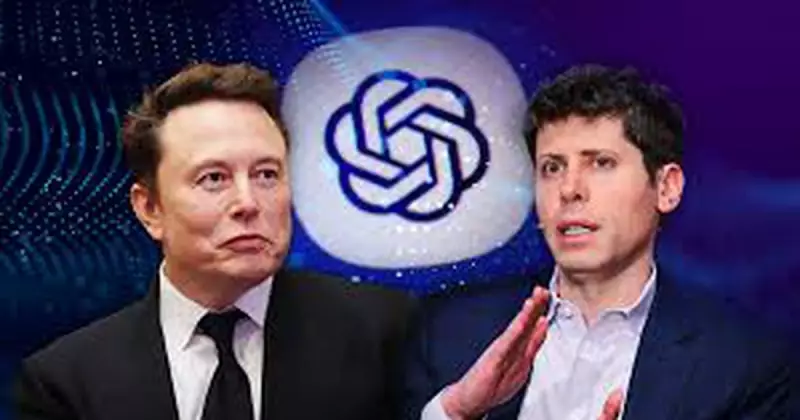
In a development that has sent shockwaves through global technology circles, billionaire entrepreneur Elon Musk has ignited a fresh controversy by publicly warning users against employing ChatGPT, the popular artificial intelligence chatbot developed by OpenAI. The Tesla and X (formerly Twitter) founder's stark admonition has triggered an immediate and forceful response from OpenAI's chief executive Sam Altman, transforming what began as a social media post into a full-blown public confrontation between two of the most prominent figures in the artificial intelligence industry.
The Warning That Started It All
Musk's intervention came via his platform X, where he posted a blunt message that read: "Don't let your loved ones use ChatGPT." This concise warning rapidly transcended his immediate followers, spreading across technology blogs, social media platforms, and international news outlets within hours. The statement left both critics and supporters puzzled, particularly given Musk's historical involvement as one of OpenAI's original co-founders.
The context for Musk's dramatic warning appears to be unverified claims circulating on social media that linked ChatGPT interactions to multiple deaths, including alleged suicide cases. While these allegations remain unconfirmed by independent investigations, Musk's amplification of these concerns provided them with unprecedented visibility and sparked intense debates about artificial intelligence safety protocols, mental health considerations, and the distribution of responsibility when individuals engage with advanced technological systems.

Altman's Swift and Nuanced Response
OpenAI's leadership responded with remarkable speed to Musk's provocative statement. Sam Altman took to X to deliver a carefully crafted defense of ChatGPT and his organization's approach to safety measures. In his response, Altman acknowledged the reported incidents as "tragic and complicated situations" that merit thoughtful and respectful handling.
Rather than dismissing concerns outright, Altman emphasized the genuine complexity of creating a tool like ChatGPT that remains both safe and useful for its nearly one billion global users. "It is genuinely hard," Altman wrote, highlighting OpenAI's ongoing efforts to protect vulnerable users while maintaining the AI's functionality for the broader population.
In a strategic countermove, Altman pointed to what he characterized as inconsistency in Musk's critique, noting that the billionaire had previously criticized ChatGPT for being overly restrictive in content handling, yet now appeared to be suggesting it was insufficiently cautious. Altman further redirected attention to safety records in Musk's own ventures, specifically mentioning Tesla's Autopilot system and its association with multiple fatal crashes.
The OpenAI CEO also made indirect reference to Musk's competing AI chatbot Grok, developed by his company xAI, suggesting it might lack appropriate safeguards. This maneuver effectively shifted the conversation toward Musk's own technological safety practices and accountability standards.
Historical Context of the Ongoing Feud
To fully comprehend the intensity of this latest exchange, one must consider the longstanding history between these two technology titans. Both Musk and Altman were founding members of OpenAI when it launched in 2015 as a nonprofit research organization dedicated to advancing artificial intelligence responsibly.
Musk departed from OpenAI's board in 2018, citing potential conflicts of interest with Tesla's AI development and expressing disagreements about the organization's strategic direction. Since that separation, OpenAI has evolved into a hybrid entity with a capped-profit structure, while Musk established xAI in 2023 to pursue his own artificial intelligence initiatives.

This structural transformation drew criticism from Musk, who argued that OpenAI had deviated from its original mission. The two executives have exchanged public criticisms multiple times over the years, with Musk questioning OpenAI's safety management and public communication strategies, while Altman has challenged aspects of Musk's ventures. These tensions have occasionally escalated to legal dimensions, including a lawsuit from Musk alleging OpenAI misrepresented its direction following his departure.
Broader Implications for AI Development and Accountability
At its fundamental level, this public clash between Musk and Altman reflects much larger societal conversations about how to responsibly manage powerful emerging technologies. As artificial intelligence becomes increasingly integrated into daily life—from educational assistance and business operations to medical research—critical questions about safety protocols, regulatory frameworks, and ethical responsibility have gained urgency.
This incident demonstrates how personal perspectives, corporate competition, and public communication strategies can significantly influence broader narratives about artificial intelligence development. The competitive landscape of AI, with platforms like ChatGPT, Grok, and others vying for user adoption and industry influence, ensures that every public statement from prominent figures receives intense scrutiny and rapid dissemination.
As this story continues to develop, one reality remains evident: how technology leaders discuss artificial intelligence profoundly impacts public trust, adoption patterns, and the future trajectory of this rapidly evolving field. This exchange between Musk and Altman will likely be remembered as a pivotal moment in ongoing global discussions about technological innovation, corporate responsibility, and societal accountability in the age of artificial intelligence.