Norwegian Scientist Suffers Brain Damage Testing Microwave Weapon on Himself
A Norwegian scientist has reportedly sustained significant brain injury after conducting a dangerous self-experiment with an experimental microwave-based device. The researcher aimed to challenge prevailing claims and theories surrounding the mysterious condition known as "Havana Syndrome."
Self-Inflicted Harm in Pursuit of Answers
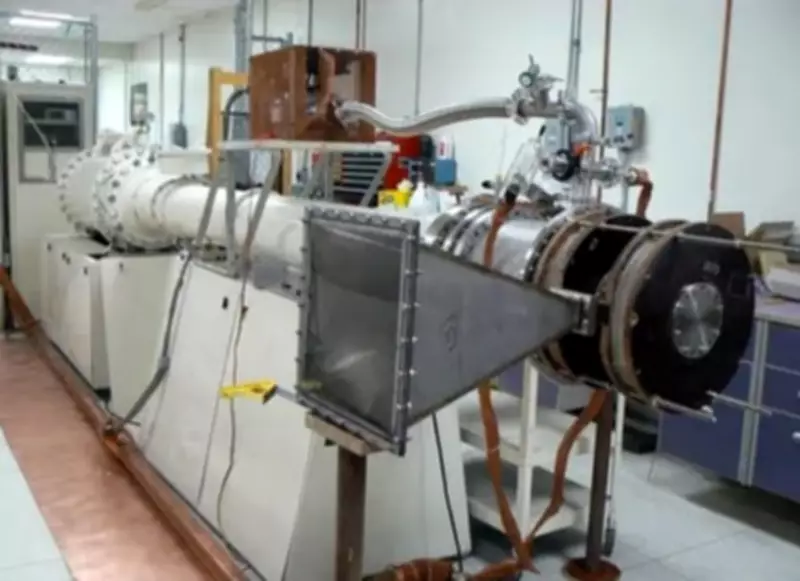
According to detailed reports, the scientist utilized a device specifically designed to emit powerful pulses of microwave energy. Operating under the belief that the technology would prove to be harmless, he proceeded with the test on his own person. However, shortly after the experiment, he began experiencing a range of alarming symptoms commonly associated with Havana Syndrome.
These symptoms included severe headaches, persistent dizziness, a constant ringing in the ears, and notable cognitive difficulties. The incident has raised serious questions about the potential dangers of such experimental technologies and the risks of self-administered tests.

CIA Involvement and International Scrutiny
The scientist is said to have formally informed the Central Intelligence Agency (CIA) about the experiment and its distressing outcome in the year 2024. Following this disclosure, United States officials reportedly traveled to Norway to conduct a thorough examination of the device in question.
Investigations revealed that the device was believed to have been assembled using various components, some of which were allegedly sourced from a foreign government. This detail has added a layer of complexity to the ongoing international scrutiny surrounding such technologies.
Understanding Havana Syndrome
"Havana Syndrome" is the term widely used to describe a cluster of unexplained health symptoms that were first reported in 2016 by United States personnel stationed at the embassy in Havana, Cuba. The US government officially refers to these cases as "anomalous health incidents."
Since the initial reports, similar symptoms have been documented in more than 15 countries across the globe, including Russia, China, India, Colombia, the United States, and the United Kingdom. It is estimated that more than 1,500 American officials have experienced related symptoms since 2016.
Theories and Ongoing Debates
Several theories have emerged suggesting that directed-energy weapons or microwave-based devices could be responsible for these incidents, potentially causing neurological harm from a distance. However, there remains no confirmed evidence definitively proving that foreign governments are behind the attacks. Russia has consistently denied any involvement in such activities.
Sources familiar with the Norwegian case have reportedly cautioned that the scientist's symptoms do not perfectly align with typical accounts of Havana Syndrome. They emphasize that this single experiment does not conclusively prove that the condition results from deliberate attacks or hostile actions.
Covert Operations and Technological Speculation
Additional reports have claimed that US authorities purchased a suspected microwave device in a covert operation conducted in 2024. The device was described as portable and containing components of Russian origin, though there has been no verified evidence confirming it was manufactured by Russia.
Despite growing speculation about the potential use of microwave or sonic technologies, officials have acknowledged ongoing uncertainty. There are significant questions about whether devices of that size and capability could realistically produce the type of profound neurological effects reported by affected individuals.
Unresolved Investigations and Future Directions
The broader debate over Havana Syndrome remains unresolved, with multiple investigations continuing to explore possible causes. These investigations are examining a wide range of explanations, including environmental factors, psychological conditions, and various technological possibilities.

The case of the Norwegian scientist serves as a stark reminder of the complexities and dangers associated with experimental weapons research. It underscores the urgent need for further scientific inquiry and international cooperation to fully understand and address the mysteries surrounding Havana Syndrome and similar anomalous health incidents.