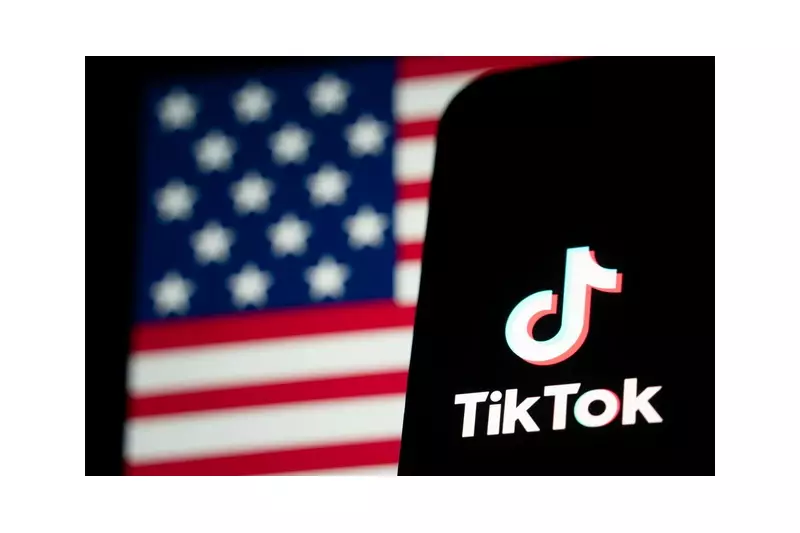
TikTok has successfully concluded a monumental $14 billion agreement to establish a dedicated United States subsidiary, effectively preventing a comprehensive nationwide ban on the widely-used video-sharing application. This strategic move comes as a direct response to legislative actions and persistent national security apprehensions regarding the platform's connections to China.
New Ownership Structure and Key Stakeholders
The freshly finalized ownership framework introduces a consortium of prominent international investors. Leading American private equity firm Silver Lake, Abu Dhabi-based artificial intelligence enterprise MGX, and technology powerhouse Oracle have each secured a 15 percent stake in the newly formed US joint venture. Oracle, co-founded by Larry Ellison, a noted ally of former US President Donald Trump, plays a pivotal role in this arrangement.
TikTok's parent company, Beijing-headquartered ByteDance, will maintain a minority ownership position of just under 20 percent. Additionally, the Dell Family Office, the investment division of Dell Technologies chairman and CEO Michael Dell, is participating in this significant financial undertaking.

Legislative Background and Presidential Involvement
This agreement directly addresses legislation passed by the US Congress in April 2024, which mandated that TikTok must be sold to American owners by January 19, 2025, or confront an outright prohibition. The legislative action was primarily driven by concerns over potential national security risks associated with the app's Chinese affiliations.
Former President Donald Trump repeatedly postponed enforcement of the ban during ongoing negotiations. In September, he signed an executive order approving the fundamental structure of the deal, granting the involved parties extended time to finalize specific terms and conditions.
Governance and Operational Framework
Under the newly established arrangement, TikTok's US operations will function as an autonomous entity supervised by a seven-member board of directors. This governing body will include TikTok CEO Shou Zi Chew; Oracle Executive Vice President Kenneth Glueck; Timothy Dattels, senior adviser at TPG Global; Mark Dooley, managing director at Susquehanna International Group; Silver Lake co-CEO Egon Durban; DXC Technology CEO Raul Fernandez; and David Scott, chief strategy and safety officer at MGX.
Adam Presser, currently TikTok's head of operations and trust and safety, has been appointed to serve as the chief executive officer of the new joint venture. This leadership structure aims to ensure robust oversight and operational independence.
Algorithm Control and Data Management
A critical component of the negotiations centered on control over TikTok's influential recommendation algorithm. Vice President JD Vance emphasized that the US entity would possess authority over this algorithm, which he described as essential for meeting national security standards.
According to company statements, the US platform will retrain and update its algorithm utilizing American user data exclusively. Oracle will host and manage this system within its US-based cloud infrastructure, providing an additional layer of data security and domestic oversight.
Political Reactions and Ongoing Scrutiny
Former President Trump publicly endorsed the agreement in a post on his Truth Social platform, characterizing it as a victory for American investors and the platform's continued presence in the country. He acknowledged Chinese President Xi Jinping's ultimate approval of the deal, expressing gratitude for his cooperation.
While Trump has portrayed the arrangement as a "qualified divestiture" that completely severs ByteDance's control, Chinese officials have adopted a more measured stance. They have emphasized that any agreement must comply with Chinese regulations and carefully balance the interests of all participating parties.
Lawmakers who initially raised national security concerns regarding TikTok have indicated they will continue to examine the agreement closely to ensure full compliance with US law. Some have shown willingness to accept assurances that the deal adequately addresses worries about potential surveillance and content manipulation.

Persistent Skepticism and Future Implications
Despite these developments, certain critics remain unconvinced. Michael Sobolik, a senior fellow at the Hudson Institute, argued that the agreement still leaves unresolved questions about China's potential influence over the platform. He suggested that Beijing may have retained significant leverage despite the apparent divestment.
This landmark deal is anticipated to maintain TikTok's operational status in the United States while fundamentally reshaping its governance model and data control mechanisms under American supervision. The outcome represents a complex intersection of global technology, international politics, and national security priorities.