Podcasting has emerged as a fascinating and accessible medium for creating and distributing content to a global audience. Over the years, it has evolved into one of the most popular methods for producing original media from the comfort of your home or a dedicated studio. With the right tools, you can record and edit podcasts virtually anywhere, making it an ideal venture for aspiring Nigerian creators looking to share stories, insights, or entertainment.
Understanding the Podcast Landscape
Podcasts can cover a wide range of topics, from gripping true crime narratives to in-depth reviews of television shows, reaching listeners across Nigeria and beyond. The success of a podcast often hinges on the relevance of its content and the engaging personalities of its hosts. If you are curious about starting your own podcast, you might be wondering where to begin. This article provides a detailed, step-by-step guide to launching a podcast and offers practical tips for expanding your listener base.
1. Define Your Purpose
Before diving into the technical aspects, it is crucial to identify your why. Why do you want to start a podcast? Your motivation could range from having fun with friends to generating business leads, establishing yourself as an industry leader, or sharing an important message. Podcasting offers numerous benefits for brands and individuals, but it is essential to set realistic expectations. While some podcasters achieve rapid fame, most build a dedicated audience gradually over time.
2. Narrow Down Your Niche
A podcast that tries to appeal to everyone often ends up reaching fewer people. Listeners are more likely to recommend a specialized podcast to their friends than a generic one. You can find your niche by exploring your passions, personal experiences, or selecting a specific sub-topic. Consider what makes your podcast unique. What distinctive perspective can you offer on your chosen subject? There is always a fresh angle to explore, so take the time to discover it.
3. Gather Essential Equipment
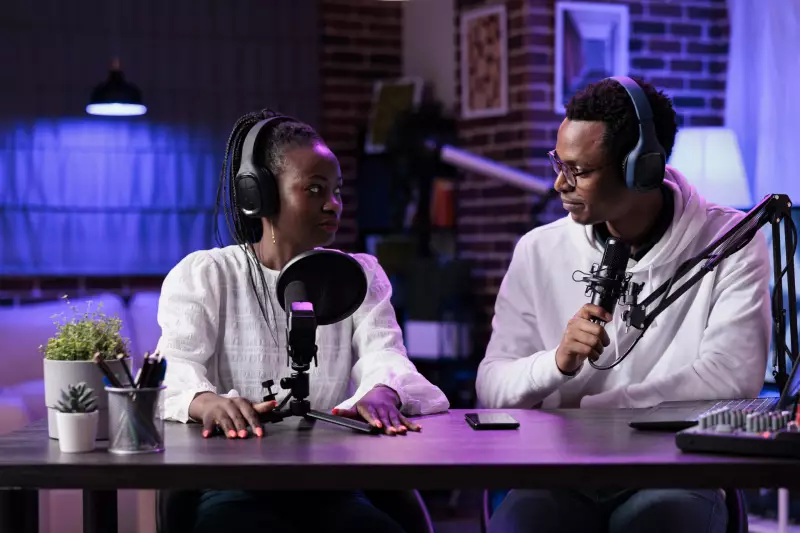
Once you have a clear idea, it is time to address the technical side of podcast production. To start recording, you will need to acquire, rent, or borrow the right equipment. Essential items include a high-quality microphone, a reliable pair of headphones, and a PC or laptop. Microphones with USB ports are ideal for direct recording to your computer. For enhanced audio quality, you might invest in additional gear like boom mics, shock mounts, audio mixers, and microphone cables.
Podcast microphones generally come in two types:
- XLR Microphones: These offer maximum flexibility and durability, with a wide variety of options available. However, they require an interface or mixer, which can be costly for beginners.
- USB Microphones: These are more affordable, plug directly into your computer, and deliver excellent sound quality. They are a practical choice for most podcasters, especially those starting out in Nigeria.
4. Record and Edit Your Audio
With your equipment ready, you can begin recording your first episode. Depending on your podcast's format, you might write a detailed script or allow hosts and guests to improvise based on talking points. Choose a recording time and location that minimizes background noise and distractions. Install an audio editing program on your computer to adjust volume levels, trim unnecessary clips, enhance quality, and add music or sound effects.
5. Test Your Concept
Create an engaging introduction and outro for your podcast. Your intro should clearly communicate what your show is about and the value it provides. A well-crafted intro can captivate listeners and encourage them to stay for the entire episode, helping to build a loyal audience.
6. Select Podcast Software
After recording, use podcast editing software to structure your episode and optimize the audio. Fortunately, there are many affordable and even free tools available that offer high-quality editing capabilities, making it easier for Nigerian creators to produce professional-sounding content.
7. Find a Suitable Recording Space
As a beginner, you may not have access to a professional studio. Do not worry; you can record in a quiet room with plenty of soft furnishings like furniture, curtains, rugs, or carpets. These materials help absorb sound, reducing echoes from hard, flat surfaces. For better soundproofing, consider adding foam panels to the walls.
8. Design Compelling Artwork
Your podcast cover art is the first impression potential listeners have on platforms like Apple Podcasts or social media. High-quality artwork can significantly impact your show's appeal, with studies showing that a significant percentage of new listeners are more likely to tune in if they like the cover design. Invest time in creating visually appealing artwork that reflects your podcast's theme and quality.
By following these steps, you can embark on your podcasting journey with confidence, leveraging your unique voice to connect with audiences in Nigeria and beyond.