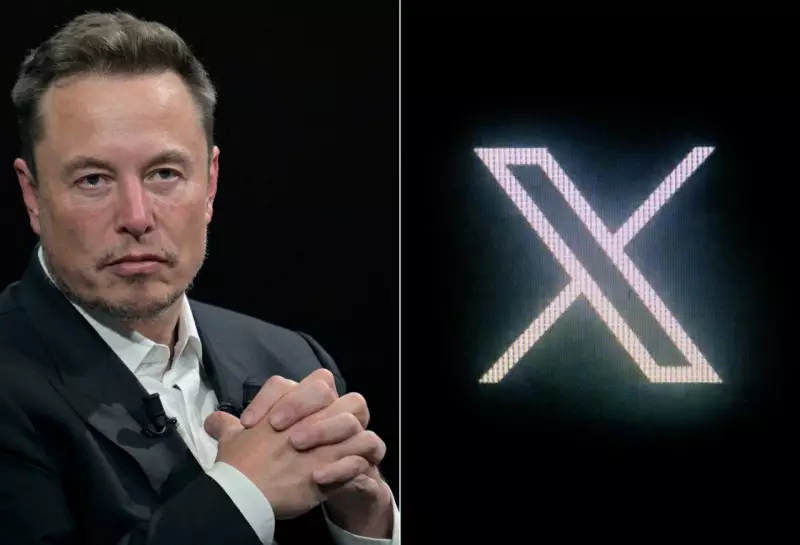
The European Union has taken a landmark enforcement action, slapping a hefty fine of one hundred twenty million euros on Elon Musk's social media platform, X. This penalty, the first of its kind under the bloc's new Digital Services Act (DSA), centres on breaches of transparency rules and has immediately ignited a diplomatic spat with the United States.
What X Did Wrong: Deceptive Design and Lack of Transparency
The European Commission, the EU's executive arm, stated that X violated the DSA in several key areas. The primary issue was the "deceptive design" of its blue checkmark verification system. Following Musk's overhaul, the system allowed "anyone can pay" for the badge, which the EU argues misleads users and exposes them to risks like impersonation scams, fraud, and manipulation by bad actors.
Furthermore, the commission found that X failed to provide clear information on political and commercial advertising and did not grant researchers the required access to public data, as mandated by the digital rulebook. The formal DSA probe into X began in December 2023.
A Political Firestorm: US Backlash and EU Defence
The decision did not land quietly. Even before the fine was officially announced, US Vice President JD Vance warned Europe against "attacking American companies over garbage," a comment that prompted Musk to reply, "Much appreciated." The Trump administration's newly released national security strategy also told Europe to abandon its "failed focus on regulatory suffocation."
EU tech chief Henna Virkkunen strongly defended the action. "This decision is about the transparency of X" and "nothing to do with censorship," she stated, pushing back against US criticism. She emphasized that the €120 million penalty was "proportionate" and that the goal is enforcement, not maximising fines. "We are here to make sure that our digital legislation is enforced," Virkkunen said.
Broader Implications and Ongoing Scrutiny
The case had reportedly stalled due to political concerns over the US reaction, especially after Donald Trump's return to the White House and Musk's renewed influence in Washington. However, Brussels proceeded, insisting US pressure did not affect the outcome. Under the DSA, fines can reach up to 6% of global revenue, meaning the EU could have levied a much larger penalty based on Musk's wider business empire but chose a more moderate figure.
Advocacy groups welcomed the move. The Center for Countering Digital Hate said it shows "no tech platform is above the laws." France's digital affairs minister, Anne Le Henanff, called it a "historic" moment proving Europe can move "from words to action."
Separately, the commission announced it accepted commitments from TikTok on ad transparency, though the Chinese-owned app remains under DSA investigation for other issues. The probe into X regarding illegal content and information manipulation is also ongoing.