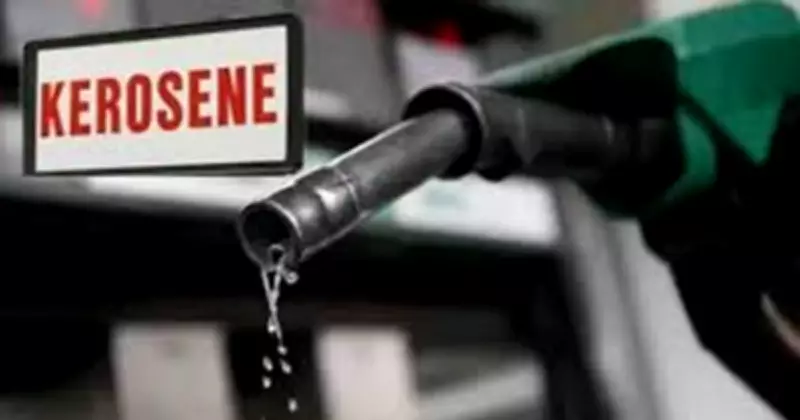
More Nigerians may soon abandon cooking gas and kerosene for firewood and charcoal as the prices of household cooking fuels continue to rise sharply across the country, worsening the cost of living crisis facing many families.
Recent market surveys and data from the National Bureau of Statistics show that kerosene prices have climbed close to ₦4,000 per litre in some states, while the cost of refilling cooking gas has also surged nationwide. In states like Sokoto, Kebbi and Lagos, residents now pay some of the highest kerosene prices in the country, with many low-income households struggling to afford basic cooking needs. At the same time, the cost of Liquefied Petroleum Gas, popularly known as cooking gas, has continued to rise across major cities, with some residents paying between ₦1,500 and ₦1,700 per kilogram depending on location and supply conditions. The latest increases have forced many Nigerians to reconsider how they cook daily meals as household incomes continue to shrink under inflation and rising transportation costs.
Energy experts and marketers have linked the rising prices to several economic challenges affecting Nigeria’s downstream petroleum sector. One of the major factors is the continued instability of the naira against the dollar, which affects the cost of importing petroleum products and gas-related equipment. Marketers have also blamed high transportation costs, rising depot prices, supply chain challenges and inflation for the increase in household fuel prices. Although Nigeria produces crude oil, the country still relies heavily on imports and distribution systems affected by foreign exchange fluctuations and global market conditions. The removal of fuel subsidy and rising logistics costs have also contributed to increased operational expenses across the energy sector.
In recent months, cooking gas distributors warned that prices could continue rising if foreign exchange pressures and supply challenges persist. The rising cost of cooking fuels is expected to place additional pressure on millions of Nigerian households already battling expensive food prices and economic hardship. For many low-income families, cooking gas and kerosene are gradually becoming luxury items. As a result, more Nigerians may begin returning to cheaper alternatives such as charcoal and firewood despite concerns over health risks and environmental damage. In several communities, especially rural and low-income urban areas, charcoal sellers and firewood traders are already witnessing increased demand from households looking for more affordable cooking options.
Health experts have repeatedly warned that constant exposure to smoke from firewood and charcoal can lead to respiratory illnesses, especially among women and children who spend longer hours in kitchens. Environmental advocates have also raised concerns that increased dependence on firewood could worsen deforestation and environmental degradation across different parts of the country. Despite the concerns, many Nigerians say survival and affordability now take priority as economic pressures continue to affect household spending.