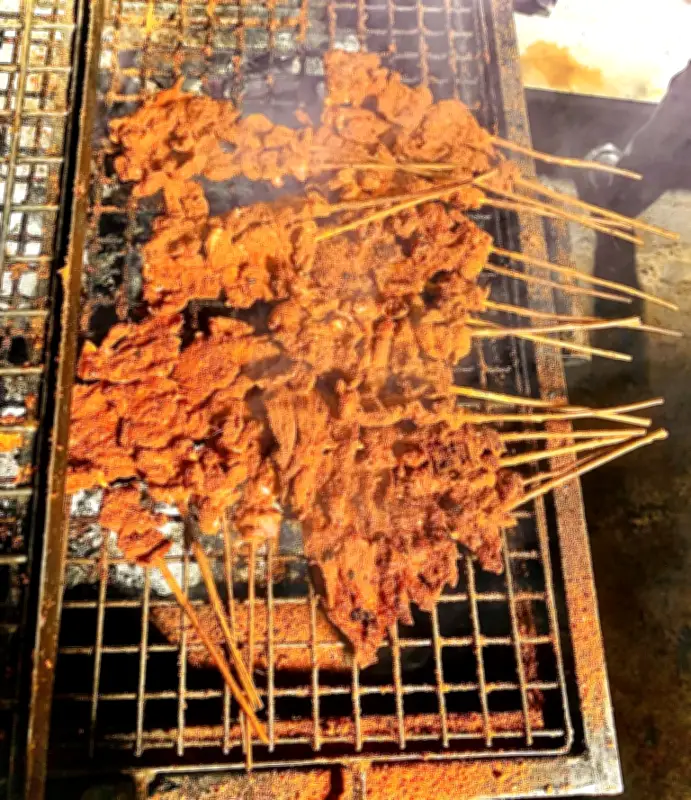
Suya, the spicy grilled meat that has become a staple of Nigeria's food culture, offers significant nutritional benefits but also carries health risks if not prepared and consumed carefully, according to health experts. Originating from the Hausa people of northern Nigeria, where it is traditionally known as 'tsire', suya is typically made from thin slices of beef coated in yaji—a spice blend of chili pepper, ginger, garlic, and other spices—then grilled over charcoal. Its smoky flavor, affordability, and convenience have made it a favorite across the country. However, factors such as poor hygiene, excessive salt, fatty cuts, and frequent consumption can pose health risks, experts say.
Nutritional Benefits of Suya
Prepared with lean meat, suya provides high-quality protein essential for growth, tissue repair, and muscle maintenance. Beef, a common base, supplies iron, zinc, and vitamin B12, supporting immune function, healthy blood formation, and brain function. Chicken and ram are also used. Dr. Allen Luca, a medical officer at the National Primary Health Care Development Agency (NPHCDA) in Kaduna State, told PT Health Watch that lean cuts of beef or chicken offer quality protein and essential nutrients that help prevent anemia and support immunity. Yaji, the spice blend, contains ginger, garlic, and chili peppers, which have natural antioxidant and anti-inflammatory properties, though they should complement a balanced diet rich in fruits, vegetables, and whole grains.
Health Risks: Salt, Fat, and Hygiene
Dr. Luca cautioned that nutritional benefits can be undermined by unhealthy preparation. Many vendors use generous amounts of salt and seasoning cubes, and fatty cuts of meat. The World Health Organisation (WHO) recommends adults consume less than five grams of salt daily, as excessive sodium intake contributes to high blood pressure, heart disease, and stroke. Food safety is another major concern. The WHO estimates that about 866 million people fall ill annually from contaminated food, resulting in approximately 1.5 million deaths worldwide. Dr. Luca advised consumers to avoid meat exposed to dust, flies, and vehicle fumes, and to watch for vendors who handle money and food without washing hands, lack clean water, or fail to cook meat thoroughly. Warning signs include flies around meat, dirty grills, unpleasant odors, slimy or discolored meat, and cross-contamination from using same utensils for raw and cooked meat. A Nigerian study detected bacteria in roadside suya samples, underscoring the need for proper handling.
Cancer Risk from Grilled Meat
Questions about grilled meat causing cancer have persisted. The International Agency for Research on Cancer (IARC) notes that cooking meat at high temperatures over open flames can produce heterocyclic amines (HCAs) and polycyclic aromatic hydrocarbons (PAHs), which may damage DNA and increase cancer risk with prolonged exposure. Dr. Luca emphasized that occasional suya consumption does not cause cancer; concern is highest for those who regularly consume large amounts of heavily charred meat over many years, eat burnt portions, or maintain diets low in fruits and vegetables. He advised cutting away heavily burnt parts and maintaining a balanced diet.
Who Should Be Cautious?
Certain groups should exercise greater caution. Children are more vulnerable to food poisoning due to developing immune systems, while older adults often experience severe illness from foodborne pathogens. Pregnant women should ensure meat is thoroughly cooked and hygienically prepared to protect both mother and baby. People with hypertension should be cautious because suya spice mixes often contain large amounts of salt, which may worsen blood pressure. Those with kidney disease should moderate intake due to excess sodium and protein straining the kidneys. Although suya is low in carbohydrates, people with diabetes should prioritize food safety, as infections from contaminated food can complicate management. Dr. Luca stressed that these groups need not eliminate suya but should consume it carefully and in moderation.
Tips for Enjoying Suya Safely
Dr. Luca encouraged moderate portion sizes and pairing suya with vegetables like onions, tomatoes, cabbage, cucumbers, and carrots to improve nutritional quality. Regular fruit consumption is also recommended. For home preparation, he advised using lean cuts of meat and reducing salt and seasoning. "The goal is not to avoid suya but to enjoy it wisely and safely," he said.