The Government of Zimbabwe, through the Ministry of Agriculture, Mechanisation and Water Resources Development, in collaboration with the Technologies for African Agricultural Transformation (TAAT) and the CGIAR Scaling for Impact Programme, convened a National Seed Business Summit and Seed Roadmap Workshop at Cresta Lodge in Msasa, Harare.
The event, held under the theme “Strengthening Seed Systems for Agricultural Transformation,” brought together development partners, research institutions, private sector actors, and farmer organisations. It represents a major national initiative to build a robust, climate-smart, and sustainable seed system capable of enhancing food security, agricultural productivity, and economic transformation in Zimbabwe.
Context of Africa’s Food Systems
Africa’s food systems are increasingly strained by climate change, droughts, pests, diseases, conflicts, and global economic shocks. The Russia-Ukraine conflict further exposed vulnerabilities by disrupting grain supply chains and access to critical inputs like seed and fertiliser. In response, the African Development Bank Group launched the African Emergency Food Production Facility (AEFPF), leveraging TAAT and CGIAR partnerships to accelerate food production and strengthen resilience across the continent.
The intervention achieved significant results: over 5.9 million farmers reached, more than 476,000 metric tons of certified seed distributed, and an additional 17.2 million metric tons of food produced across Africa.
Zimbabwe’s Commitment to Food Sovereignty
Zimbabwe’s participation in the Dakar II Food Summit in Senegal reinforced its commitment to food sovereignty, climate resilience, and agricultural transformation. Following the summit, Zimbabwe adopted its Country Food and Agriculture Delivery Compact, aimed at strengthening food, feed, and oil security while reducing reliance on food imports. At the core of this transformation is the seed sector.
Zimbabwe currently ranks fifth in Africa on the African Union Seed Sector Performance Index, thanks to strong private sector participation, a vibrant research ecosystem, and robust seed certification processes. However, challenges persist, including climate variability and drought, weak rural infrastructure, counterfeit seed, limited farmer access to certified seed, and market constraints affecting key value chains.
Goals of the National Seed Business Summit
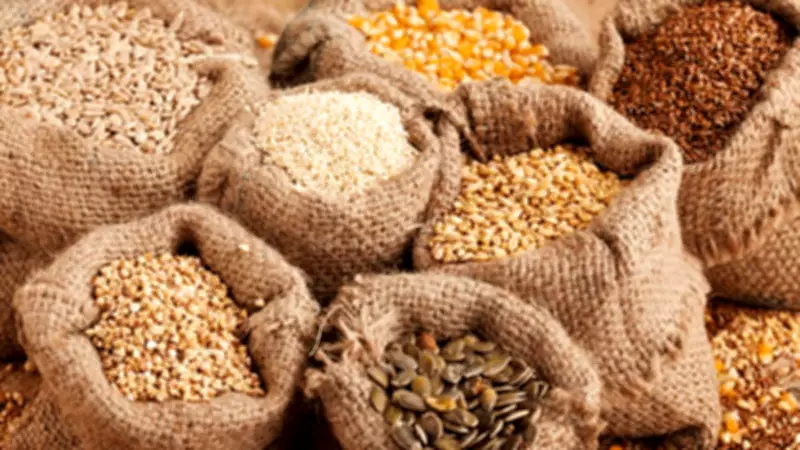
The summit aimed to address these challenges by developing a comprehensive five-year Seed Roadmap and Investment Plan aligned with Zimbabwe’s Vision 2030, the National Development Strategy 2 (NDS2), and the Agriculture, Food Systems and Rural Transformation Strategy. The roadmap prioritises strategic value chains critical to food security and economic growth, including maize, wheat, sorghum, finger millet, pearl millet, soybean, common beans, and groundnut.
The summit also showcased innovations and lessons from TAAT Compacts across the continent, such as climate-smart seed varieties, improved agronomic practices, integrated pest management technologies, and strengthened seed delivery systems.
Achievements in Zimbabwe
Zimbabwe has already recorded major gains across several commodities. Wheat production has increased significantly through irrigation expansion, improved seed systems, and climate-resilient varieties. Climate-smart maize technologies are helping farmers combat Fall Armyworm and improve productivity. Sorghum and millet value chains are receiving renewed attention due to their drought tolerance and nutritional importance. Bean, soybean, and groundnut interventions are improving nutrition, farmer incomes, and value chain development.
Summit Outcomes
Over three days, the summit brought together policymakers, researchers, seed companies, financial institutions, farmer organisations, women and youth groups, development agencies, universities, and international technical partners from across Africa. Discussions focused on seed policy and regulatory frameworks, variety development and seed production, quality assurance and certification, farmer awareness and access, investment mobilisation, public-private partnerships, and commodity-focused roadmap development.
The outcome was a nationally owned Seed Roadmap and Investment Plan to strengthen sustainable seed systems, increase access to climate-resilient seed varieties, and support Zimbabwe’s long-term agricultural transformation agenda. The summit underscored a broader vision of building resilient food systems, empowering farmers, strengthening partnerships, and securing the future of agriculture in Zimbabwe and across Africa.