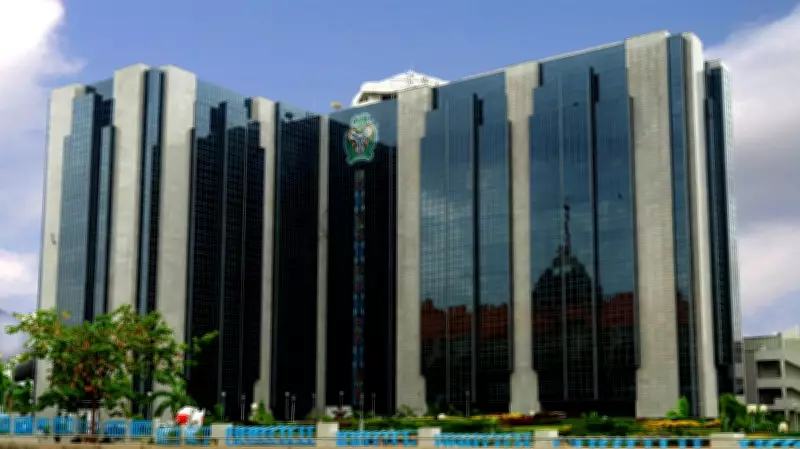
Nigerian Banks Secure ₦2.5 Trillion in Major Recapitalisation Effort
Nigeria's banking sector has successfully raised close to ₦2.5 trillion as part of the ongoing recapitalisation exercise, with 25 out of 38 commercial, merchant, and non-interest banks achieving the new capital requirements well ahead of the March 2026 deadline. This significant development was revealed during the 2026 Economic Roundtable organized by Agusto & Co, where regulators, financial executives, and policymakers gathered to evaluate the broader economic implications of this transformative reform.
From Capital Raising to Strategic Deployment
Participants at the forum emphasized that the focus is now shifting decisively from the initial capital raising phase to the effective deployment of these substantial funds. They stressed that the ultimate success of this recapitalisation drive will hinge entirely on how efficiently and strategically these resources are channeled into productive sectors of the economy. This reform, described as one of the most significant in nearly two decades, aims to fortify banks' balance sheets against persistent inflationary pressures and exchange rate volatility, which have significantly eroded capital buffers in recent years.
Furthermore, the recapitalisation is expected to better position the banking sector to support Nigeria's ambitious long-term growth objectives, including the nation's aspiration to build a $1 trillion economy. Despite this remarkable progress, stakeholders at the roundtable highlighted that Nigeria continues to grapple with a substantial financial intermediation gap. Domestic credit to the private sector remains notably low compared to peer economies, with loans currently constituting only about one-third of total banking assets.
Addressing the Lending Gap and Sectoral Priorities
Experts warned that banks will face mounting pressure to enhance lending to the real sector, as reliance on government securities may no longer be sufficient to sustain profitability under the newly expanded capital bases. Discussions prominently identified Micro, Small, and Medium Enterprises (MSMEs) and infrastructure financing as critical priority areas for capital deployment. MSMEs, which represent approximately 97% of businesses and contribute nearly half of Nigeria's Gross Domestic Product, continue to suffer from severely limited access to credit, facing an estimated financing gap of ₦13 trillion.
Stakeholders underscored the urgent need for targeted interventions, including:
- Credit guarantees and de-risking instruments
- Strategic fintech partnerships
- Innovative financing models
These measures are deemed essential to improve funding access, particularly for women-led businesses and agribusinesses. Additionally, Nigeria's substantial infrastructure deficit was highlighted as a major constraint on economic growth. While recapitalisation enhances banks' capacity for large-ticket transactions, long-term infrastructure financing remains exposed to macroeconomic risks and structural challenges. Proposals such as infrastructure credit guarantee platforms were identified as potential solutions to improve risk-sharing and attract much-needed investment into this vital sector.
Measuring Success Through Productive Investment
In his keynote address, Matthew Verghis, Country Director of the World Bank in Nigeria, stated that the effectiveness of the recapitalisation exercise will ultimately be measured by how effectively financial resources are directed into productive investments. He noted that as Nigeria transitions from economic stabilisation to a growth phase, stronger financial intermediation will be absolutely critical to translating policy reforms into tangible, measurable development outcomes.
Stakeholders concluded that while the recapitalisation exercise is nearing its completion phase, its long-term impact will depend fundamentally on whether it delivers broader, more inclusive economic growth through improved access to finance and increased investment in key productive sectors. The collective sentiment emphasized that the true test begins now, with strategic deployment determining the reform's legacy for Nigeria's economic future.