
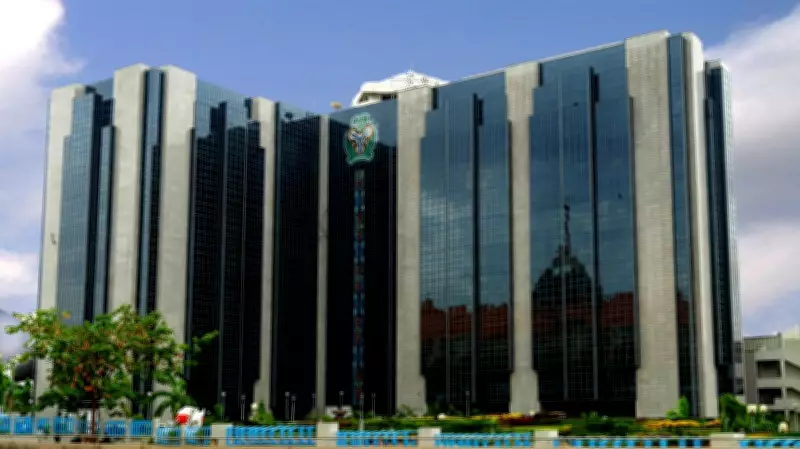
CBN Mandates IMTOs to Pay Remittances via Naira Accounts for Enhanced Transparency
The Central Bank of Nigeria (CBN) has issued a directive requiring all international money transfer operators (IMTOs) to process remittances through naira settlement accounts held with authorised dealer banks (ADBs). This move, announced on March 26, 2026, reinforces a policy initially established in 2024 and aims to boost market confidence and operational clarity in Nigeria's foreign exchange system.
New Guidelines for Remittance Settlements
Under the new guidelines, IMTOs are instructed to designate existing accounts or open new ones with ADBs, with the flexibility to operate multiple accounts across different banks. These settlement accounts must be used exclusively for remittance inflows and proceeds from foreign exchange conversions conducted by licensed IMTOs or their agents with authorised participants in the Nigerian Foreign Exchange Market.
The directive, signed by Musa Nakorji, Director of the Trade and Exchange Department, applies to all disbursements to beneficiaries and related settlements from international money transfer operations. It takes effect on May 1, 2026, giving operators time to adjust their processes accordingly.
Real-Time Exchange Rates for Pricing Transparency
To further enhance transparency, the CBN has mandated that IMTOs price transactions using real-time rates from Bloomberg BMATCH. This requirement is expected to strengthen price discovery mechanisms, reduce information gaps between IMTOs and banks, and support increased activity in the official foreign exchange market.
Authorised dealer banks are permitted to process foreign currency transfers from IMTO settlement accounts to other ADBs and approved market participants, including licensed bureau de change (BDC) operators. This facilitates smoother transactions and broader market participation.
Compliance and Record-Keeping Requirements
The CBN also emphasized the importance of regulatory compliance, directing IMTOs to maintain proper transaction records for review. Operators must ensure adherence to anti-money laundering, counter-terrorism financing, and counter-proliferation financing rules to safeguard the integrity of the financial system.
This directive underscores the CBN's commitment to fostering a more transparent and efficient remittance environment, which could potentially boost investor confidence and streamline cross-border financial flows into Nigeria.




