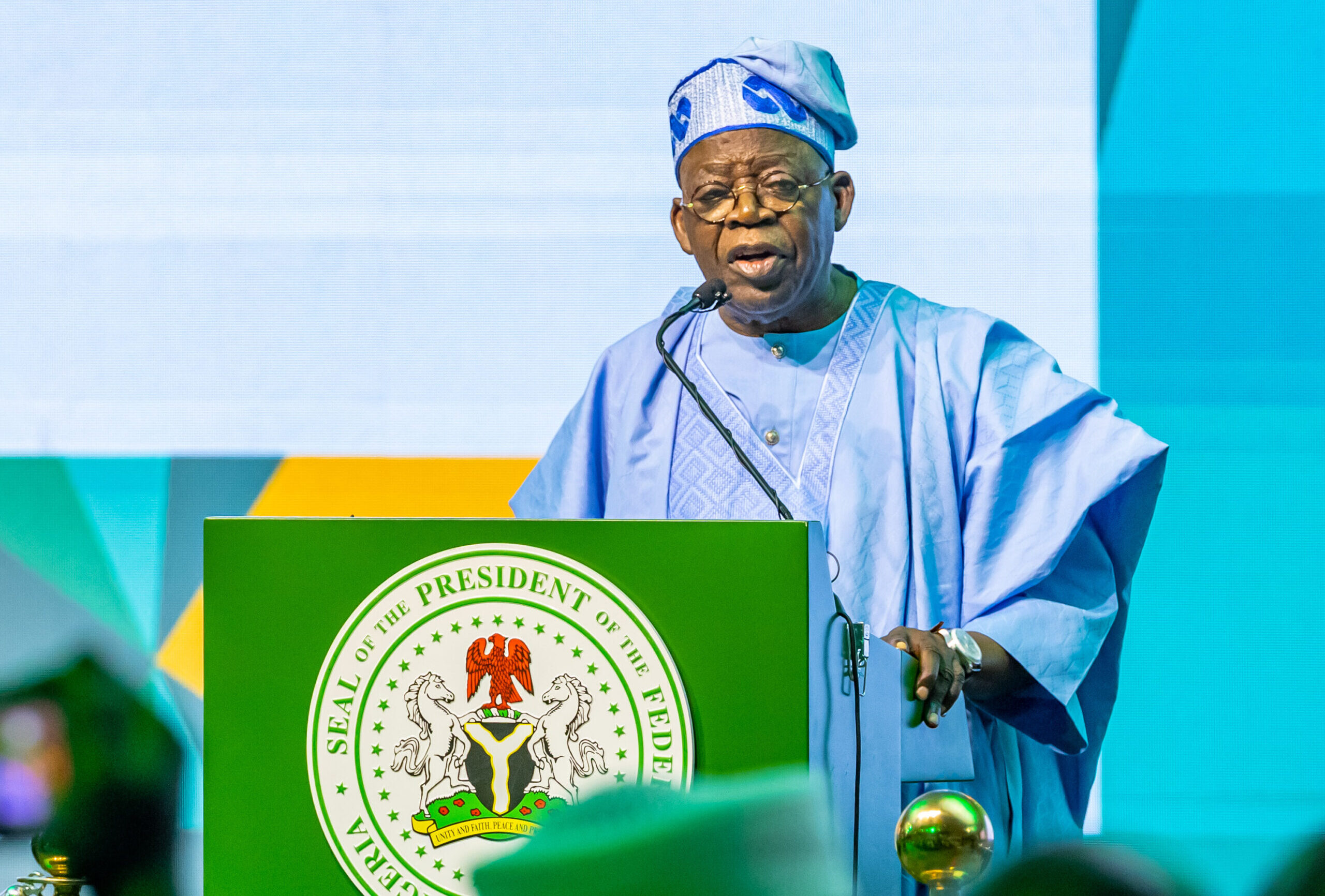
Tinubu unveils $3.05bn poverty reduction programmes
President Tinubu launches $3.05bn initiatives to reduce poverty and boost human capital, targeting health, education, and social protection for millions of Nigerians.

President Tinubu launches $3.05bn initiatives to reduce poverty and boost human capital, targeting health, education, and social protection for millions of Nigerians.

At a conference in Abuja, labour leaders, economists, and civil society groups declared Nigeria's market-driven economic model a failure, calling for a developmental state model with state intervention and social protection.
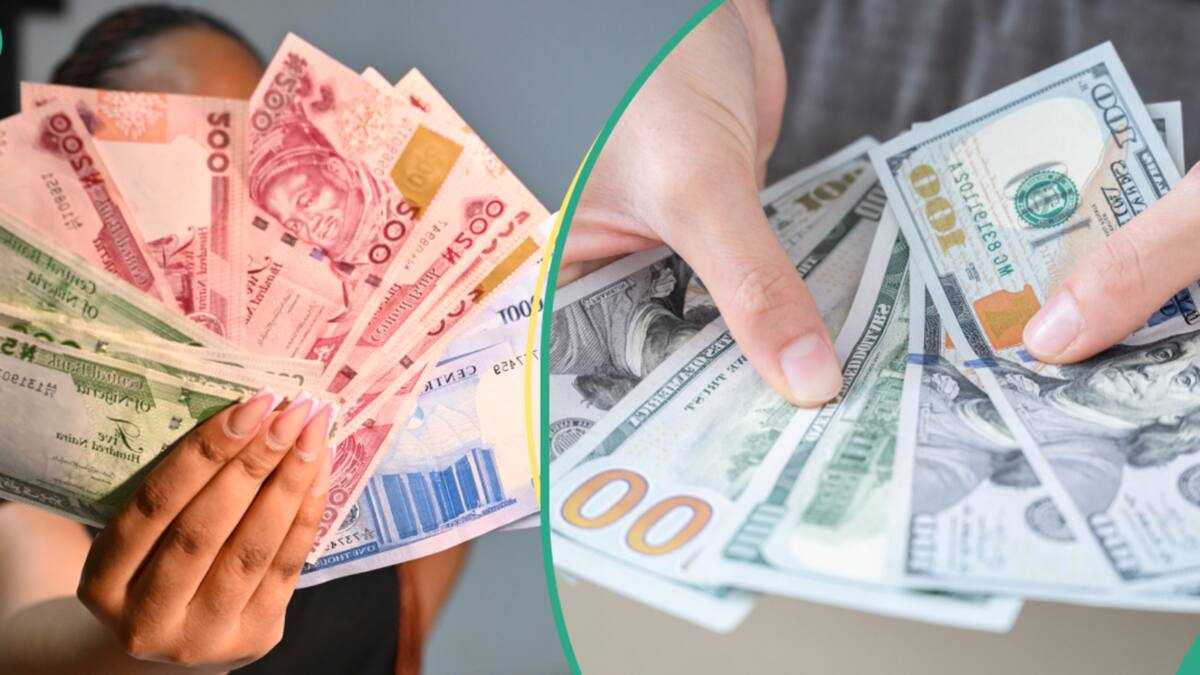
The Nigerian naira gained against the US dollar to N1,382.18/$1 in the official market as CBN data shows improved liquidity and reduced corporate demand, though FX turnover fell 50% to $121.73 million.

President Tinubu says Nigeria's economy is making serious foundational progress despite the difficulty of reforms, comparing them to taking bitter medicine that is working well.

Dangote Refinery refutes claims that its new dollar-denominated sales policy caused recent petrol price increases, stating no marketer has completed a dollar transaction yet.
Nigeria's foreign reserves hit $51.86 billion in July 2026, the highest level since 2009, driven by oil revenues and diaspora remittances.
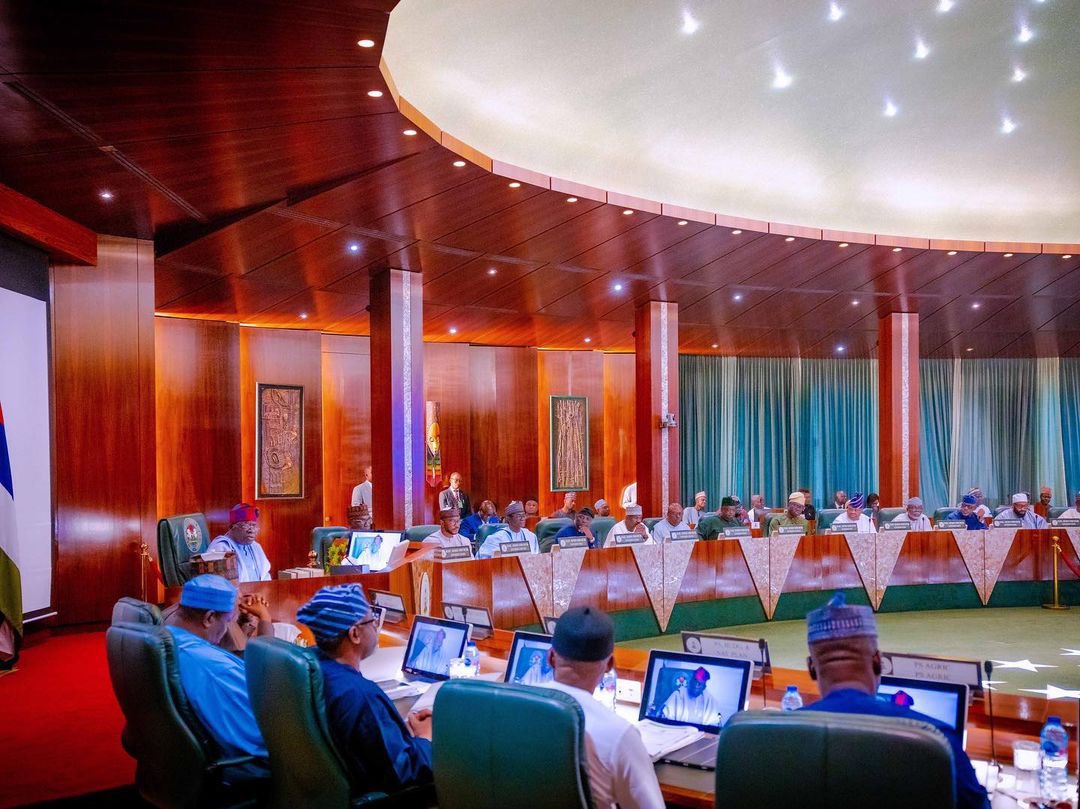
The Federation Account Allocation Committee distributed N2.55 trillion to federal, state, and local governments in June 2026, as gross revenue rose 32.6% to N4.5 trillion, according to a communiqué issued after the FAAC meeting.

Canada is recruiting for dozens of federal positions with salaries up to C$224,198 per year. Roles span healthcare, border services, and more. Eligibility varies by position.

Rwanda grants visa-on-arrival to all nationalities. Nigerians, as AU and Commonwealth members, get free 30-day visitor visas at the border without prior application.
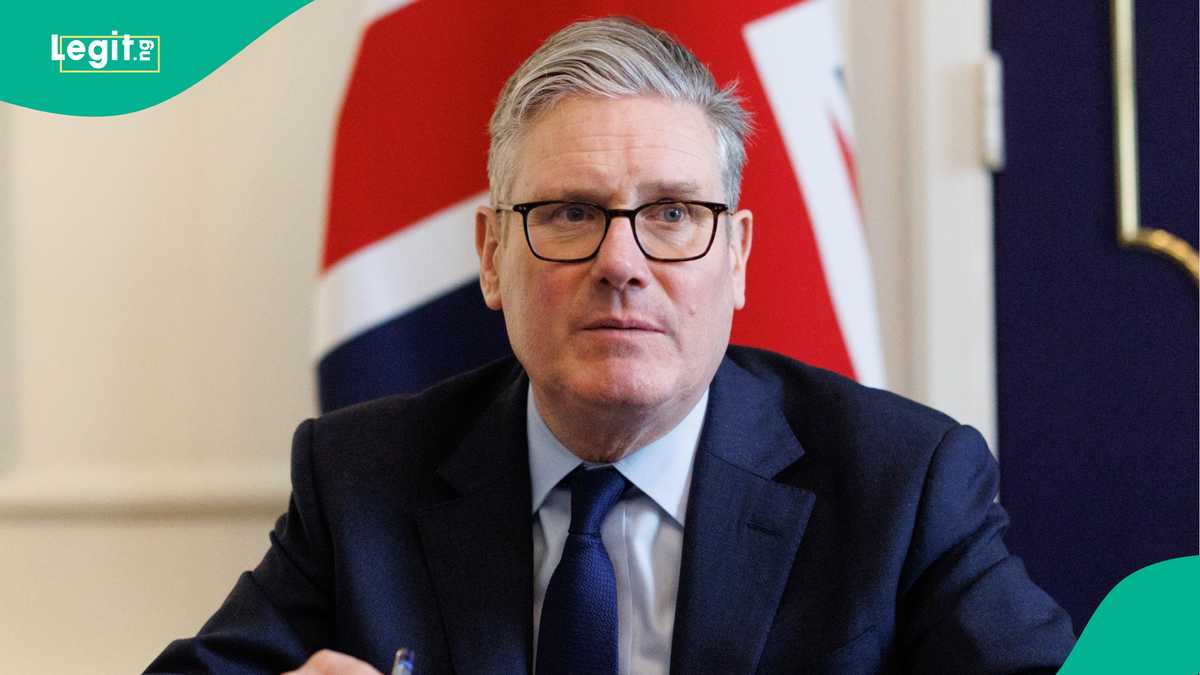
The UK allows visa-free visits for up to six months for citizens of the US, Canada, Australia, Japan, Gulf states, and most European nations; Irish citizens need neither visa nor ETA.

The US dollar weakened after inflation data eased, reducing rate hike expectations, while Nigeria's naira depreciated despite the dollar's weakness, closing at N1,382 per dollar.
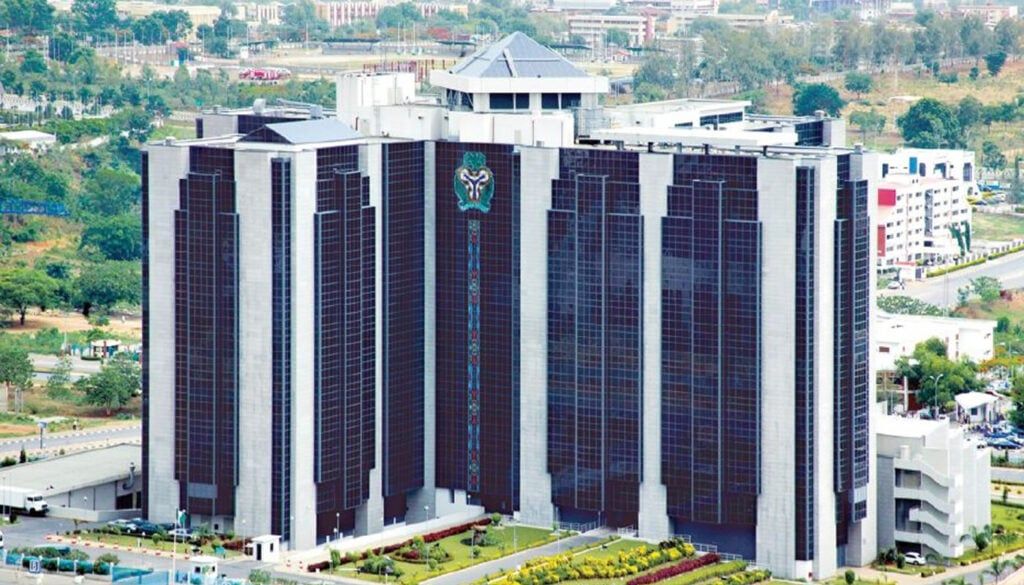
The Central Bank of Nigeria aims to raise N600 billion through a treasury bills auction today, offering instruments across 91-day, 182-day, and 364-day tenors to manage liquidity and fund government needs.

Former Senator Ishaku Abbo claims each Nigerian senator now receives over ₦2 billion annually for constituency projects, contrasting with ₦220 million during his tenure.

Dipo Baruwa argues that Nigeria's fiscal federalism must realign incentives to link revenue to production, not just redistribution, to drive development across all tiers of government.

As Nigeria's MPC prepares to meet, economists are split on whether to hold or cut the benchmark interest rate, citing inflation risks and growth concerns.

Nigerian businesses maintained a positive outlook in June 2026, with the Business Confidence Index at 7.2 points, despite high taxes, insecurity, and interest rates as top constraints, according to the CBN.
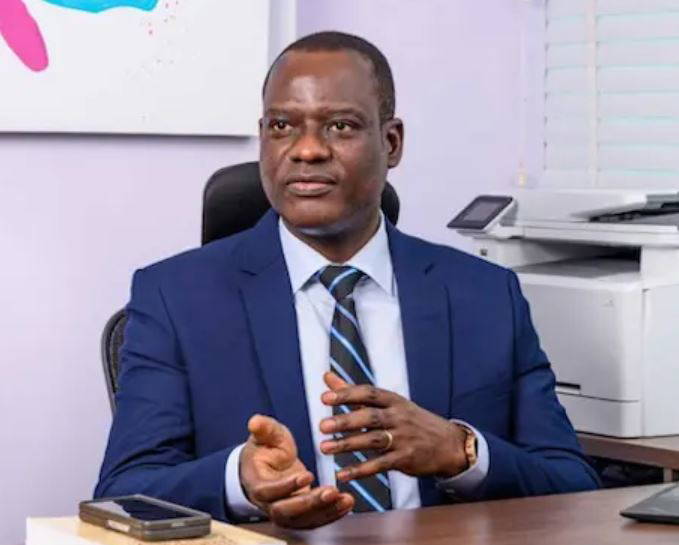
The Nigerian government has inaugurated a Ministerial Advisory Committee to drive economic reforms, aiming to enhance policy coordination and boost investor confidence.

Dangote Refinery has suspended naira-based fuel sales, shifting to dollar-denominated pricing. PMS now $0.779/litre, impacting marketers and pump prices.

Nigeria lost N34 trillion (61% of the 2025 budget) to import duty waivers in 2025, according to Customs Comptroller-General Bashir Adewale Adeniyi, who revealed that IDEC approvals reached N34 trillion.
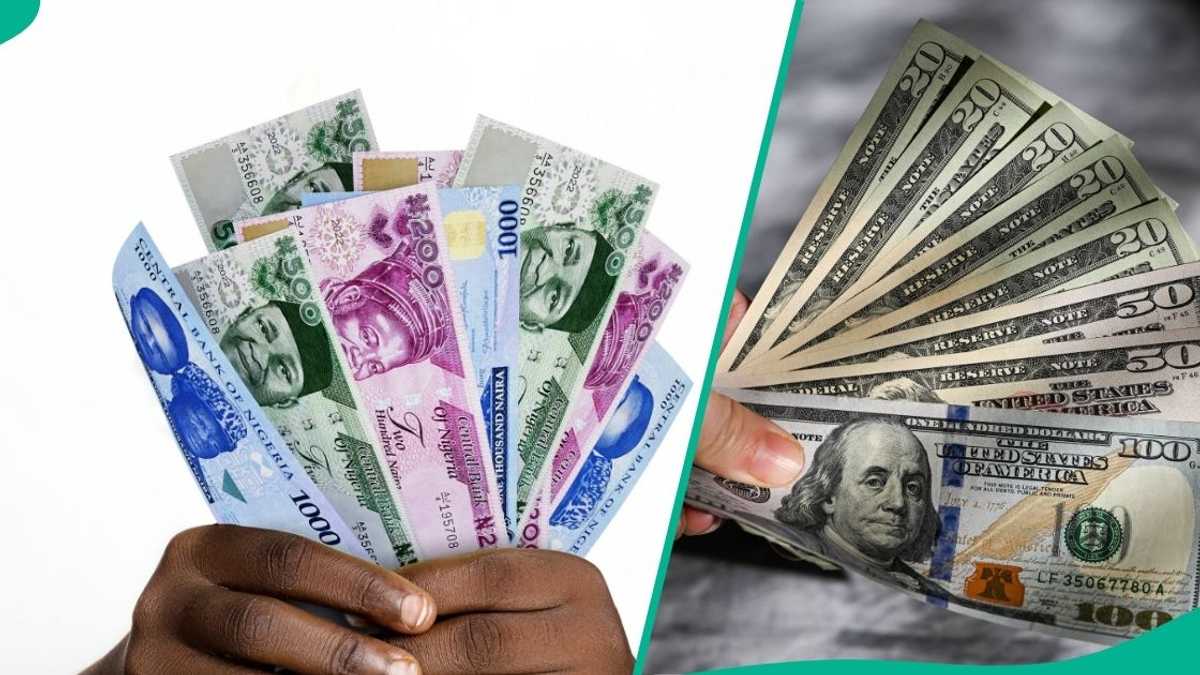
The naira remained stable at N1,379.6504 per dollar on July 13, 2026, supported by $970 million in weekly FX inflows, despite global dollar strength and rising geopolitical tensions.
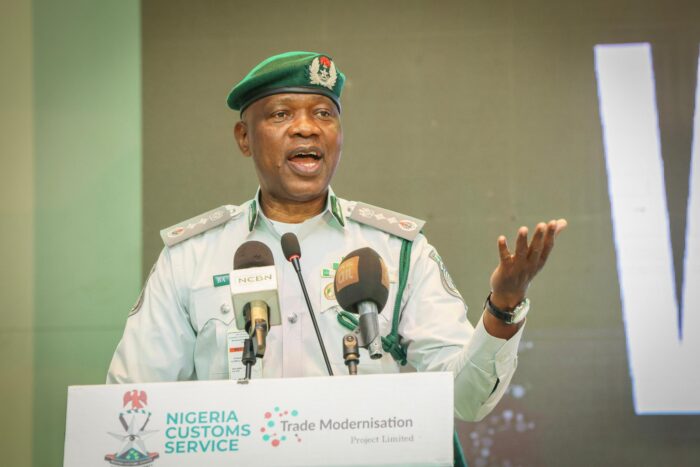
Nigeria's import duty waivers surged to N34 trillion in 2025, according to the Nigeria Customs Service, marking a significant increase from previous years.
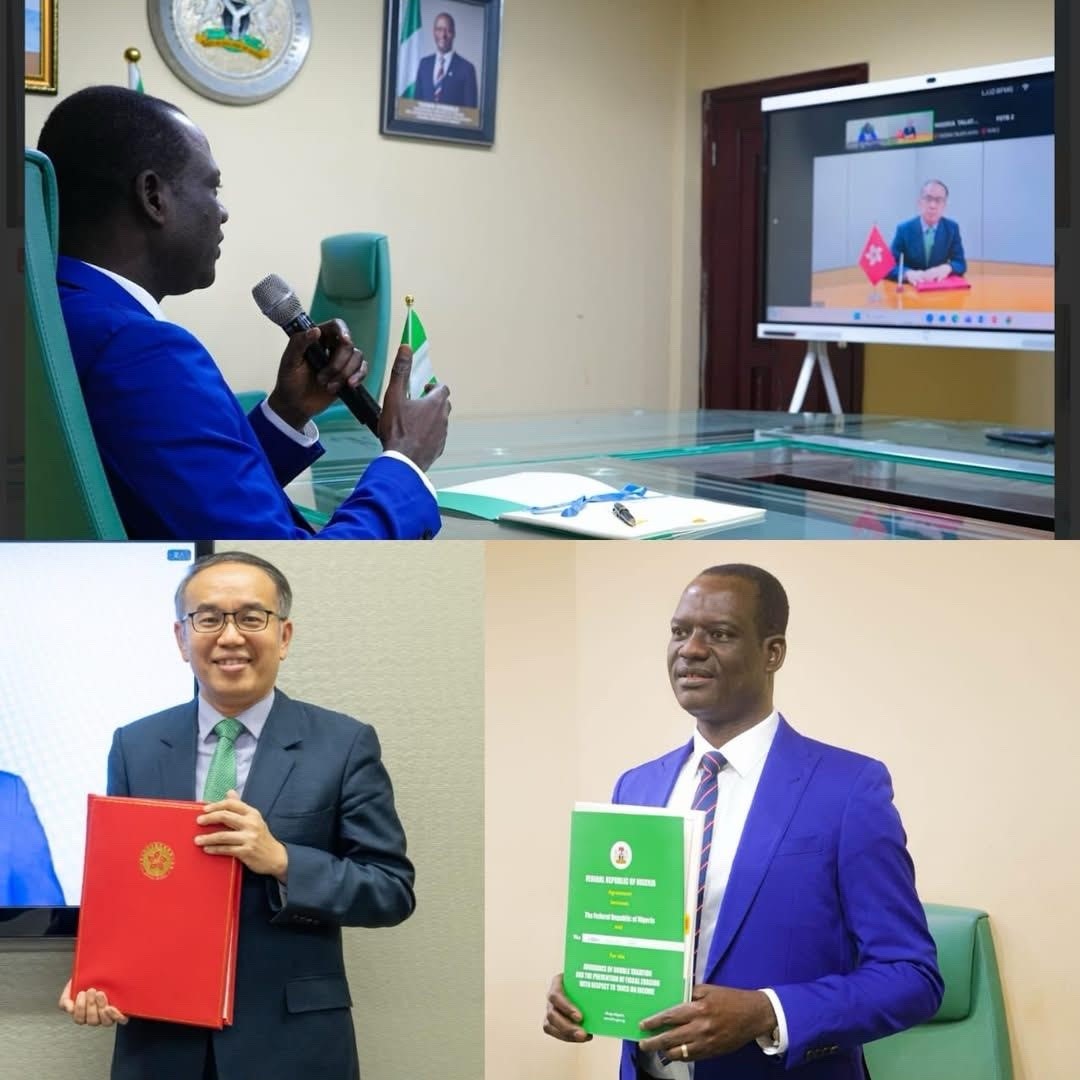
Nigeria and Hong Kong signed a double taxation agreement to eliminate double taxation, enhance trade, and prevent tax evasion, effective January 1, 2026.
A CBN survey reveals business confidence declined in June 2026 as rising operational costs and inflationary pressures weighed on firms across Nigeria.

Dangote Refinery stops naira fuel sales, adopting dollar pricing at $0.779/litre for petrol, raising concerns over price hikes and economic impact on Nigerians.
NGX equities lost N1.32 trillion in market capitalisation as investors sold off industrial goods, banking, and consumer stocks. The All-Share Index fell by 2,467 basis points to close at 98,456.72.

The FMDQ projects that OMO maturities this week will inject N3.12 trillion into Nigeria's financial system, boosting liquidity and potentially easing interbank rates.
Nigeria's overnight funding market reached N97.45 trillion in June 2026, the highest since launch, driven by tight liquidity and high interest rates.

Prices of FMCGs in Nigeria surged up to 66.7%, with Cowbell Vitarich leading increases, while some seasonings and cereals dropped. Mixed trends persist despite stable economic indicators.

The Federal Government borrowed a net N7.6 trillion from domestic debt market in H1 2026 through Treasury bills and FGN bonds, with yields rising amid strong investor demand.
Standard Chartered forecasts Nigeria's Monetary Policy Rate will end 2026 at 25%, citing inflation deceleration and a shift to growth focus by the CBN.