
Nigerian Banks Cut Loans by N5.45 Trillion in 2025
Nigerian banks reduced credit to eight major sectors by N5.45 trillion in 2025 after the CBN ended regulatory forbearance, with manufacturing hit hardest.

Nigerian banks reduced credit to eight major sectors by N5.45 trillion in 2025 after the CBN ended regulatory forbearance, with manufacturing hit hardest.
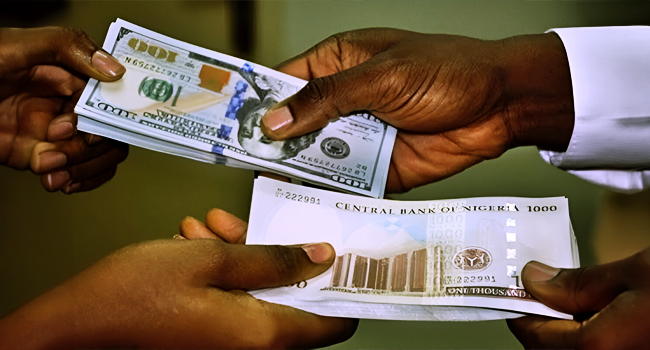
The Nigerian naira shows signs of improvement against the US dollar, with analysts citing increased FX inflows and CBN interventions, despite global dollar strength.

NNPC retail outlets cut petrol prices to N1,110/litre from N1,170, following Dangote Refinery and independent marketers' reductions, offering relief to Nigerian motorists.

The PFIPC scandal reveals systemic failures in Nigeria's budget, appointment, and banking systems, allowing a forged agency to secure nearly ₦1.3 billion in the 2026 budget and operate for over a year.
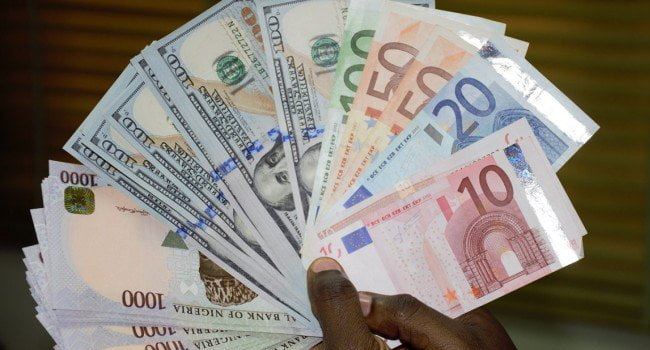
Nigeria's FX market turnover plunged 46.57% week-on-week to $1.63 billion in the second week of July, reflecting reduced liquidity and demand pressures in the foreign exchange market.
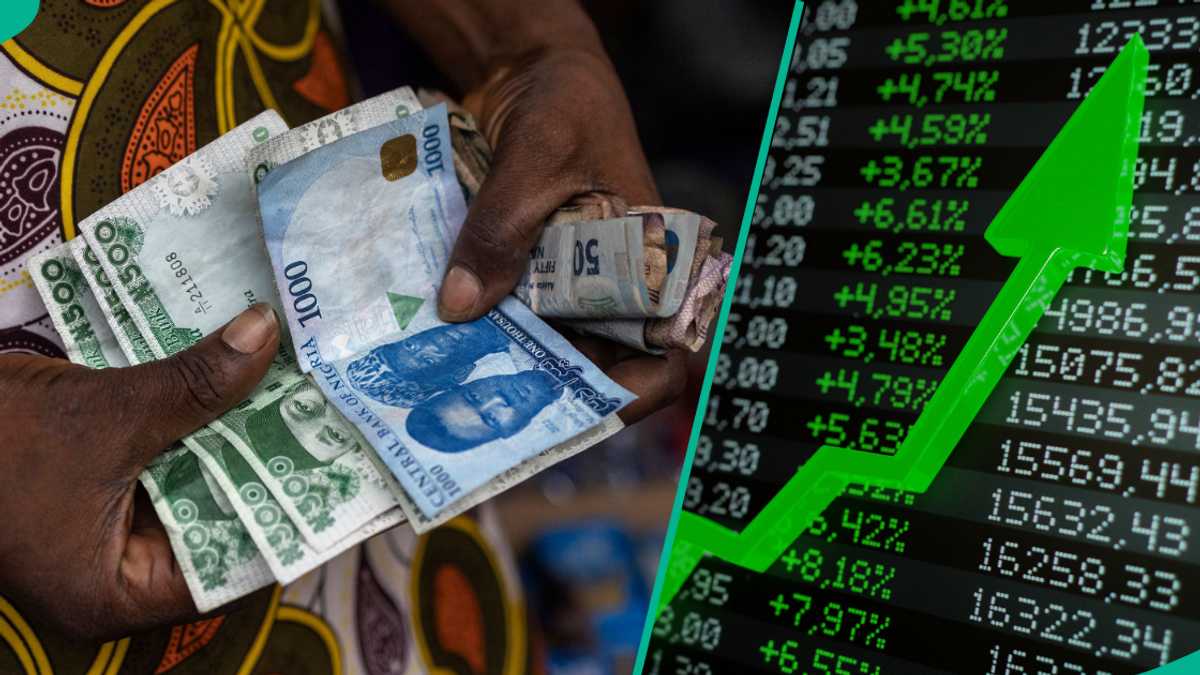
The Nigerian Exchange All-Share Index rose 6.35% to 243,798.76 points in a week driven by banking stocks, with 60 gainers versus 28 losers and financial services dominating 79.48% of trading volume.

Canada's IRCC has released a 2026 list of 94 priority occupations across 10 categories for Express Entry permanent residence, with eased eligibility requiring 12 months of non-continuous work experience within the last 3 years.

The naira fell to N1,379.62 per dollar in the official market, a 0.09% decline. It also weakened against the pound but gained against the euro. Parallel market dollar sold at N1,427.

Reno Omokri presents 12 economic indicators urging investors to prioritize Nigeria, citing FDI highs, reserve records, and international endorsements under President Tinubu.

Ford rehired over 300 veteran quality inspectors after AI systems failed to match human expertise in vehicle production, leading to a return to the top of the JD Power quality study for the first time since 2010.
The Nigerian naira depreciated to N1,381 per US dollar on Friday, while foreign exchange reserves reached a record $51.7 billion, according to central bank data.
The Nigerian naira depreciated to N1576 per euro in the official market on July 11, 2026, despite robust external reserves of $42.5 billion, according to FMDQ data.

Nigeria's six fastest-growing sectors employ only 2.7% of the workforce, according to CardinalStone, highlighting a disconnect between GDP growth and job creation.
Nigeria's health reforms under President Tinubu are attracting $5 billion in investments, expanding manufacturing, and building human capital, contributing to long-term economic growth beyond better health outcomes.

Credicorp and NGGCL have signed a N75 billion risk-sharing agreement to expand consumer credit access for Nigerians, targeting low-income earners and underserved communities.
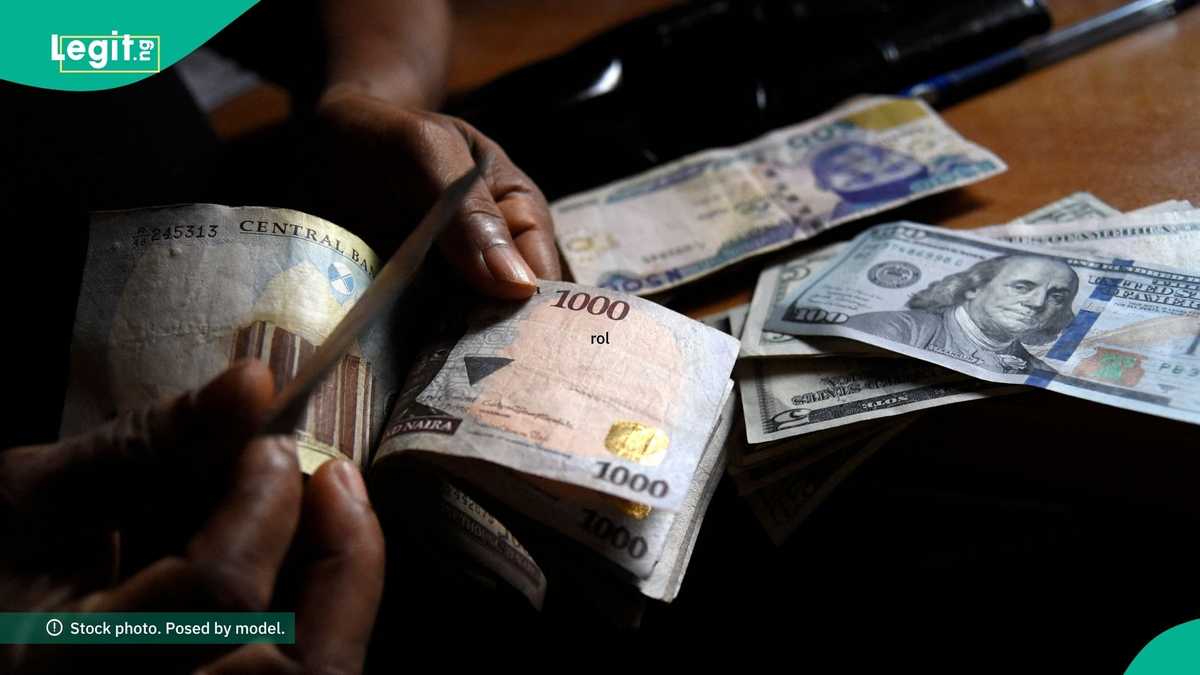
The naira fell to N1,425 per dollar in the parallel market on July 9, 2026, widening the gap with the official rate of N1,378.43 to N46, as seasonal demand for dollars from education, travel, and medical trips pressures the currency despite $51 billion ex

These 10 stocks on the Nigerian Exchange are trading at a massive discount to their 52-week highs, offering potential value for investors.

Nigeria's foreign exchange market recorded $46.37 billion in total turnover between March and June 2026, with the naira closing at N1,379.68 per dollar, according to CBN data.

Filling stations across Nigeria temporarily shut on July 9, 2026, amid rising global crude oil prices and speculation of petrol price hikes, though PETROAN denies closures are due to price speculation.

Omar Erika, a Nigerian who left the UK in 2024, discovered a £1,599.08 tax refund from HMRC that had been unclaimed since June 2025, prompting her to urge others to check their accounts.

Presidential aide Daniel Bwala argues Nigerians earning £2,600-£2,800 monthly in the UK may be worse off than those earning N60,000 in Nigeria due to high living costs and lack of social support.

The IMF has left Nigeria's growth projections unchanged at 4.1% for 2026 and 4.3% for 2027, citing improved macroeconomic stability and oil exports, but warns that rising prices for essentials could worsen poverty and food insecurity.

US updates visa application rules; Nigeria Immigration Service ends third-party OIS Services. Applicants now submit directly to Nigerian missions. 124 Nigerians named for deportation.
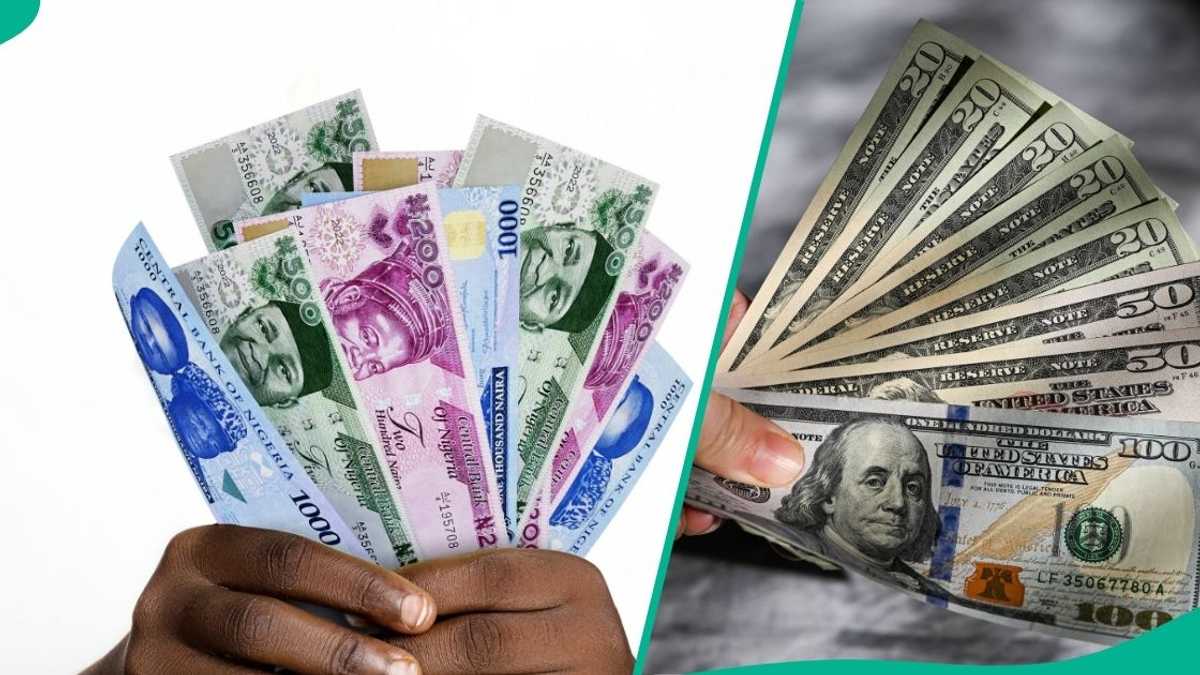
The naira appreciated to N1,370 per dollar at the official market, while the parallel market traded at N1,390, narrowing the gap to N20 as external reserves hit $51.46 billion.
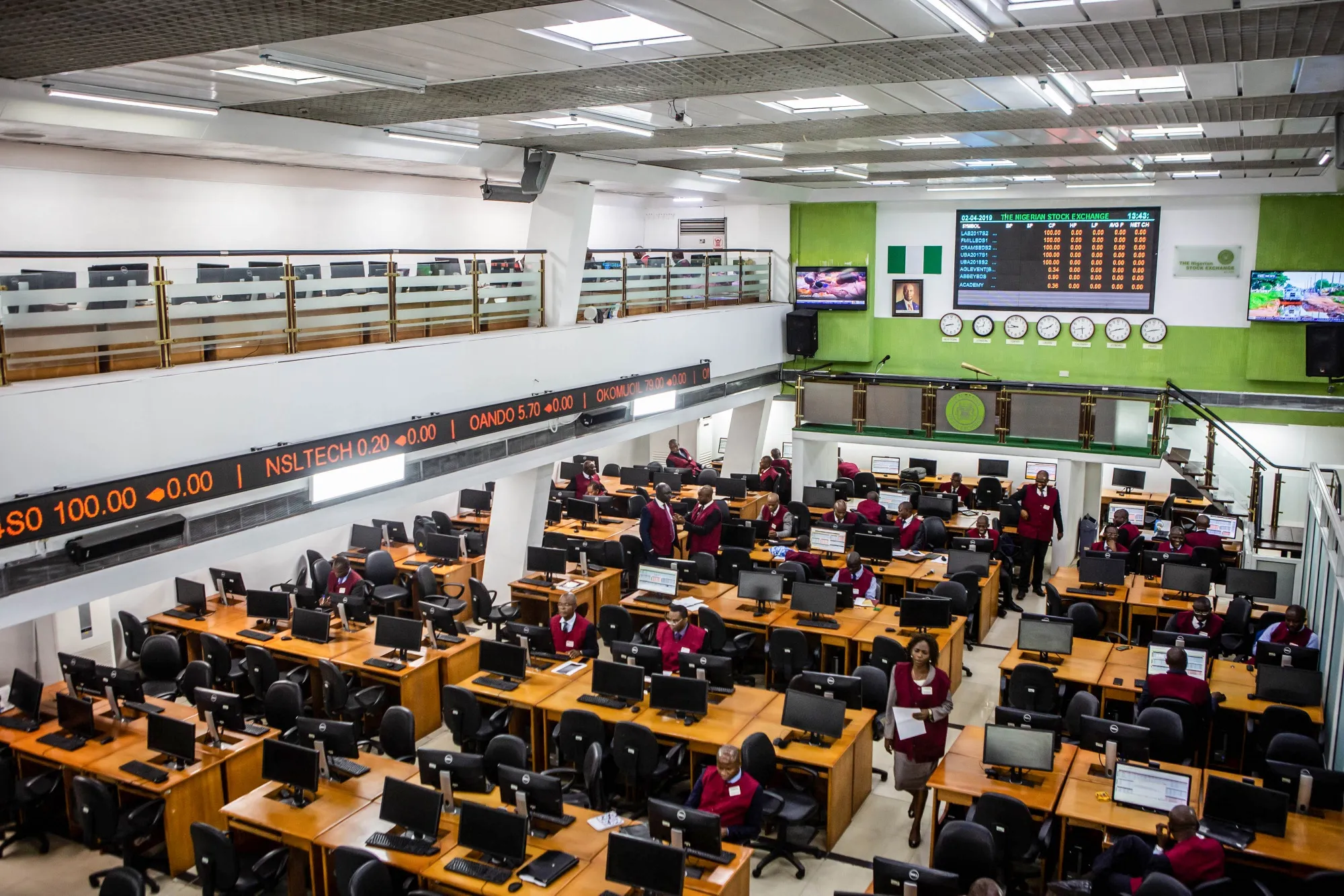
Nigerian equities have overtaken South Korea to become the world's top-performing stock market in dollar terms, driven by currency reforms and investor confidence.
The naira fell to N1,379.07 per dollar in the official market and N1,400 in the parallel market on July 8, 2026, amid sustained demand for foreign currency.
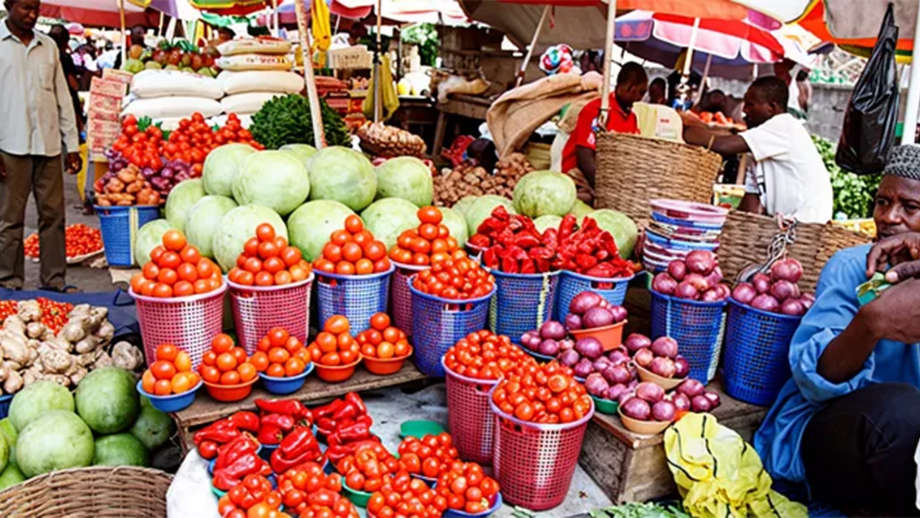
The IMF kept Nigeria's 2026 growth forecast at 4.1% but warned higher essential goods prices could worsen poverty and food insecurity, citing improved macroeconomic stability.
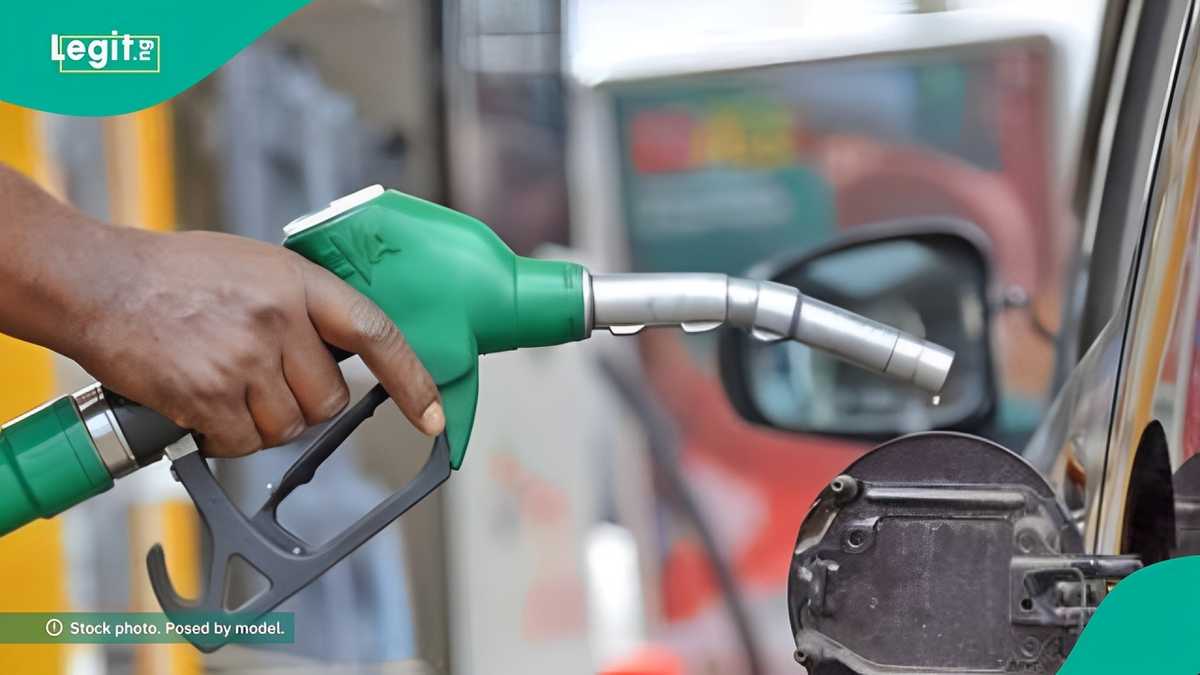
Global crude oil prices surged over 3% after US-Iran hostilities, pushing Brent to $76.48. Nigerian filling stations adjust pump prices upward as depot costs rise, ending recent reductions.

Larry Page tops the list of richest Jews in the world with $306 billion in 2026, followed by Sergey Brin. The list includes tech moguls, hedge fund managers, and philanthropists.
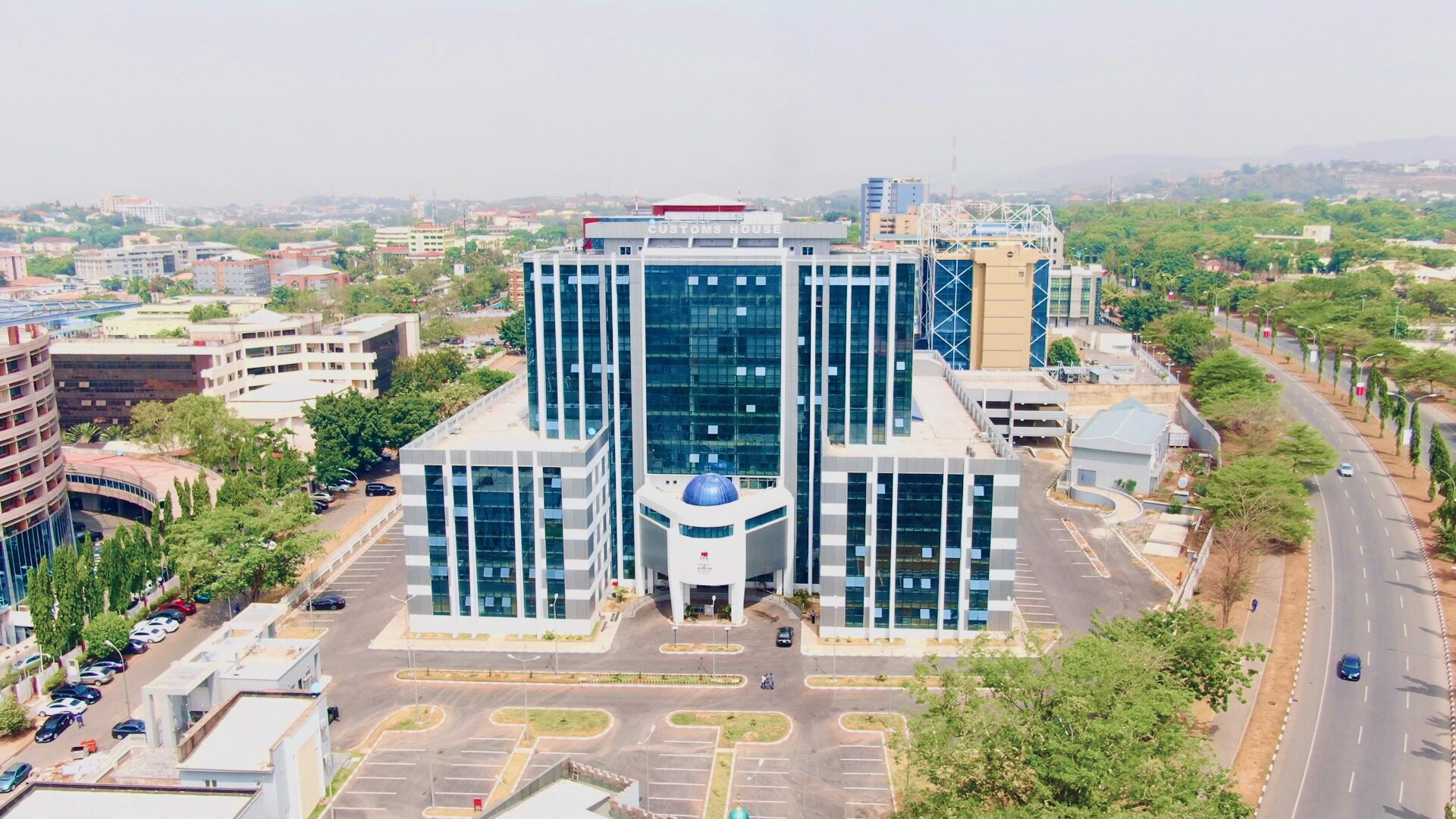
Nigeria reduces import duty on used vehicles from 15% to 5% and new vehicles from 20% to 10% under 2026 fiscal measures, as announced by Customs CG Adewale Adeniyi.