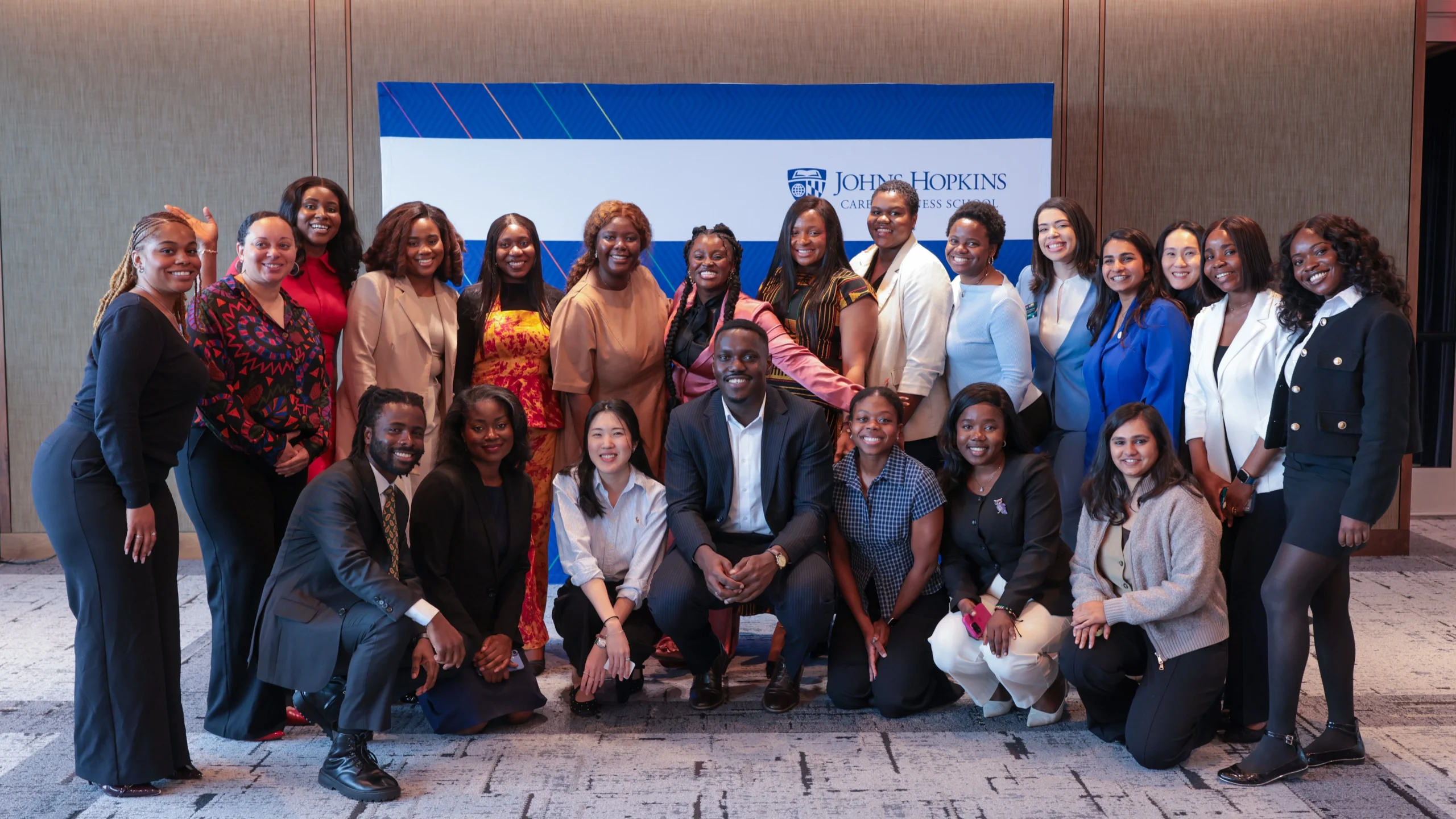
Johns Hopkins Conference Ties Africa's Future to Infrastructure
Global leaders at Johns Hopkins conference discuss Africa's role in global infrastructure battles, AI's physical footprint, and sustainable business models.

Global leaders at Johns Hopkins conference discuss Africa's role in global infrastructure battles, AI's physical footprint, and sustainable business models.

A Nigerian student chose a solar generator over a wig, powering her freezer and fan. She shared the cost and benefits on TikTok.

Lagos State Government signs Power Purchase Agreement with three firms to boost electricity from 60MW to 400MW, revive dormant plants, and power public institutions.

Lagos State signs PPAs with three IPPs to boost electricity generation, aiming for 200-400MW capacity within three years.
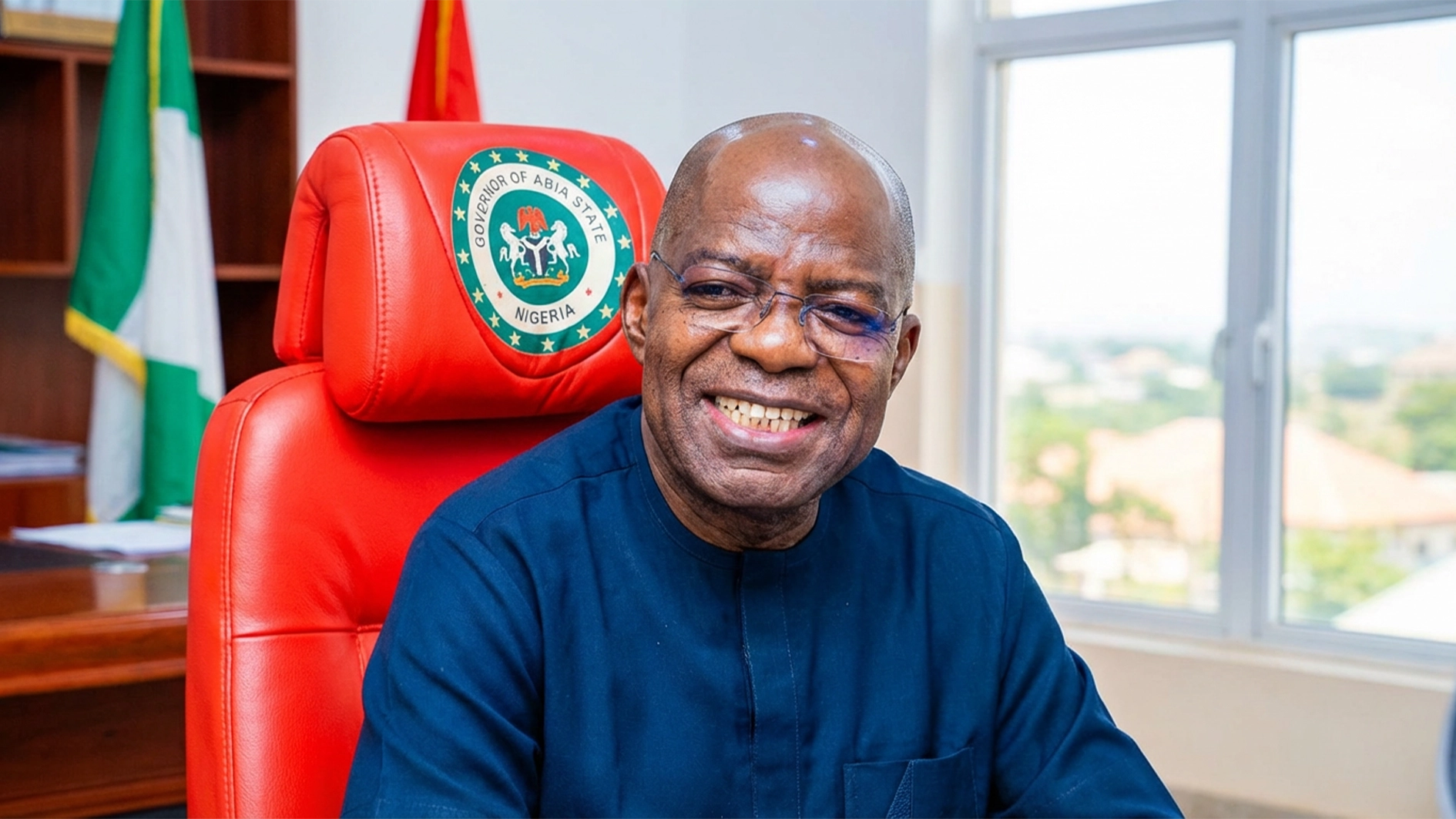
Abia State grants interim electricity generation and distribution licences to three firms, transitioning to a regulated intra-state electricity market under ASERA.
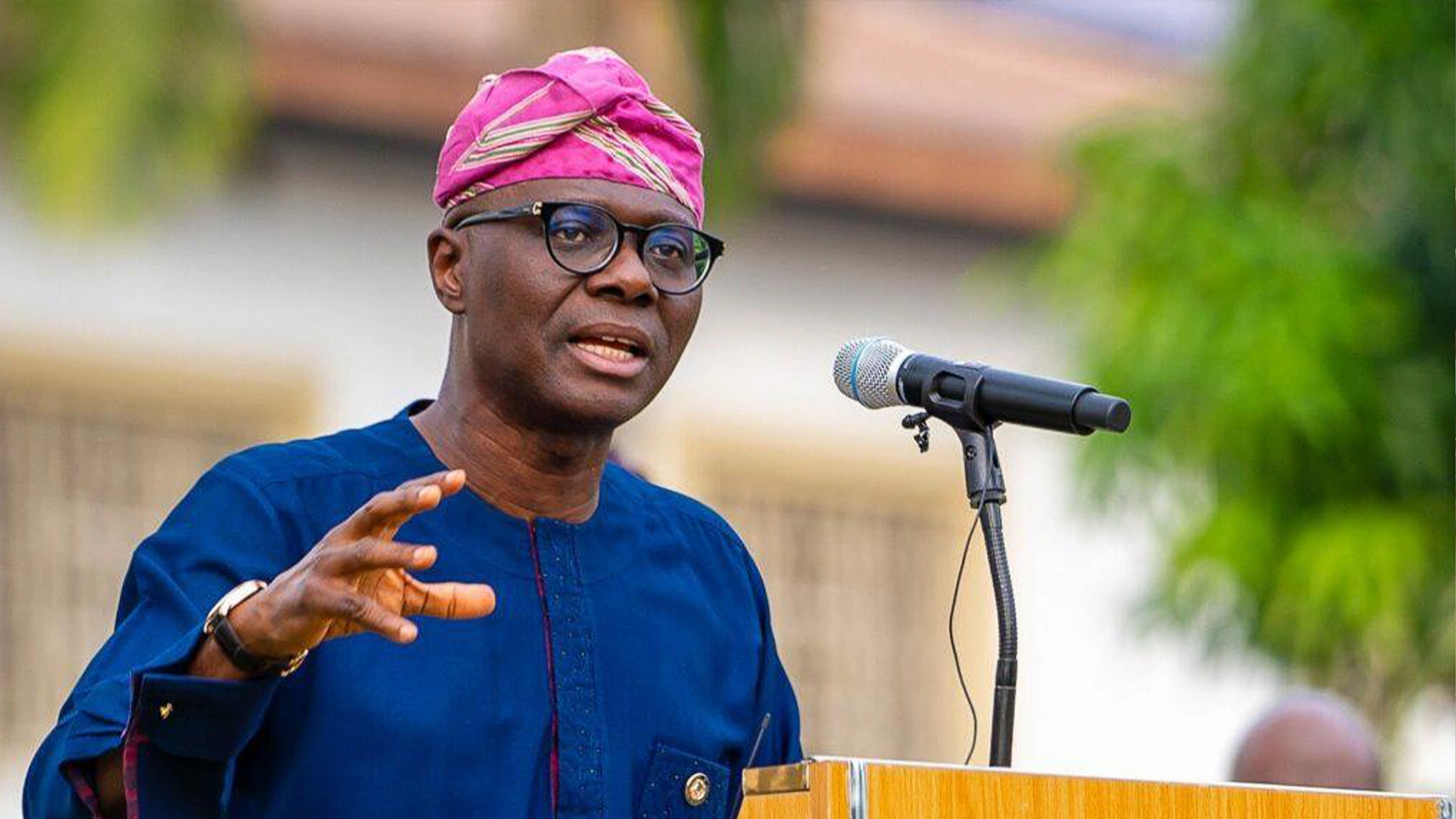
With 416 days left in office, Lagos Governor Sanwo-Olu has not mentioned the long-awaited Fourth Mainland Bridge in recent project lists, raising doubts about its commencement before his exit.
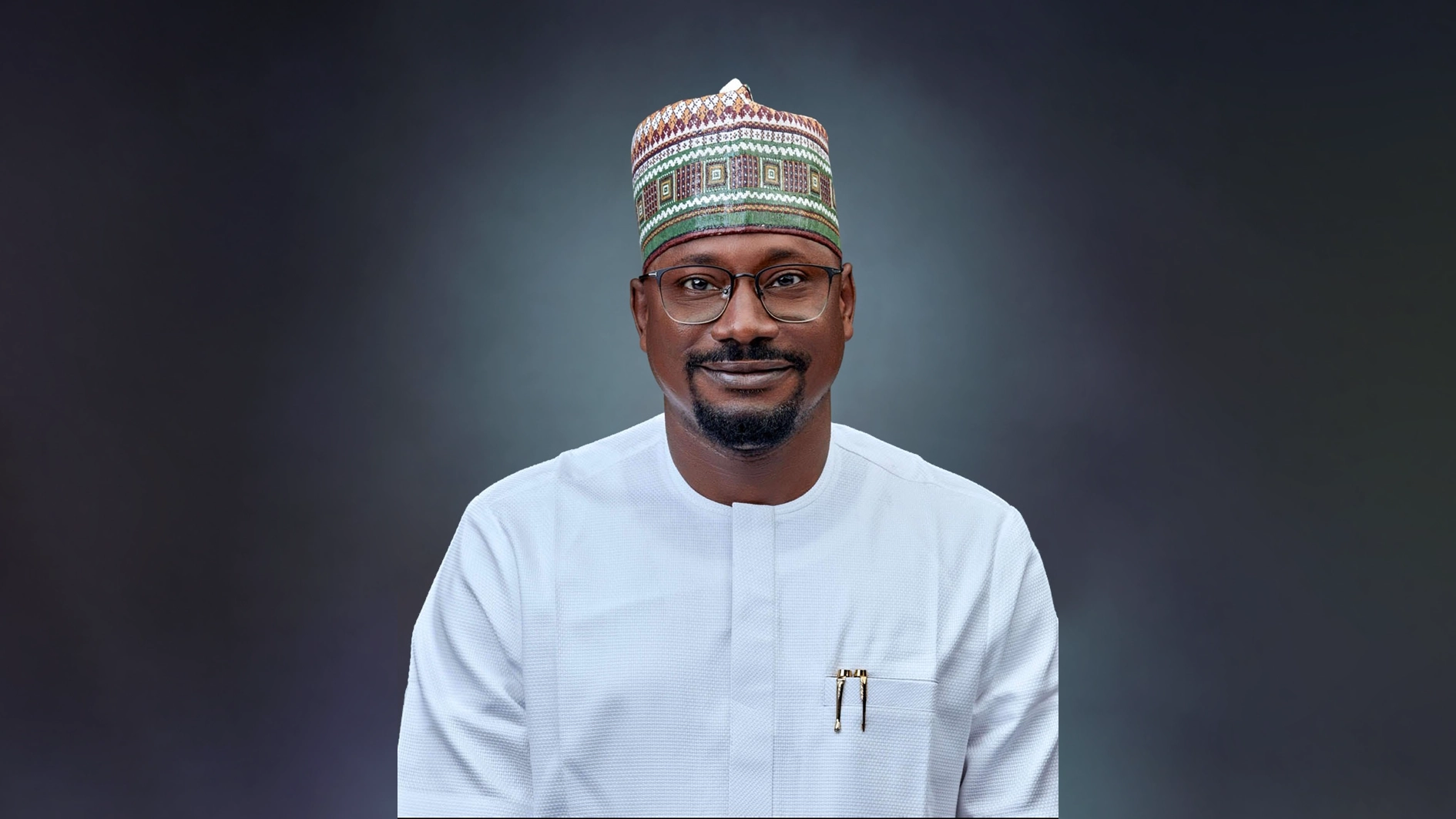
REA MD Abba Aliyu says interconnected mini-grids increase customer connections by over 95% and boost productive energy use, emphasizing collaboration for sustainable electrification.
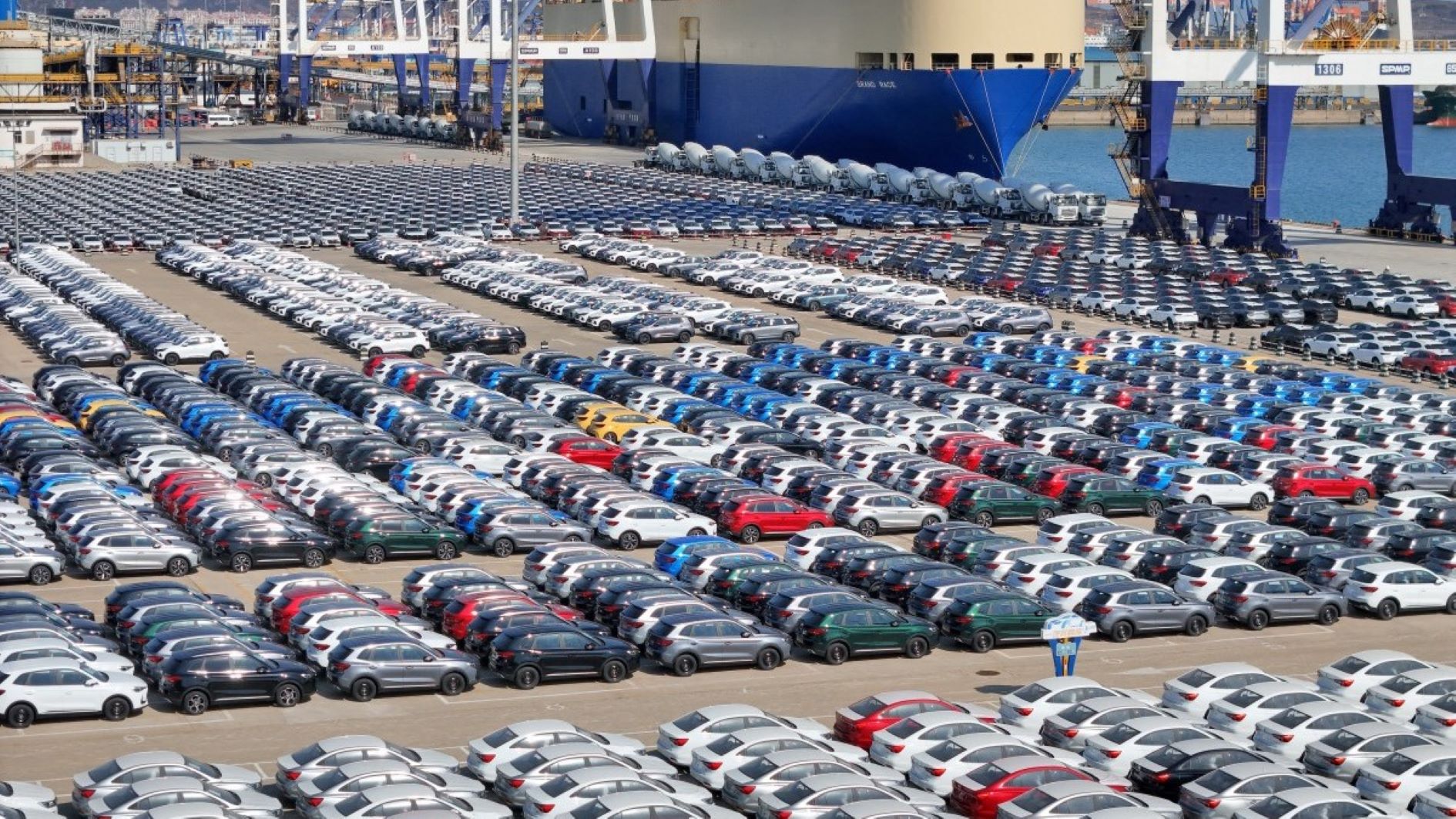
Stakeholders warn that waiving import duties on EVs and buses could undermine Nigeria's automotive sector, reversing gains made under NAIDP.
Nigeria decentralises its electricity sector under the Electricity Act 2023, with states like Lagos, Ogun, Enugu assuming regulatory control, shifting consumer complaints from NERC to state regulators.

President Bola Tinubu has approved N68 billion for the Maiduguri Power Plant in Borno State, with monthly N2 billion interventions from March 2026 to December 2028.

Adebayo Adelabu resigns as Nigeria's Minister of Power, urging President Tinubu to create a Coordinating Minister for Energy to tackle persistent blackouts and improve sector coordination.
United Capital Plc, in partnership with NOMAP and SNV Netherlands, has convened a high-level investment dialogue to accelerate financing for Nigeria's renewable energy sector through the Renewable Energy Blended Finance Facility (REBF).

The Rural Electrification Agency partners with Mente Energy to launch RELIP, a five-year initiative aimed at boosting local manufacturing and attracting investment in Nigeria's renewable energy sector.
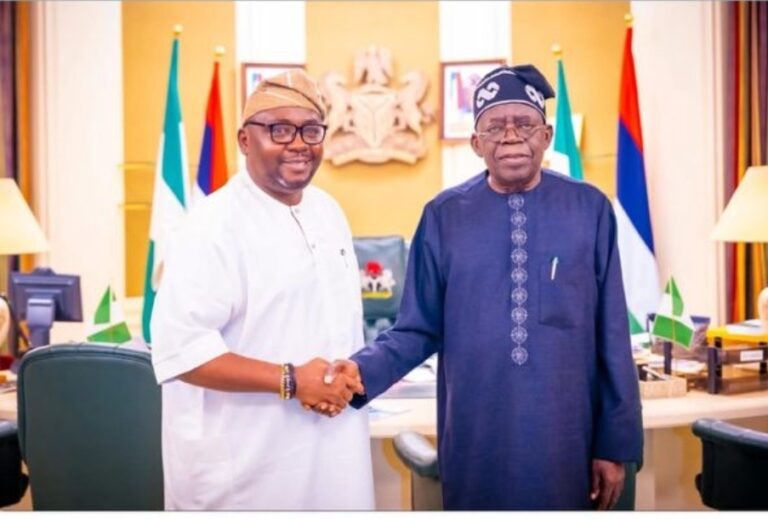
Minister of Power Adebayo Adelabu has resigned, effective April 30, 2026, to pursue his governorship ambition in Oyo State. He proposed creating a Coordinating Minister for Energy to enhance sector integration and reforms.
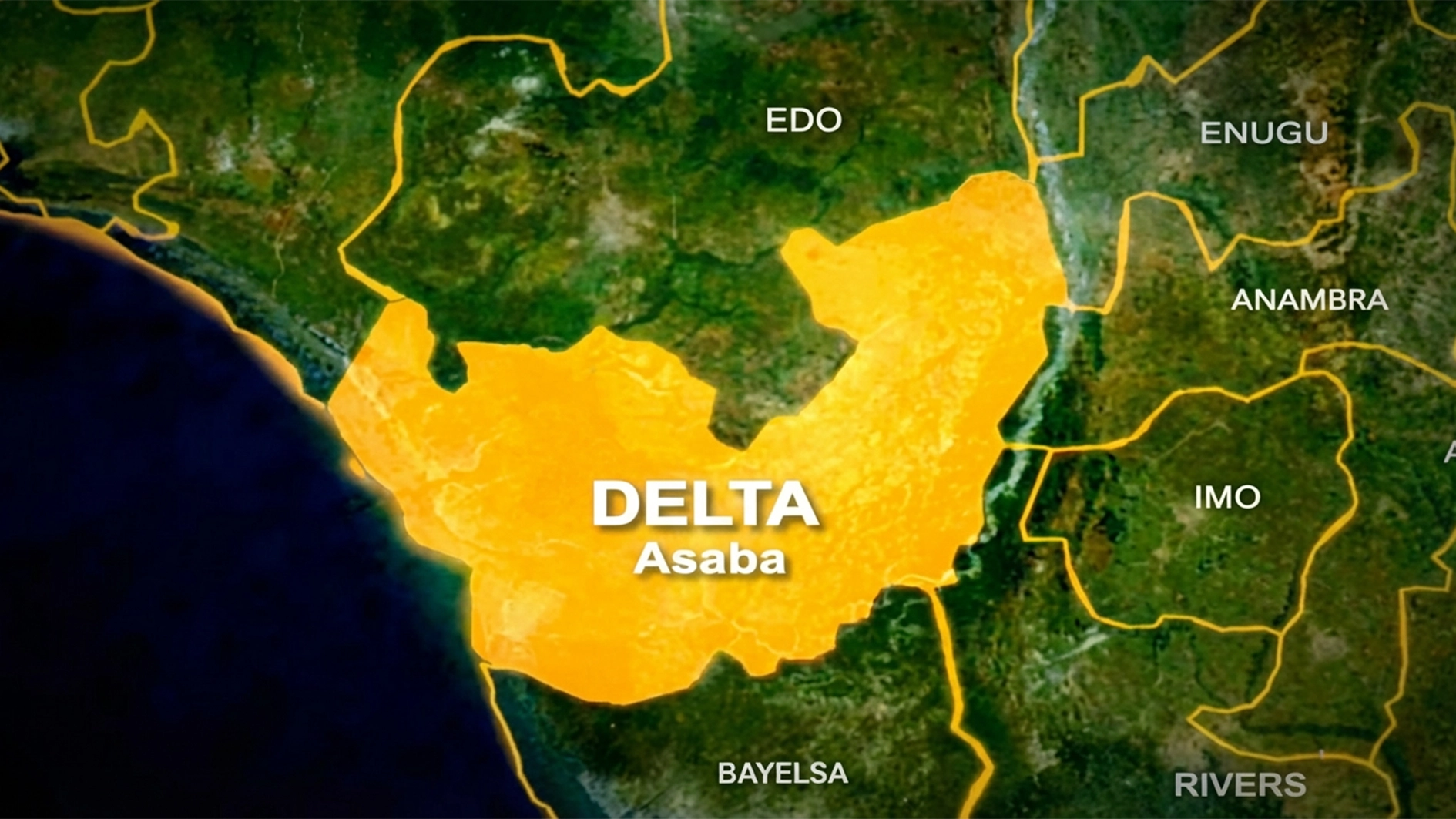
Hundreds of Ndokwa Nation residents barricaded Delta State Government House, demanding an end to over two decades of electricity blackout in their oil-rich communities.
)
President Bola Tinubu attributes Nigeria's electricity problems to poorly executed privatization by previous administrations, while his government faces criticism over ongoing power shortages.

A Nigerian woman's TikTok video revealing she spent N4 million on a 5kVA solar inverter with lithium batteries has ignited widespread discussion about solar system costs and value in Nigeria's challenging power environment.
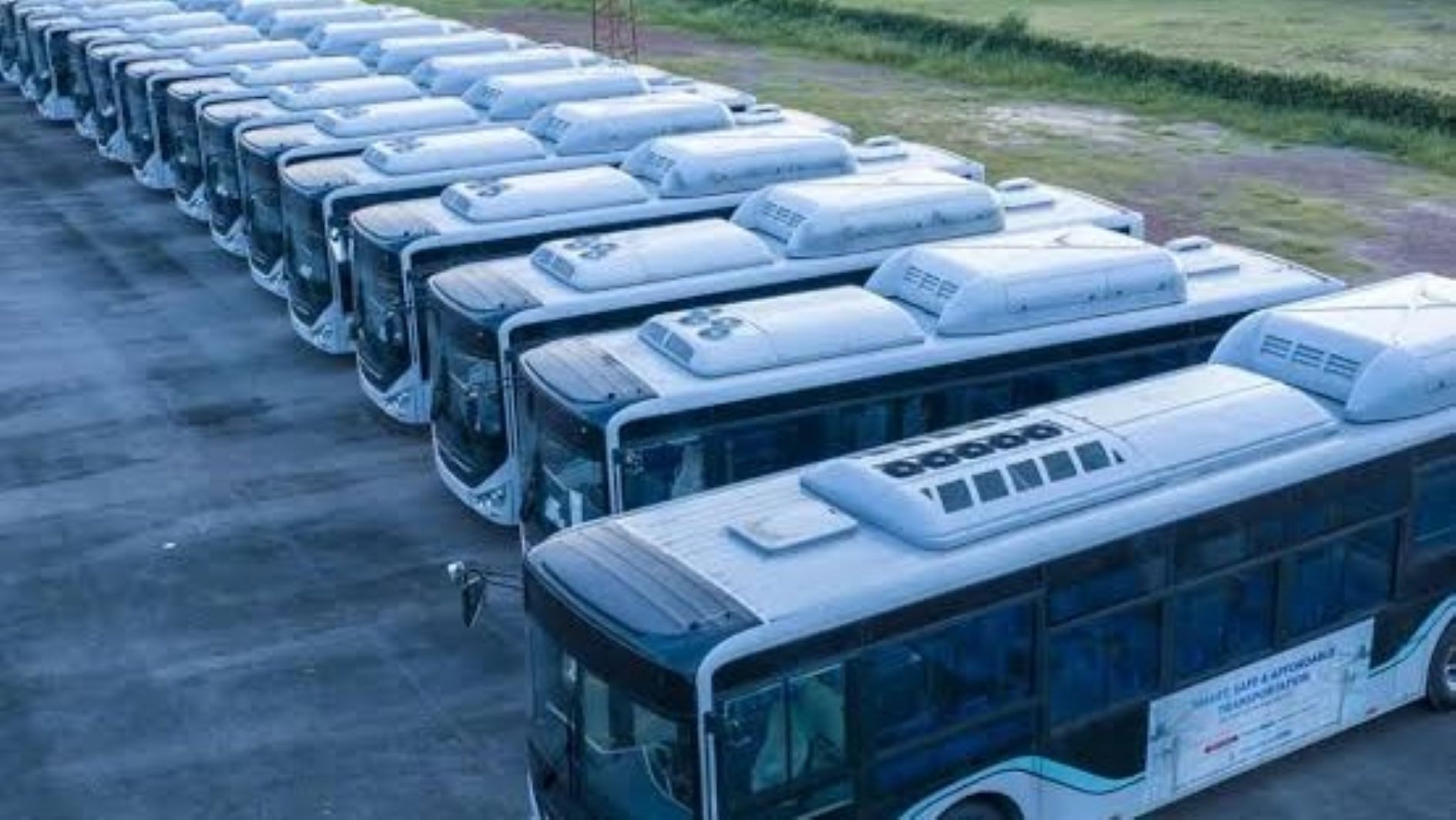
The Federal Government has unveiled a financing initiative to help Nigerians convert vehicles to Compressed Natural Gas (CNG), offering low-interest loans and installment plans to make the transition more affordable.
This analysis critiques Nigeria's electricity policy, arguing that tariff reforms alone cannot solve seasonal crises. It proposes operational fixes like reservoir management and medium-term changes such as solar expansion to address predictable annual bla
The Nigerian Electricity Regulatory Commission reports 192 casualties from power-related accidents in 2025, with distribution companies bearing the brunt of safety failures despite slight declines.
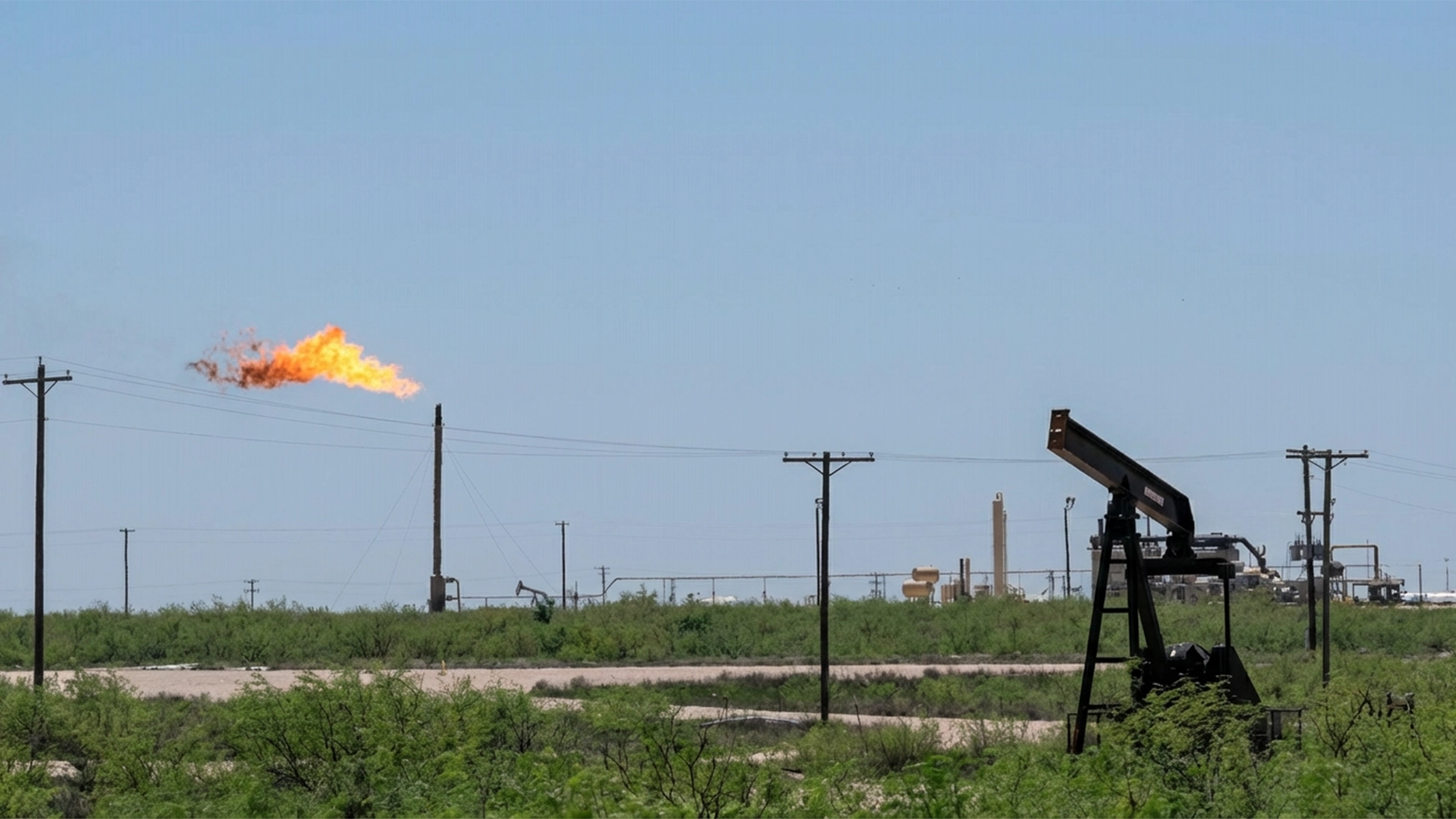
Farmtech Integrated Services, a subsidiary of Komponents and Solutions Rack Limited, has unveiled Sunwoda Energy's advanced storage technologies in Lagos, targeting residential, commercial, and industrial applications to boost Nigeria's clean energy trans

A Nigerian woman's new solar battery malfunctioned just four days after purchase, leading to widespread public sympathy and discussions on product reliability and consumer rights in the energy sector.

A Nigerian lady's viral TikTok video reveals she used tap water instead of distilled water for solar battery maintenance for three years, sparking online reactions and advice.

A Nigerian businesswoman shares her alternative to solar and generators, using rechargeable bulbs to light her home for up to four hours during power outages, inspiring a lively online discussion.
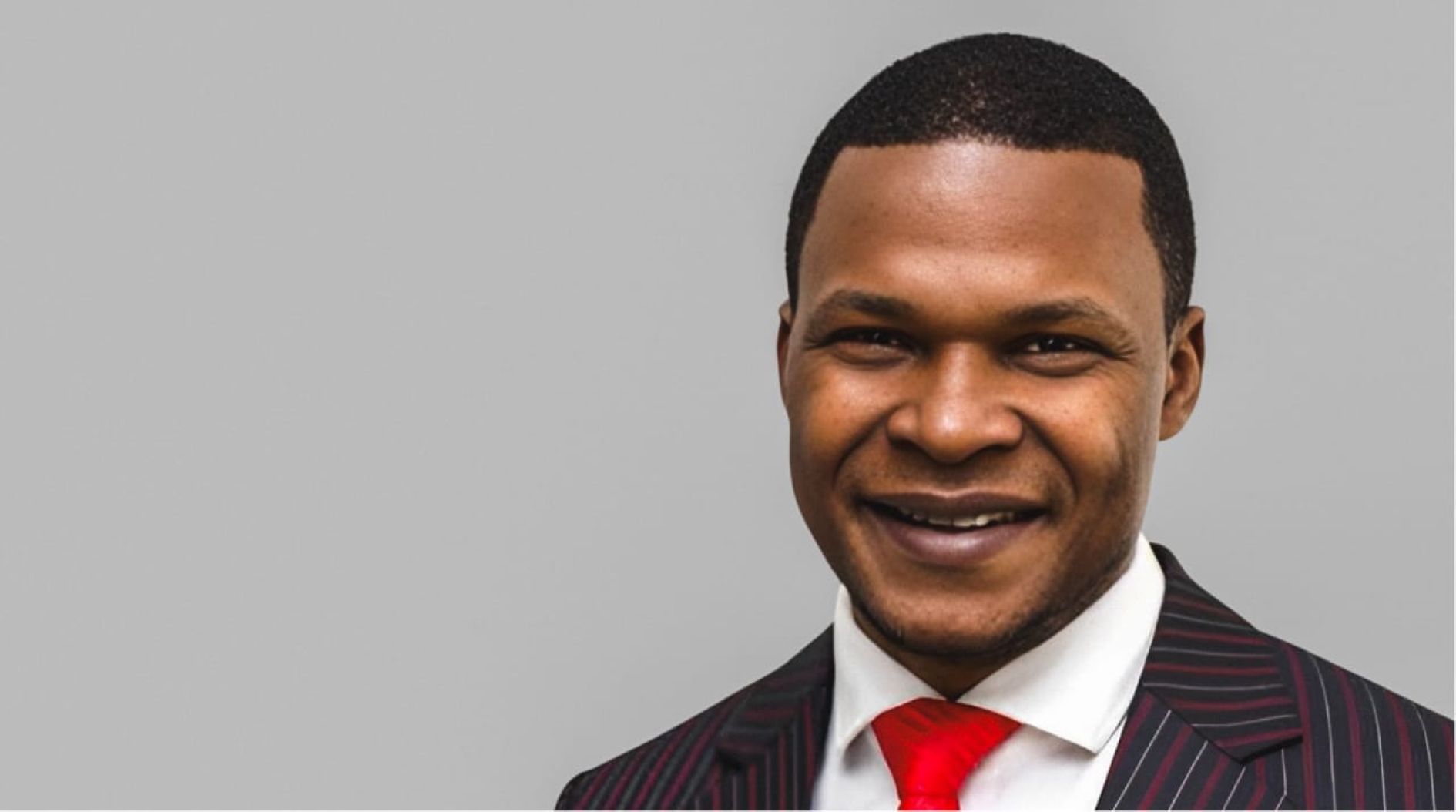
NJ Ayuk, Executive Chairman of the African Energy Chamber, leverages a summit boycott to challenge industry norms, demanding tangible African inclusion in leadership and decision-making for energy sovereignty.
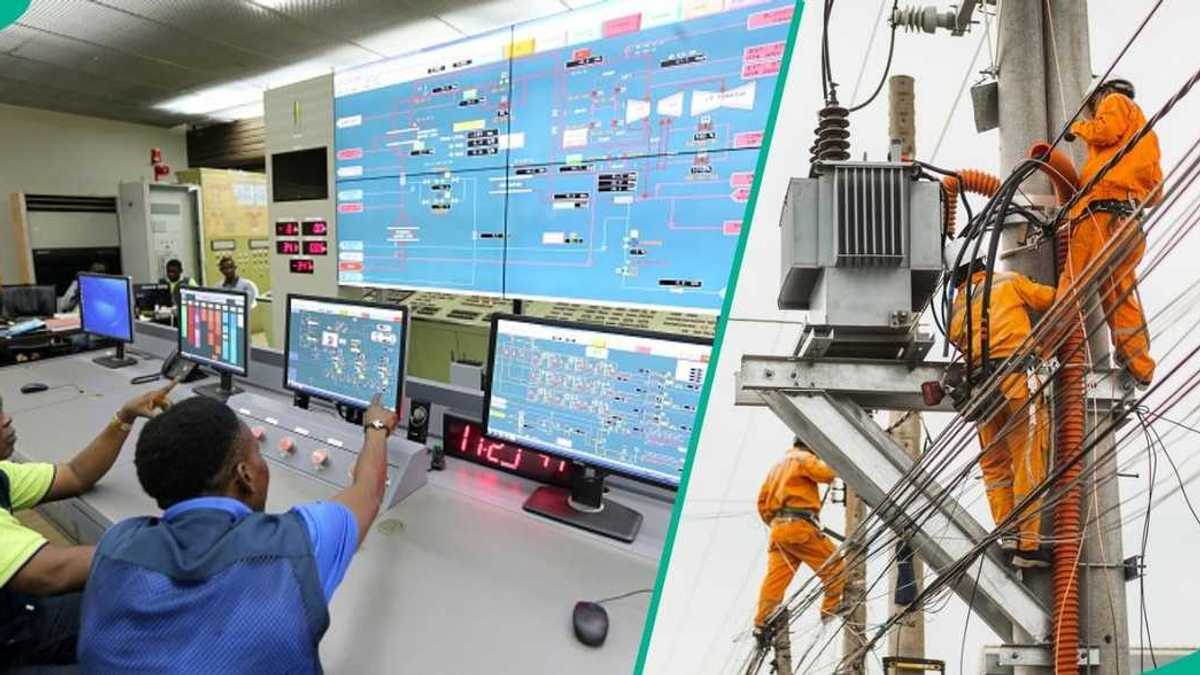
The Transmission Company of Nigeria has upgraded the Apapa Road substation, increasing capacity from 60 MVA to 180 MVA to improve electricity for communities like Apapa Causeway and Tin Can.
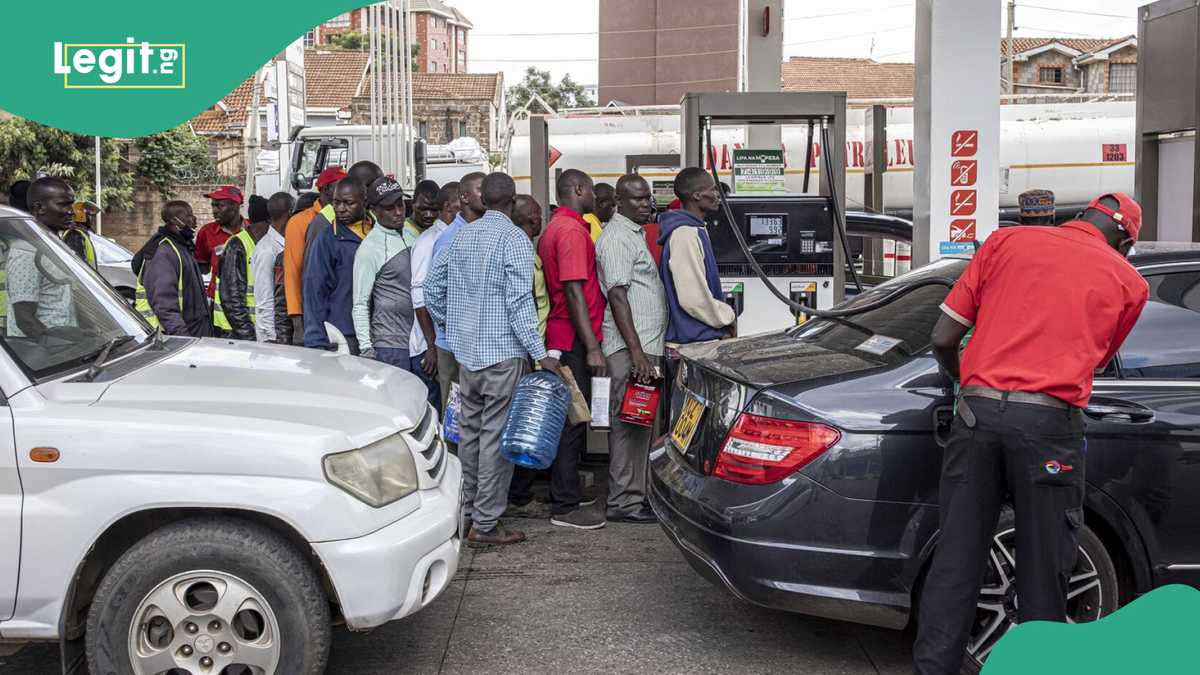
Nigerian petroleum depot operators have kept petrol prices stable despite rising global crude oil costs, while cooking gas prices increased significantly in Lagos markets.
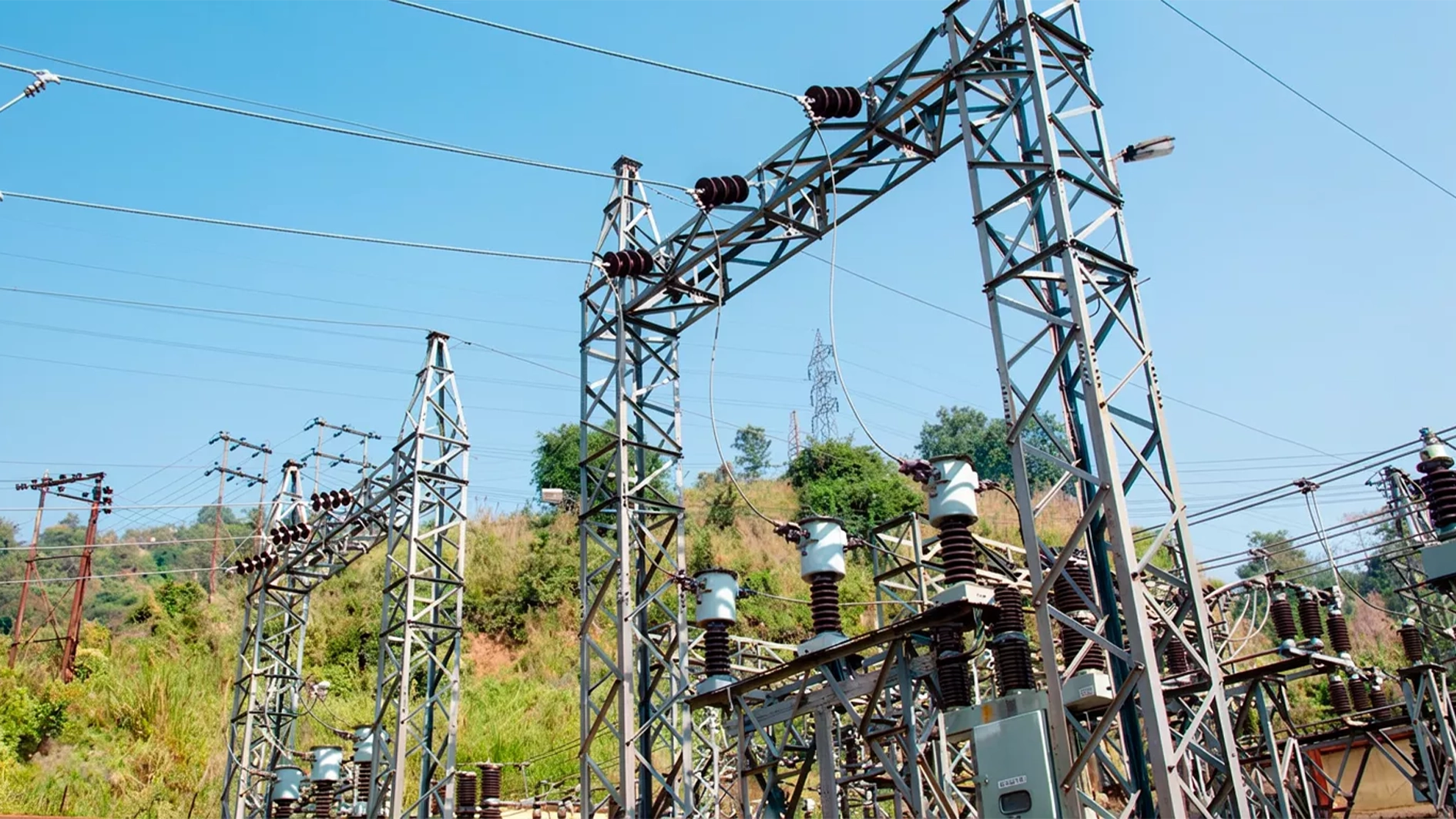
New mini-grid regulations in Nigeria increase project capacity limits to 5MW, shifting from rural stopgaps to mainstream infrastructure. However, regulatory overlaps at state levels could undermine investment and implementation gains.
A major dispute over debts owed to power generation companies has exposed deep systemic failures in Nigeria's electricity market, with government estimates of N3.3 trillion clashing with industry claims of nearly N6 trillion in outstanding obligations.

A safety expert has issued a crucial warning to solar energy users in Nigeria, highlighting two common installation and maintenance errors that significantly increase the risk of fire outbreaks in homes and businesses.