
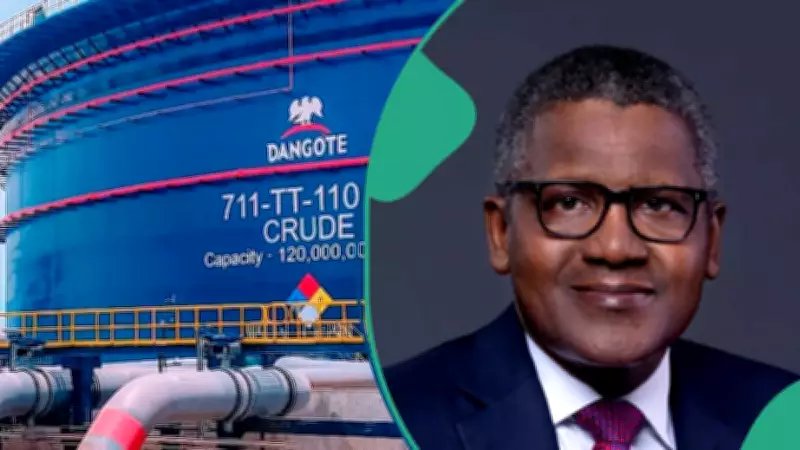
Ghana's Fuel Import Strategy from Dangote Refinery Could Reshape West African Energy Dynamics
Nigeria's expanding influence in Africa's downstream oil sector is poised to intensify as Ghana prepares to import petrol from the massive Dangote Refinery. This strategic development has the potential to significantly alter fuel supply patterns across West Africa while introducing new pressures on regional pump prices.
Ghana Seeks Fuel Cost Reduction Through Nigerian Partnership
Speaking at the 2026 Nigeria International Energy Summit, Ghana's National Petroleum Authority CEO Godwin Tameklo emphasized Nigeria's established position as a regional energy hub. He highlighted the Dangote Refinery's emergence as a crucial supplier of refined petroleum products to neighboring nations.
Tameklo explained that increased reliance on Nigeria's refined products could substantially decrease Ghana's fuel import expenses, particularly given the geographical proximity between the two West African countries. He noted that sourcing petrol from Nigeria offers distinct logistical and economic benefits compared to importing from distant global markets.
Regulatory Alignment Essential for Regional Energy Integration
The NPA chief stressed that stronger regulatory cooperation between Nigeria and Ghana would be fundamental to unlocking the full advantages of this partnership. A harmonized regulatory framework, according to Tameklo, would help position West Africa as a more integrated and competitive energy market while deepening economic collaboration across the region.
"Ghana's domestic refining capacity remains limited," Tameklo acknowledged, noting that the country operates two major refineries alongside a small modular facility producing between 5,000 and 6,000 barrels daily. "This output would be considered insignificant by Nigerian standards," he added, explaining Ghana's historical dependence on imports for both crude oil and refined petroleum products.
Currency Stability Critical for Sustainable Benefits
While geographical proximity and scale promise reduced landing costs, Tameklo cautioned that currency performance remains a vital consideration. He pointed out that fluctuations between the Ghana cedi and Nigerian naira could potentially undermine the economic advantages anticipated from cross-border fuel trade.
Sustainable benefits would only materialize if both economies maintain relative currency stability, ensuring that price advantages translate into genuine savings for consumers across West Africa, Tameklo emphasized.
Ghana's Energy Security and Quality Objectives
The NPA executive stated that Ghana's primary goal involves guaranteeing access to affordable, high-quality petroleum products. Partnering with large-scale refineries like Dangote, which have committed to consistent quality standards, would help Ghana achieve this objective while strengthening regional energy security.
Tameklo described Ghana as a prepared and reliable market for Nigerian refined products, suggesting that Nigeria should consolidate its position as Africa's energy hub by enhancing regulatory cooperation rather than withdrawing from regional leadership responsibilities.
Lessons from Ghana's Deregulation Experience
Regarding downstream regulation, Tameklo explained that Ghana avoids rigid price controls, opting instead for a floor price below which oil marketing companies cannot sell. This approach, he noted, prevents destructive price wars that could eliminate competitors and destabilize the sector.
He referenced Ghana's 2015 experience with fuel subsidies, which resulted in delayed payments and paralyzed fuel stations. Full deregulation, Tameklo asserted, allowed market forces to function effectively, leading to a more resilient downstream sector.
Broader Implications for West African Fuel Markets
As Dangote Refinery extends its footprint across West Africa, its growing dominance could tighten regional supply chains, potentially influencing petrol prices while reinforcing Nigeria's central role in the continent's energy future. This development comes alongside warnings from Dangote Petroleum Refinery that inefficient coastal fuel evacuation methods could drive Nigerian petrol prices toward N1,000 per liter.
The refinery has emphasized that its cautionary statements aim to highlight how logistics decisions impact pump prices, consumer welfare, and broader economic conditions, stressing that inefficient evacuation approaches could undermine the benefits of domestic refining capacity.




