
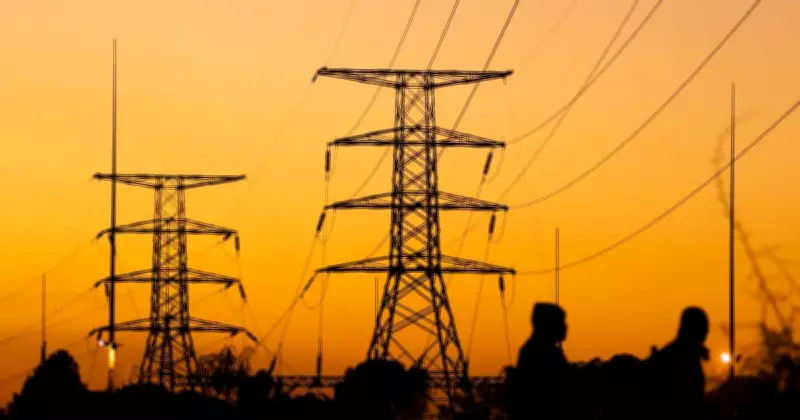
Nigeria's Electricity Generation Plummets to Critical 3,940MW Level
Nigeria's power sector has reached another alarming milestone as electricity generation on the national grid dropped to 3,940.53 megawatts early Thursday morning. This decline represents a significant fall below the critical 4,000MW threshold that typically signals worsening power supply conditions across the country.
Gas Supply Crisis Cripples Thermal Power Plants
The Nigerian Independent System Operator has attributed this sharp decline to persistent natural gas shortages affecting thermal generating plants nationwide. Nigeria relies heavily on gas-fired power plants for electricity generation, meaning that when gas supply drops, power generation follows almost immediately.
Currently, thermal plants require approximately 1,588 million standard cubic feet of gas per day but are receiving only about 652 million, representing roughly 40% of their operational needs. This severe shortfall has forced several power plants to shut down operations, exacerbating the electricity crisis.
Six Essential Strategies to Prepare for Extended Blackouts
As Nigerians brace for potentially longer and more frequent power outages, implementing practical preparation strategies can help mitigate the impact on daily life and business operations.
- Transition to Rechargeable and Solar Lighting Solutions
Modern alternatives like rechargeable bulbs, solar lamps, and LED emergency lights offer safer, more cost-effective options than traditional candles and kerosene lamps. Even basic solar setups can provide reliable lighting and device charging during extended outages. - Protect Electronic Appliances from Power Surges
Voltage fluctuations during power restoration can damage expensive electronics including televisions, refrigerators, and computers. Installing surge protectors and voltage stabilizers provides crucial protection for valuable household and business equipment. - Treat Electricity Availability as Limited Windows
When power returns, immediately charge all essential devices including phones, laptops, power banks, and rechargeable lamps. Plan critical tasks like ironing, cooking, and water pumping around these brief periods of electricity availability to maximize utility. - Implement Strategic Generator Fuel Management
With fuel prices remaining high nationwide, careful generator usage becomes essential during extended outages. Run generators only when absolutely necessary and prioritize power for essential appliances to conserve valuable fuel resources. - Consider Small-Scale Backup Power Systems
Mini inverters, portable solar kits, and rechargeable generators offer practical backup solutions that can power lights, fans, and communication devices for several hours. These systems provide particular value for remote workers and small business operators. - Adapt Food Storage Practices for Power Instability
Reduce perishable food purchases during extended outage periods and minimize freezer openings to preserve cold temperatures longer. Strategic food storage planning helps prevent financial losses from spoiled groceries.
Structural Challenges Behind Nigeria's Power Crisis
For a nation of over 200 million people, generating merely 4,000MW of electricity represents an extremely inadequate power supply. Nigeria's installed capacity actually exceeds 12,000MW, but multiple structural problems prevent consistent grid performance.
Key contributing factors include:
- Persistent gas supply shortages disrupting thermal plant operations
- Severe liquidity problems within the power sector creating massive debt accumulation
- Infrastructure vulnerabilities including pipeline vandalism and maintenance issues
- Transmission network limitations that cannot efficiently distribute generated electricity
Implications for Households and Businesses
When electricity generation falls below critical thresholds, distribution companies typically implement load shedding measures to stabilize the grid. This rationing approach results in extended blackouts for some areas while others receive limited supply.
For Nigerian households, this translates to longer power outages, unpredictable electricity schedules, increased generator fuel expenses, and higher tariffs for unreliable service. Businesses face even greater challenges with cold storage failures, slowed internet connectivity, and escalating operational costs.
Many regions already experience power supply averaging just a few hours daily, making further generation declines particularly noticeable. The current situation underscores Nigeria's ongoing struggle with energy infrastructure while highlighting the remarkable adaptability Nigerians have developed in response to persistent electricity challenges.




