
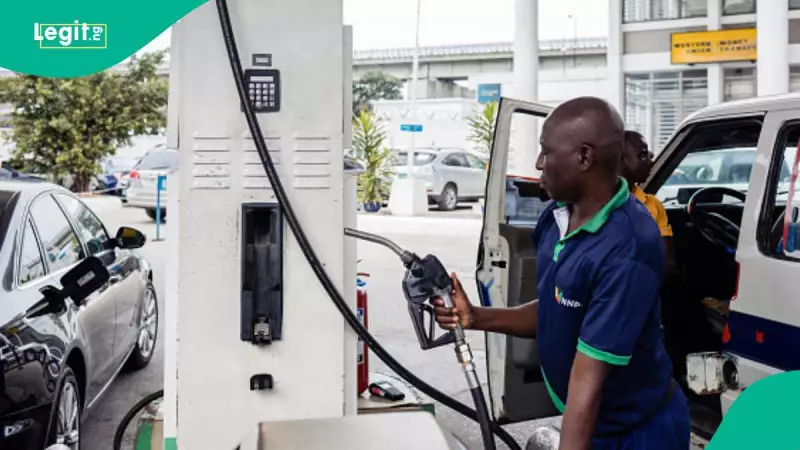
NNPC Implements Petrol Price Hike in Major Cities
The Nigerian National Petroleum Company Limited (NNPC) has announced a significant increase in petrol prices across its retail outlets in Lagos and Abuja. This development places additional financial strain on consumers who are already facing escalating living costs across the nation.
Specific Price Adjustments Revealed
According to market checks conducted on Wednesday, January 28, 2026, petrol now sells for N835 per litre at NNPC filling stations in Lagos. In Abuja, the price has been set at N839 per litre. This represents a notable increase of N50 per litre in Lagos, up from the previous rate of N785, while Abuja has seen a N20 per litre rise.
The price adjustment has been implemented across multiple NNPC retail outlets in both metropolitan areas, affecting millions of motorists and businesses that rely on petrol for daily operations.
Dangote Refinery's Influence on Market Dynamics
This price revision follows closely after Africa's largest oil refinery, the Dangote Petroleum Refinery, increased its gantry price for petrol to N799 per litre. The refinery cited prevailing market conditions as the primary reason for this adjustment.
The ripple effects of Dangote's decision have been felt throughout the downstream petroleum sector. MRS filling stations, one of the refinery's key retail partners, has already adjusted its pump prices to N839 per litre, representing a substantial increase from the previous N739 per litre rate.
Regulatory Perspective on Market Competition
In response to growing concerns about rising fuel costs, the Nigerian Midstream and Downstream Petroleum Regulatory Authority (NMDPRA) has provided reassurances about market stability. The regulatory body's chief executive, Saidu Mohammed, emphasized that sustained competition within the petroleum market would ultimately help stabilize prices over time.
Mohammed stated that improved supply conditions are gradually moving Nigeria toward greater energy security. He further explained that the removal of petrol subsidies has allowed market forces to enhance efficiency and transparency across the downstream petroleum sector.
Global Factors Driving Domestic Price Increases
Energy experts have identified rising global crude oil prices as the primary driver behind recent domestic fuel price adjustments. Geopolitical tensions, particularly in the Middle East, continue to create uncertainty in global energy markets.
Adeola Yusuf, an energy policy analyst and Team Leader at Platforms Africa, provided insight into the situation. "There are genuine concerns that the United States might consider military action against Iran at any moment, which could trigger further price spikes in global markets," Yusuf explained. "Additionally, existing sanctions on Russia are significantly reshaping global price dynamics and affecting energy markets worldwide."
Market Outlook and Consumer Impact
As global uncertainties persist, analysts warn that domestic fuel prices may remain volatile in the near term. Despite regulatory assurances about long-term market stability, consumers should prepare for potential fluctuations in petrol pricing.
The recent adjustments by both Dangote Refinery and NNPC have created a domino effect across Nigeria's petroleum retail sector. MRS Oil Nigeria Plc, as Dangote Refinery's major retail partner, has implemented corresponding price increases at its filling stations nationwide.
This development comes at a challenging time for Nigerian households and businesses, many of which are already struggling with inflationary pressures across multiple sectors of the economy. The petroleum price increases are expected to have cascading effects on transportation costs, food prices, and overall economic activity.




