
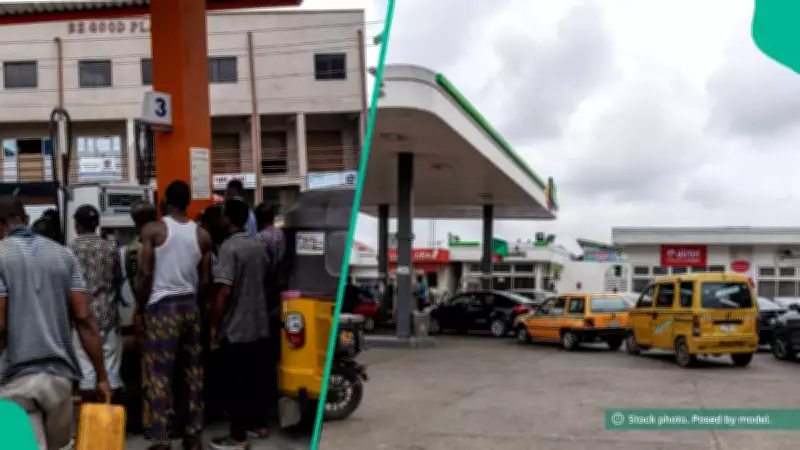
NNPC Implements Second Petrol Price Hike in Less Than 24 Hours
In a dramatic move, the Nigerian National Petroleum Company Limited (NNPCL) has raised the pump price of Premium Motor Spirit (PMS), commonly known as petrol, for the second time within a 24-hour period. This adjustment has sent shockwaves across the country, with prices now soaring above N1,000 per litre at all NNPC retail outlets, intensifying the financial burden on motorists and businesses alike.
Sharp Increases in Major Cities
Checks conducted over the weekend revealed that NNPC filling stations in Lagos are now dispensing petrol at N1,050 per litre, a significant increase of N118 from the previous rate of N932 per litre. Similarly, in Abuja, the price has been adjusted to N1,081 per litre, up from N960 per litre. This latest hike means that within just one week, NNPC has increased petrol prices by a staggering N218, compared to the recent rate of N832 per litre at its stations.
Nationwide Price Surge
The price adjustments are not limited to Lagos and Abuja. A review of NNPC's current petrol prices across various states shows widespread increases, exacerbating economic challenges for Nigerians. Here is a snapshot of the new petrol prices at NNPC filling stations in select states:
- Lagos: N1,050 per litre
- Ogun: N1,051 per litre
- Abuja: N1,081 per litre
- Bayelsa: N1,085 per litre
- Benue: N1,076 per litre
- Delta: N1,085 per litre
- Sokoto: N1,083 per litre
These hikes come amid a backdrop of rising operational costs for businesses and increased transportation expenses for commuters, further straining household budgets.
Market Forces Drive Price Fluctuations
The Nigerian Midstream and Downstream Petroleum Regulatory Authority (NMDPRA) has attributed the current pump price fluctuations to market forces within the country's deregulated downstream sector. George Ene-Ita, speaking to the News Agency of Nigeria, explained that variations from N875–N880 to N960–N1,000-plus are driven by supply and demand dynamics, not regulatory interference.
He stated, "Nigeria has been operating a fully deregulated downstream petroleum regime since the inception of the current administration. Therefore, pump price vagaries are purely as a result of market dynamics." Ene-Ita emphasized that under this deregulated framework, petroleum product prices respond to prevailing market conditions, fostering competition and investment in the sector.
Depot Prices Near N1,000 Per Litre
Earlier reports indicated that petrol depot prices across Nigeria have climbed close to N1,000 per litre, raising fresh concerns for motorists and businesses already grappling with escalating costs. Data from PetroleumPriceNG on Tuesday, March 3, 2026, showed that prices at private depots jumped from the N800 range to above N900 per litre within a few days. This surge followed a new gantry price adjustment introduced by the Dangote Petroleum Refinery on Monday, highlighting the interconnected nature of the fuel supply chain.
As Nigerians navigate these challenging economic times, the continuous rise in petrol prices underscores the volatile nature of the deregulated market and its impact on daily life. Stakeholders are calling for measures to mitigate the effects on consumers while ensuring market stability.




