
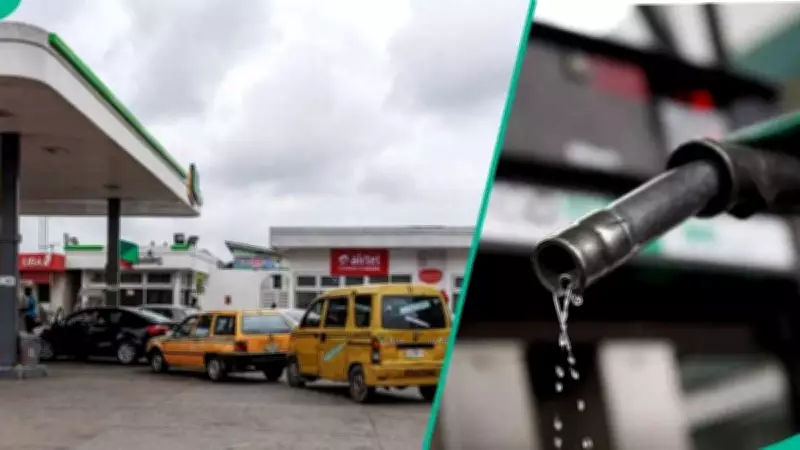
NNPC Announces New Petrol Prices Across Nigeria, Reaching N960 Per Litre in Abuja
The Nigerian National Petroleum Company (NNPC) Limited has implemented a significant upward adjustment in the pump price of Premium Motor Spirit (PMS), commonly known as petrol, at its retail outlets nationwide. This move follows recent changes in the downstream market, further escalating costs for motorists and transportation services.
Detailed Breakdown of Revised Petrol Prices by State
A market survey conducted in Abuja on Wednesday, March 4, 2026, revealed that NNPC retail stations increased their pump price from N875 per litre to N960 per litre. In Lagos, the price rose from N837 per litre to N932 per litre. Other states have also seen adjustments, with prices varying across regions.
The updated pump prices at NNPC retail outlets in selected states include:
- Lagos: N932 per litre
- Abuja: N960 per litre
- Abia: N945 per litre
- Adamawa: N977 per litre
- Anambra: N955 per litre
- Bauchi: N975 per litre
- Benue: N955 per litre
- Cross River: N910 per litre
- Delta: N955 per litre
- Edo: N955 per litre
- Gombe: N976 per litre
- Ogun: N925 per litre
- Osun: N925 per litre
- Rivers: N950 per litre
- Sokoto: N962 per litre
Factors Driving the Petrol Price Increase
The price hike is largely attributed to a surge in global crude oil prices, which reached $83 per barrel on March 4, marking a 20-month high. This spike follows American and Israeli airstrikes on Iran, raising concerns over potential supply disruptions in the Middle East. Notably, this price far exceeds the federal government's 2026 budget benchmark of $64.85 per barrel, potentially boosting Nigeria's revenue despite the country producing below its OPEC quota.
Additionally, the Dangote Petroleum Refinery recently increased its gantry price of PMS by N100 per litre, pushing the ex-depot rate to N874 from N774. This adjustment has contributed to the overall rise in retail prices across the nation.
Broader Implications for Nigeria's Energy Sector
Billy Gillis-Harry, National President of the Petroleum Products Retail Outlets Owners Association of Nigeria (PETROAN), highlighted that the escalating military tensions in the Middle East underscore Nigeria's heavy reliance on imported refined petroleum products. Despite being Africa's largest crude oil producer, the country remains vulnerable to global market fluctuations, which could quickly impact the downstream sector if proactive measures are not taken.
In a related development, the Dangote Refinery has also raised the ex-depot price of Automotive Gas Oil (AGO), known as diesel, from N880 per litre to N1,050 per litre, a N170 increase. This hike is expected to affect pricing in private depots and bulk supply chains, adding to the economic pressures faced by businesses and consumers.
The ongoing adjustments in fuel prices reflect the complex interplay between global crude oil markets and local economic conditions, with significant ramifications for transportation costs and overall inflation in Nigeria.




