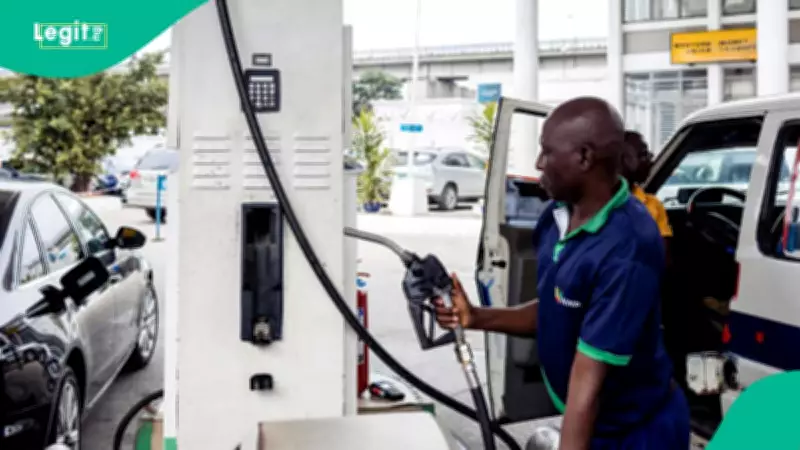
NNPC Implements Significant Fuel Price Increases in Northwest Region
The Nigerian National Petroleum Company Limited has initiated substantial adjustments to fuel prices at its retail outlets in the Northwest region, marking a significant development in the nation's deregulated petroleum market. According to comprehensive market monitoring, NNPC stations have revised Premium Motor Spirit (petrol) prices to approximately N1,013 per litre, while Automotive Gas Oil (diesel) now commands as much as N1,295 per litre in the same geographical area.
Regional Price Disparities Become Evident
While Northwest consumers face these elevated fuel costs, the Southwest region presents a contrasting picture. Multiple retail outlets in Lagos continue to sell petrol at around N932 per litre, indicating that the recent price adjustments have not yet fully permeated all regions of the country. Market analysts anticipate this regional gap may diminish as supply costs continue their upward trajectory across Nigeria's petroleum distribution network.
The emerging price variations reflect the operational dynamics of Nigeria's deregulated fuel market, where regional differences in supply conditions, logistics expenses, and depot pricing directly influence final retail prices. This market structure allows for geographical price discrepancies based on localized economic factors and distribution challenges.
Depot Prices Signal Potential Further Increases
Wholesale fuel prices at depots nationwide provide concerning indicators of continued upward pressure on retail costs. Industry monitoring reveals several depots have begun quoting petrol prices around N1,000 per litre, suggesting retailers may soon encounter higher procurement expenses that could translate to additional pump price adjustments.
In the South-South region, the situation appears particularly acute. At the Calabar axis, Fynefield depot has reportedly sold Premium Motor Spirit at approximately N1,050 per litre, highlighting tightening supply conditions within specific segments of Nigeria's domestic fuel distribution infrastructure. These escalating depot prices typically serve as early warning signals for impending retail price modifications.
Updated Dealer Pricing Structure Implemented
Fuel dealers have confirmed receiving revised price notifications from NNPC Retail, formalizing the new pricing framework. According to the official communication, Automotive Gas Oil pump prices have been adjusted to N1,295 per litre, while Premium Motor Spirit prices are now established at approximately N1,035 per litre.
For independent dealers operating under the Dealer Own Dealer Operated arrangement, the official ordering price for petrol has been set at N1,014 per litre. This pricing structure determines how dealers procure products from the national oil company before reselling at their respective retail stations, establishing the foundational economics of fuel distribution.
Global Oil Market Dynamics Drive Local Adjustments
Industry analysts attribute these fuel price modifications primarily to developments in international oil markets. Brent crude prices have recently surged toward the $90 per barrel threshold, increasing costs associated with crude supply, maritime transportation, refining operations, and global fuel distribution networks.
With Nigeria operating under a deregulated fuel pricing system, fluctuations in global oil prices increasingly translate directly into changes in domestic pump prices. Energy experts caution that if crude prices maintain their upward trajectory, Nigerian consumers could experience further fuel price adjustments in coming weeks as marketers respond to escalating supply costs throughout the petroleum value chain.
The current situation follows reports indicating petrol prices across Nigeria increased by approximately 13 percent within a 48-hour period earlier this month, triggered by a sharp rally in global crude oil prices that pushed international benchmarks above $80 per barrel. This rapid adjustment prompted significant industry responses, including temporary operational suspensions and revised pricing from major refining operations.