
Petrol Prices Skyrocket Above N1,000 Per Litre as Major Marketers Adjust Rates
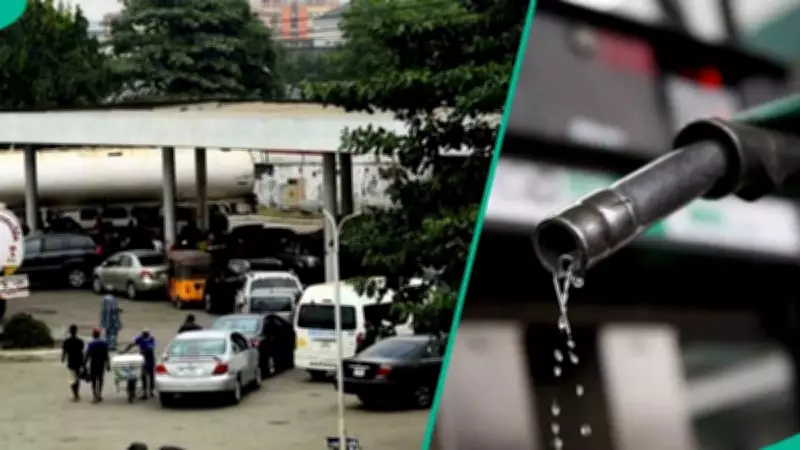
Nigerian motorists are grappling with a severe economic strain as petrol prices have surged above N1,000 per litre, marking the second significant increase within just four days. This development has triggered widespread panic buying and long queues at filling stations, particularly in Lagos, where consumers are scrambling to secure fuel at relatively lower rates before further hikes.
A comprehensive market survey conducted on Saturday, March 7, revealed that Premium Motor Spirit (PMS), commonly known as petrol, is now selling at exorbitant prices across numerous retail outlets on both the Lagos mainland and island areas. The rapid escalation in costs has forced drivers to rush to stations offering marginally cheaper fuel, exacerbating congestion and supply challenges.
Detailed Breakdown of New Petrol Prices Across Major Marketers
The price adjustments vary significantly among different petroleum marketers, reflecting the volatile nature of the current market. Stations operated by MRS Oil Nigeria Plc are now dispensing petrol at approximately N1,030 per litre, while Nigerian National Petroleum Company Limited (NNPC) retail outlets have raised their pump prices to around N1,050 per litre, up from a previous rate of N932 in Lagos.
Other key players in the industry have also implemented substantial increases. Hyde Energy stations are selling petrol at about N1,035 per litre, Eterna Plc has adjusted prices to roughly N1,040 per litre, and North West Petroleum & Gas Company Limited along with Fatgbems Petroleum Company Limited have set rates at around N1,030 per litre. Retail outlets under the Mobil brand are offering slightly lower prices at approximately N1,025 per litre, according to industry reports.
However, consistency remains an issue, as some NNPC stations in areas like Iwaya, Bariga, and parts of Ikoyi were observed dispensing petrol at N1,050 per litre as of midday, highlighting the fragmented pricing landscape.
Underlying Factors Driving the Petrol Price Surge
The recent spike in petrol prices is directly linked to a sharp increase in global crude oil prices, which have surged above $90 per barrel. This upward trend has triggered a cascade of adjustments across Nigeria's downstream petroleum market, impacting both importers and local refiners.
Earlier in the week, Dangote Petroleum Refinery escalated the ex-depot price of petrol from N774 to N874 per litre, before further raising the gantry price to N995 per litre. These moves reflect the broader shifts in international oil markets and geopolitical tensions that are disrupting global energy supply chains.
Billy Gillis-Harry, President of the Petroleum Products Retail Outlets Owners Association of Nigeria (PETROAN), emphasized that escalating geopolitical conflicts have significantly destabilized energy markets. He warned that any sustained rise in crude oil prices will inevitably be mirrored at retail outlets across Nigeria, urging for urgent strategic actions to bolster the country's energy security.
Paul Alaje, chief economist at SPM Professionals, corroborated this view, noting that rising crude oil prices typically lead to higher costs for refined petroleum products. He projected that if current conflicts persist, petrol prices could reach or exceed N1,000 per litre by the end of April, further straining household budgets.
Current Fuel Supply Situation in Nigeria
Despite the price hikes, recent data indicates an improvement in petrol supply within Nigeria. Reports show that daily petrol supply increased to about 74.2 million litres in December 2025, up from 71.5 million litres in November, according to the Nigerian Midstream and Downstream Petroleum Regulatory Authority.
This boost in availability has pushed national stock levels to over 29 days, suggesting that while supply is relatively stable, external market forces are the primary drivers of the current price crisis. The situation underscores the complex interplay between local refining capacities, global oil dynamics, and consumer affordability in Nigeria's energy sector.




