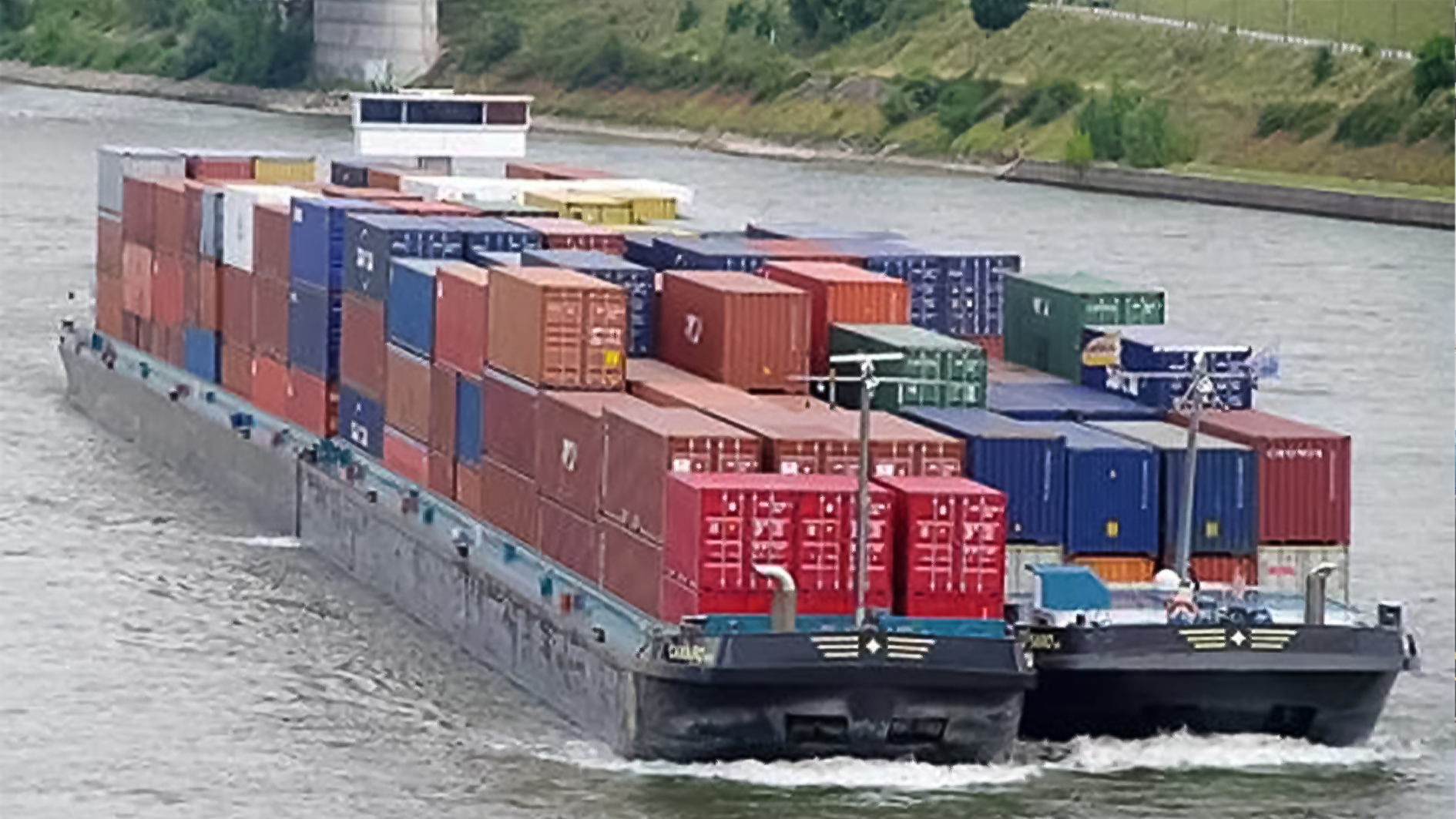
Nigerian Ports Hit 102,803 TEUs of Exports in Q1 2026
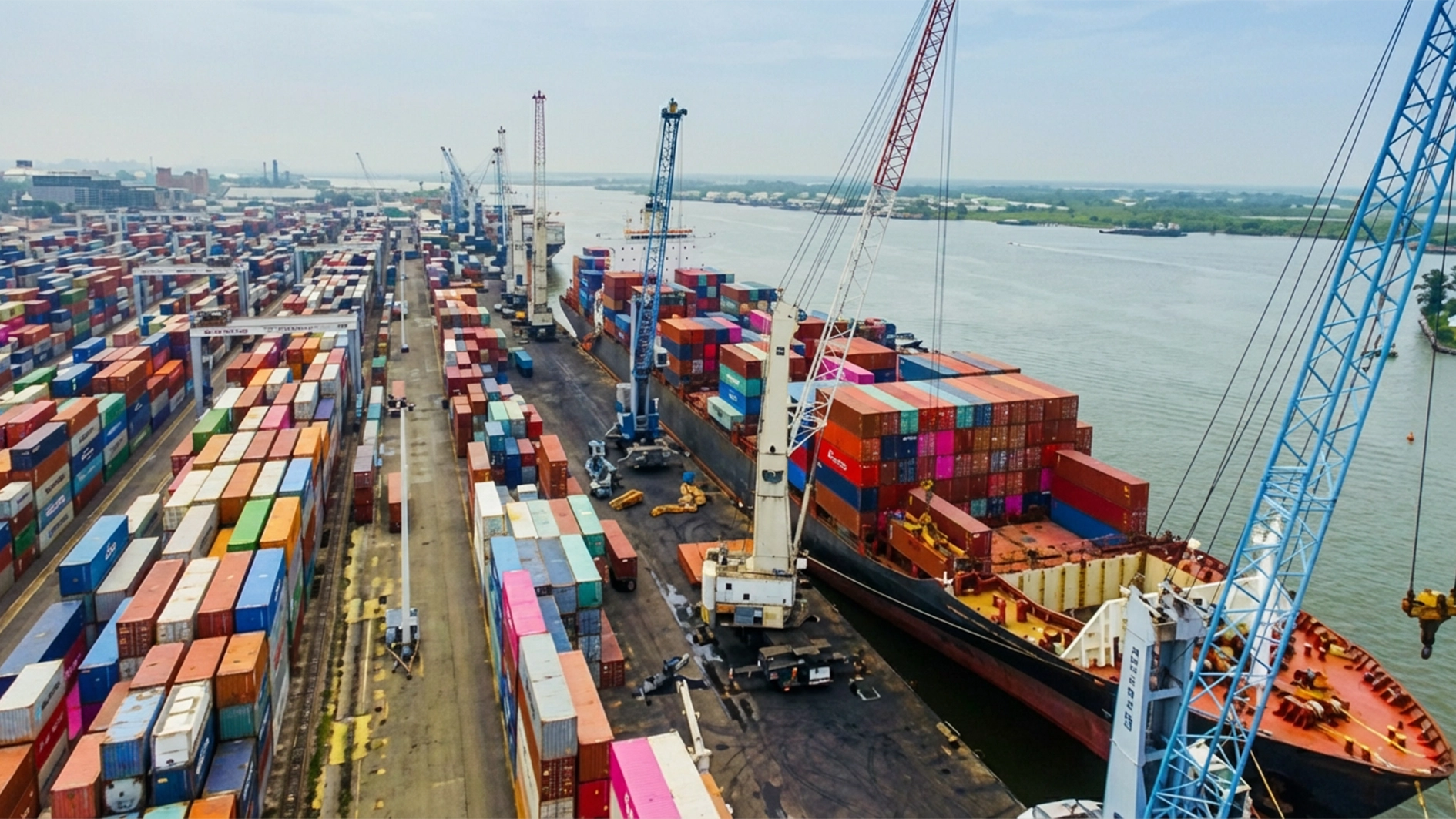
Nigerian ports saw a 67.6% rise in export container traffic to 102,803 TEUs and a 67% increase in vehicle imports to 58,870 units in Q1 2026, driven by improved logistics and terminal efficiency.

Nigerian ports saw a 67.6% rise in export container traffic to 102,803 TEUs and a 67% increase in vehicle imports to 58,870 units in Q1 2026, driven by improved logistics and terminal efficiency.
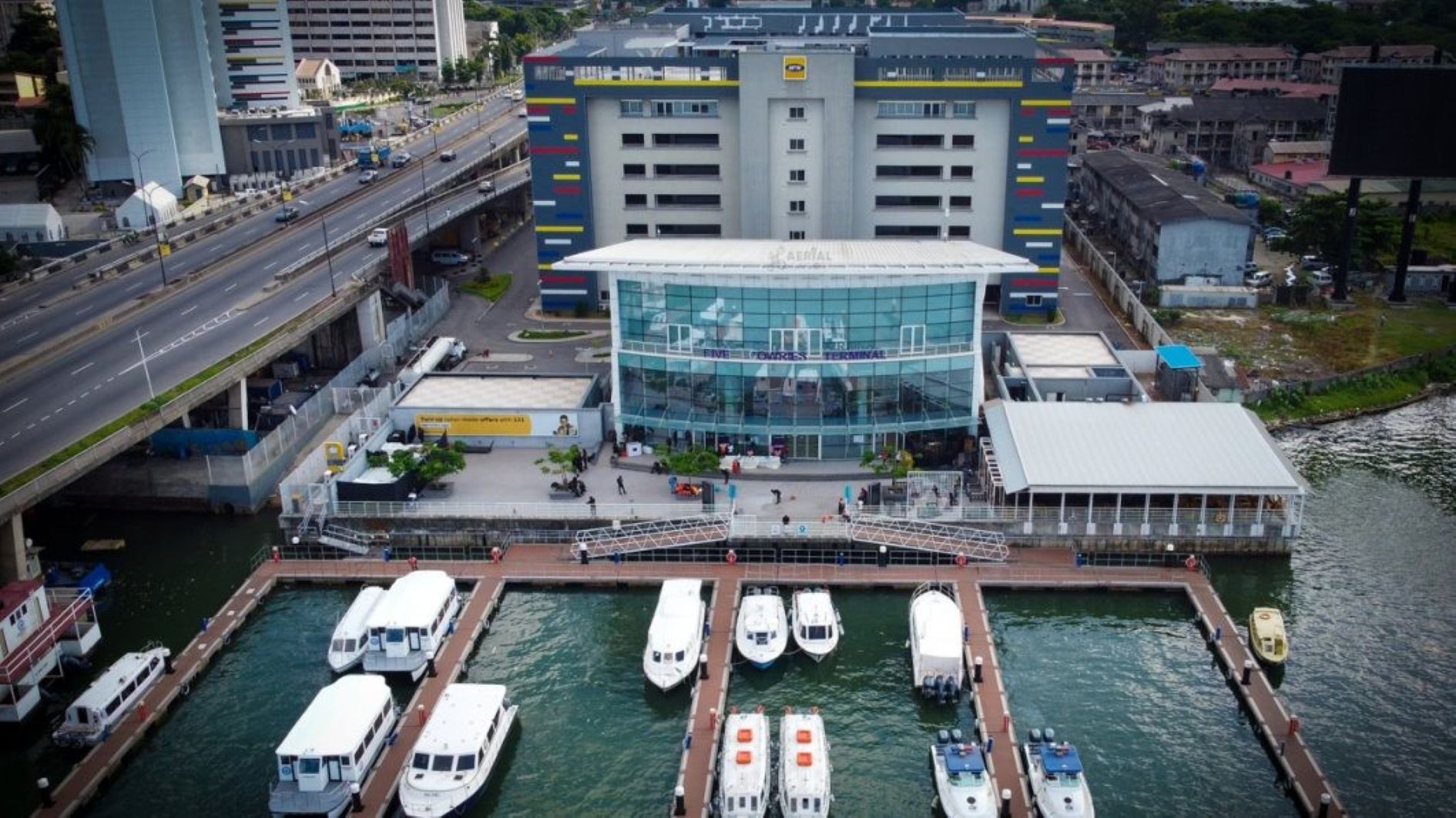
LASWA and Interferry launch Africa's first 18-month ferry safety training for 50 professionals in Lagos, aiming to enhance waterway safety standards.
CILT Calabar chairman urges Nigeria and Gulf of Guinea nations to formalise maritime trade to maximise AfCFTA benefits, citing revenue losses from informal activities.
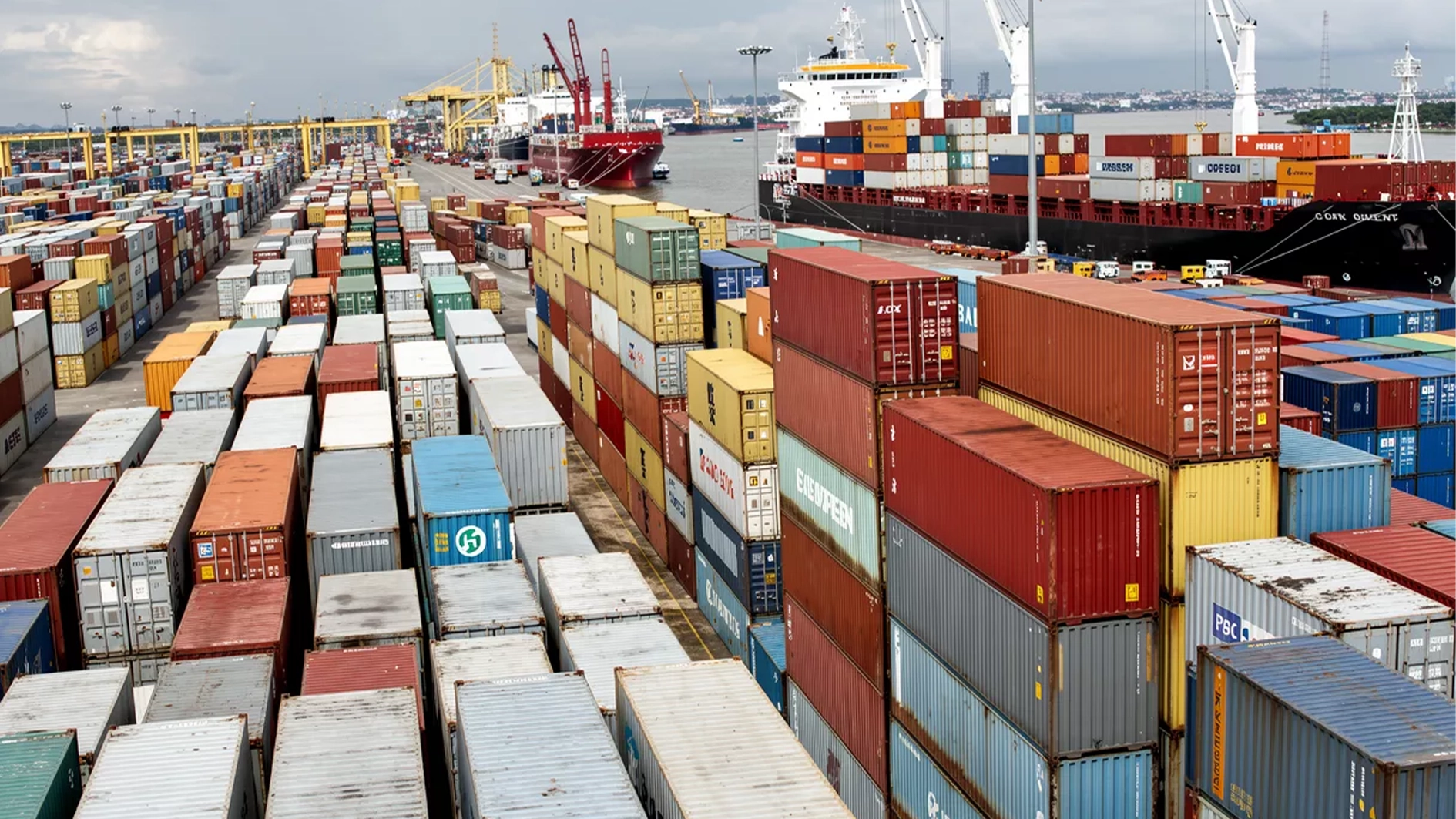
Shipping companies decry high NPA berthing charges as 4,477 vessels paid $111.9 million daily on anchorage in 2025, raising costs for importers and consumers.
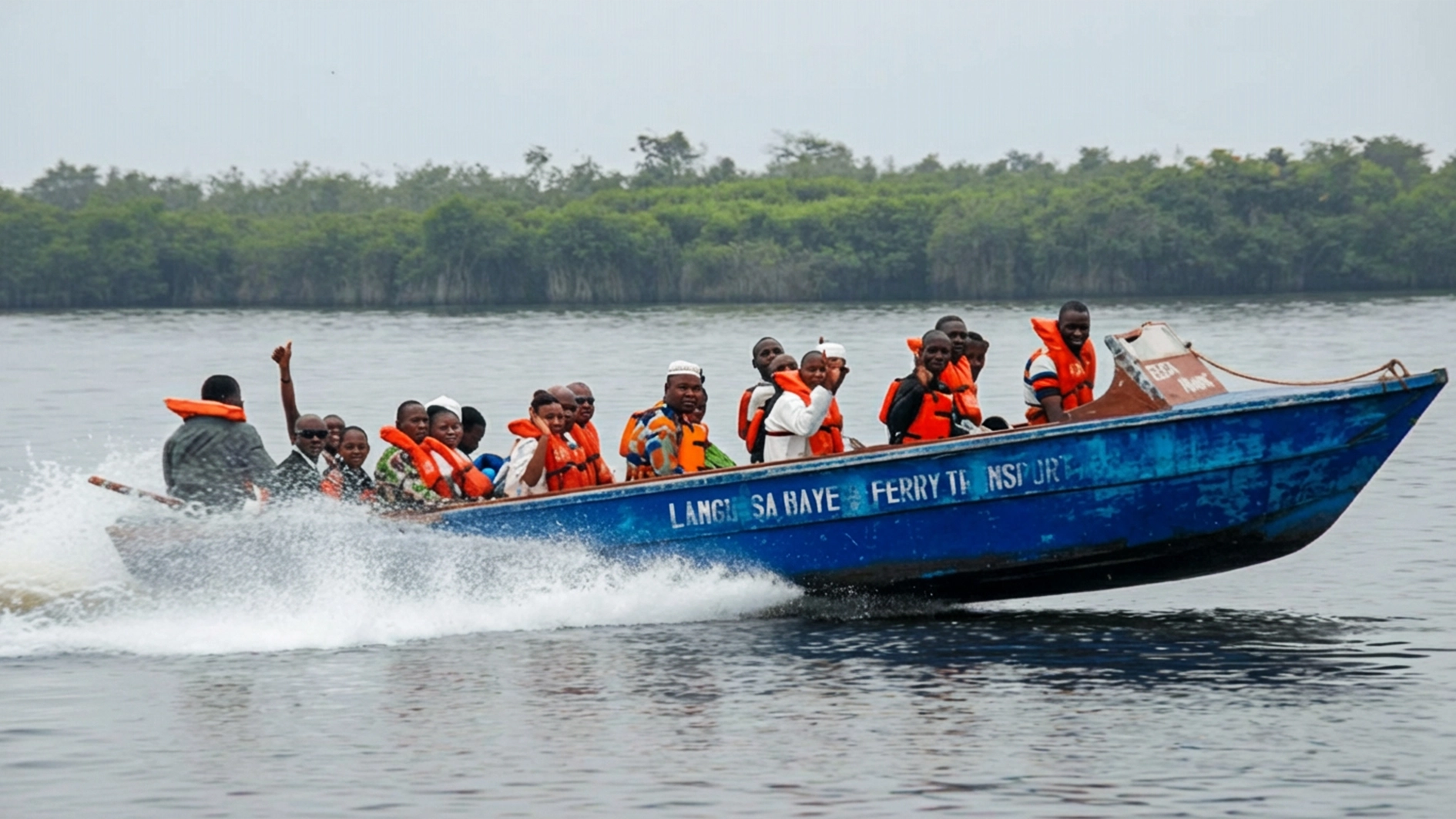
Lagos State Government says passenger safety on waterways is a calling, not just duty. 50 ferry professionals trained under Interferry partnership.
Lack of coordination among 18 maritime agencies causes bottlenecks, delays, and corruption. Experts urge unified framework to enhance trade competitiveness and unlock blue economy potential.
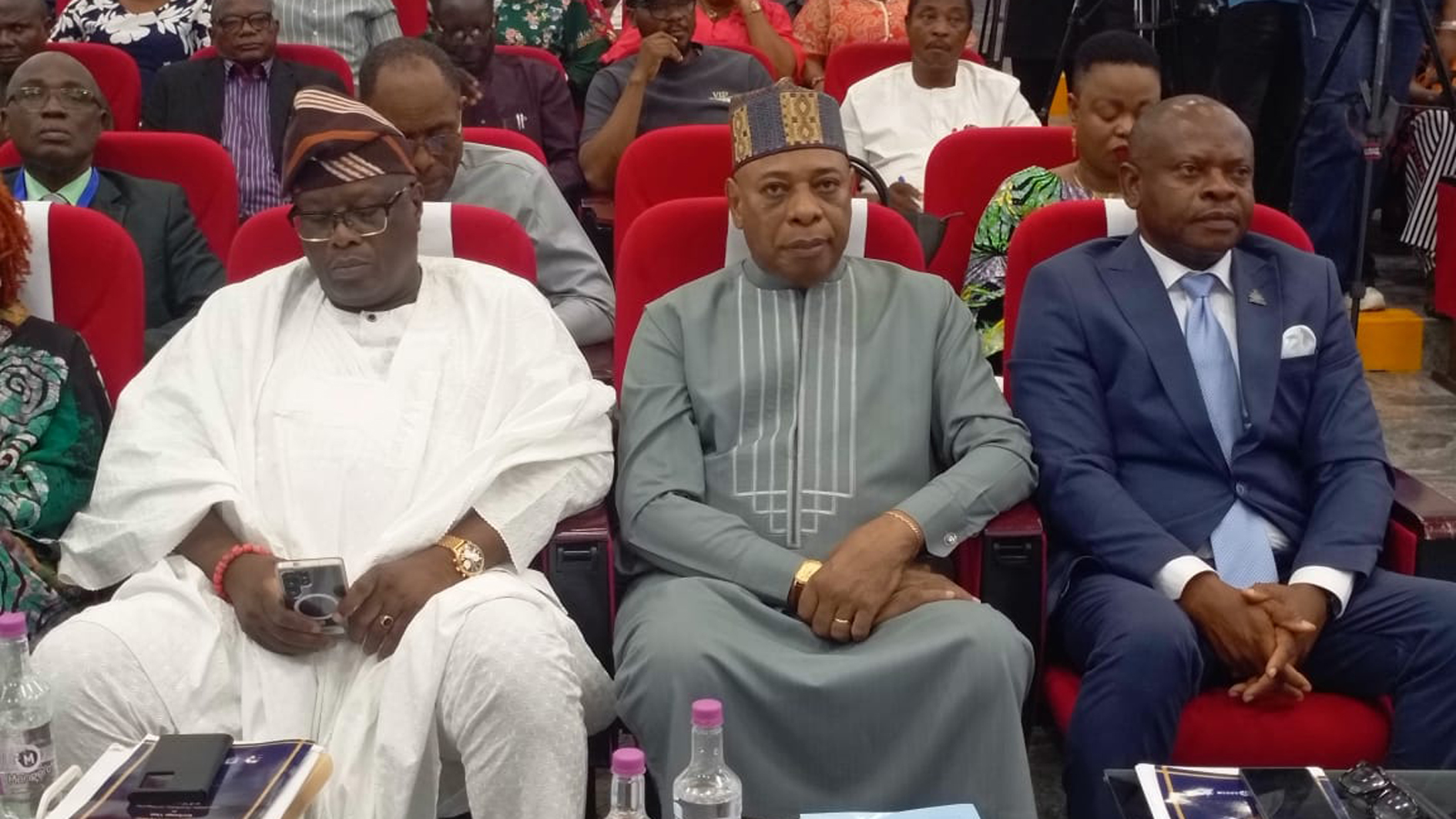
MOWCA aims to harmonise maritime training across West and Central Africa to bridge human capital gaps and meet global standards, fostering collaboration among regional institutions.
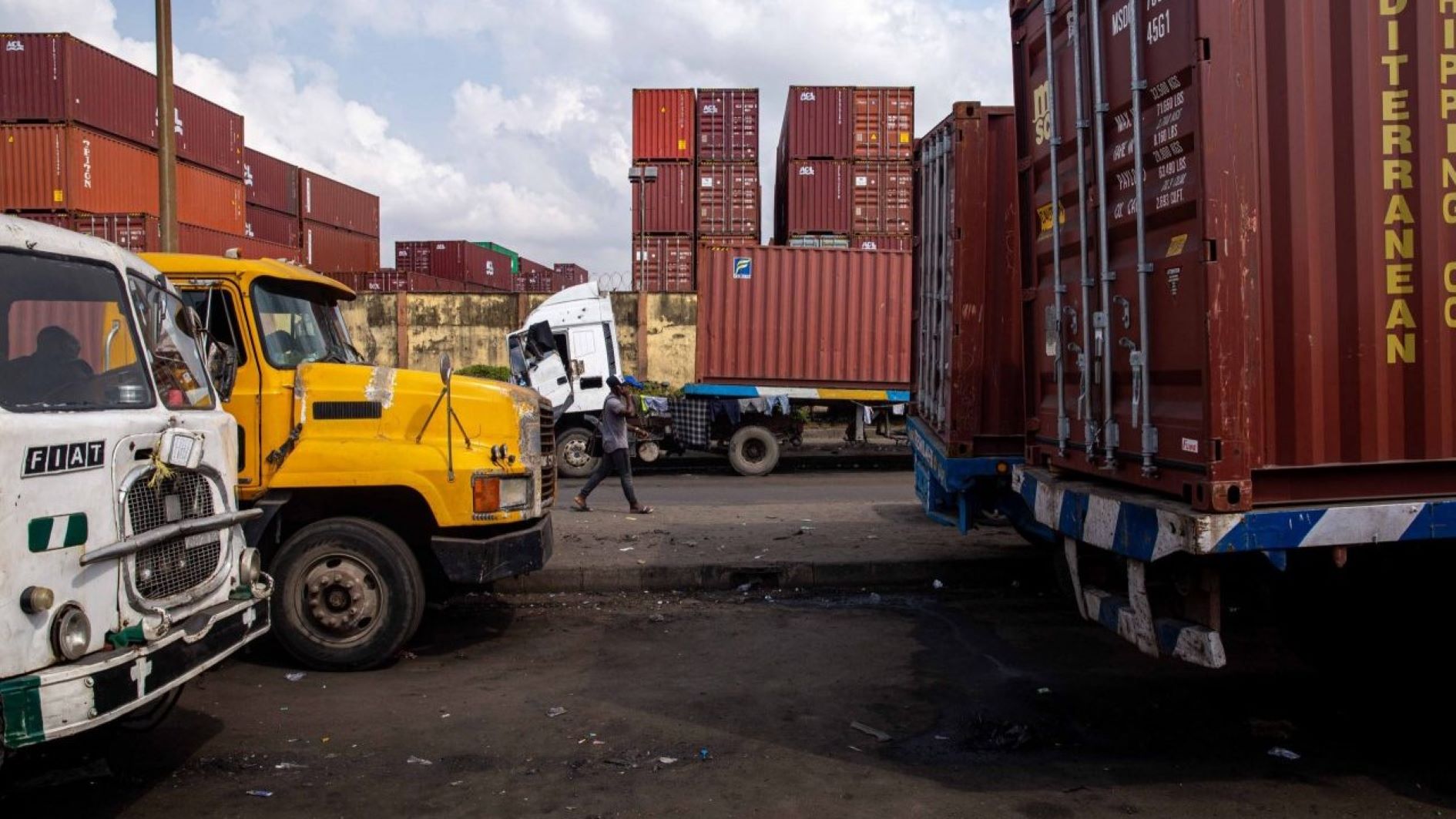
Nigerian importers save up to N4 million per container by diverting cargo to Cotonou port due to high shipping and port charges in Lagos, warns IMAN.
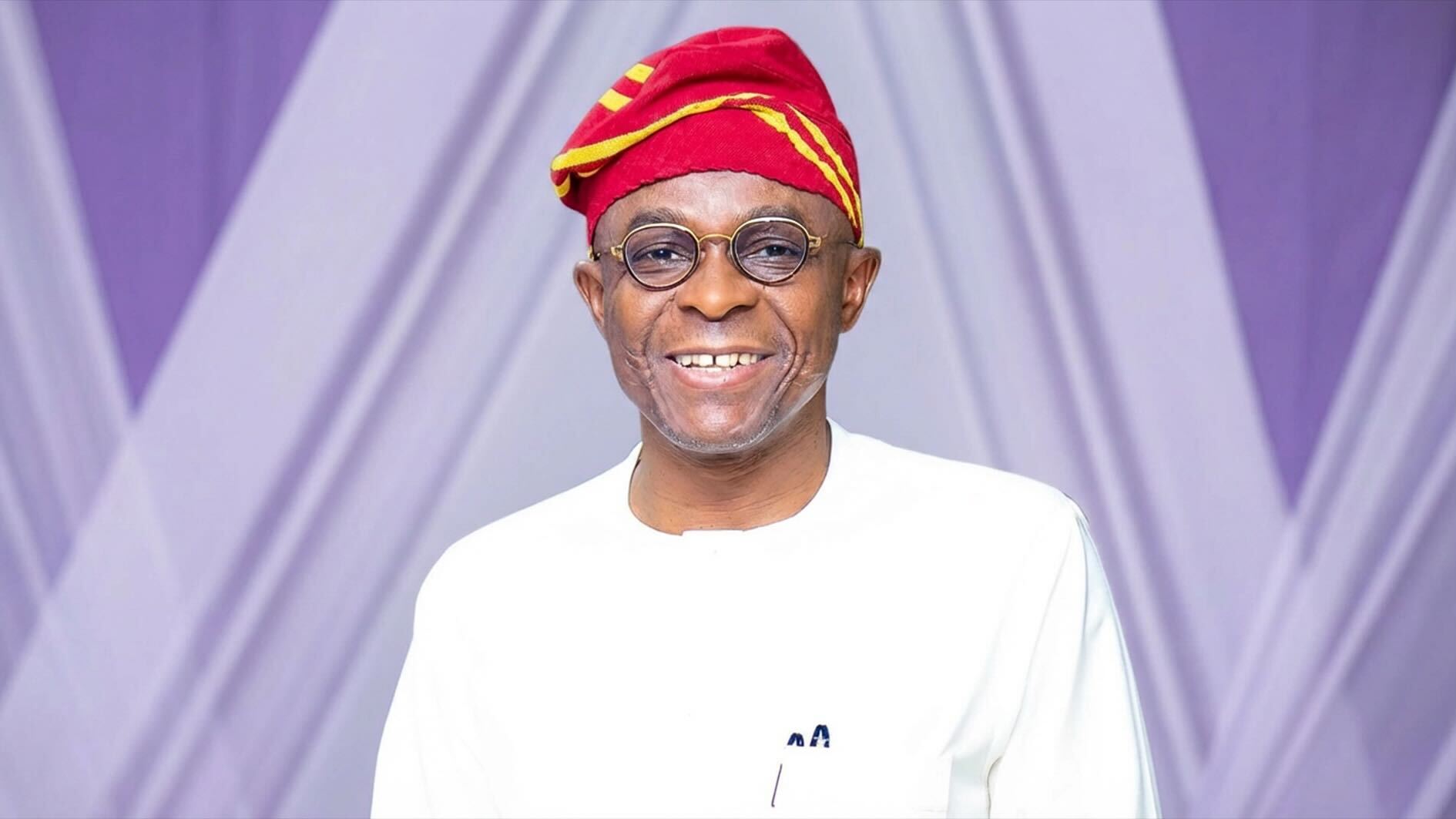
Stakeholders call for AI, IoT, blockchain, and automation in Nigerian ports to boost efficiency, reduce costs, and enhance global competitiveness under AfCFTA.
AMATO launches a rescue team and inaugurates new executives to address safety and operational challenges for truckers servicing Lagos seaports.
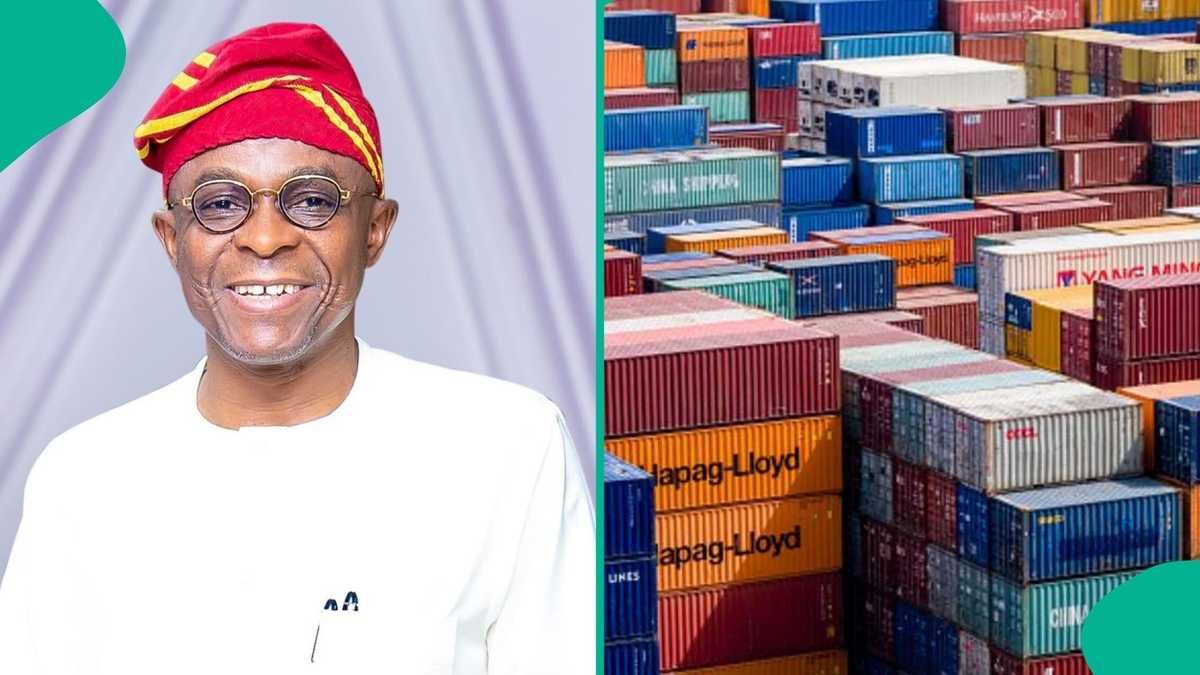
Nigeria launches major port reforms to boost efficiency and capture regional cargo flows under AfCFTA, targeting 25% cargo share with $1 billion upgrades.

Nigerdock has commenced operations at Snake Island Port in partnership with the Federal Government, marking 40 years in Nigeria's maritime sector and enhancing cargo handling and trade efficiency.
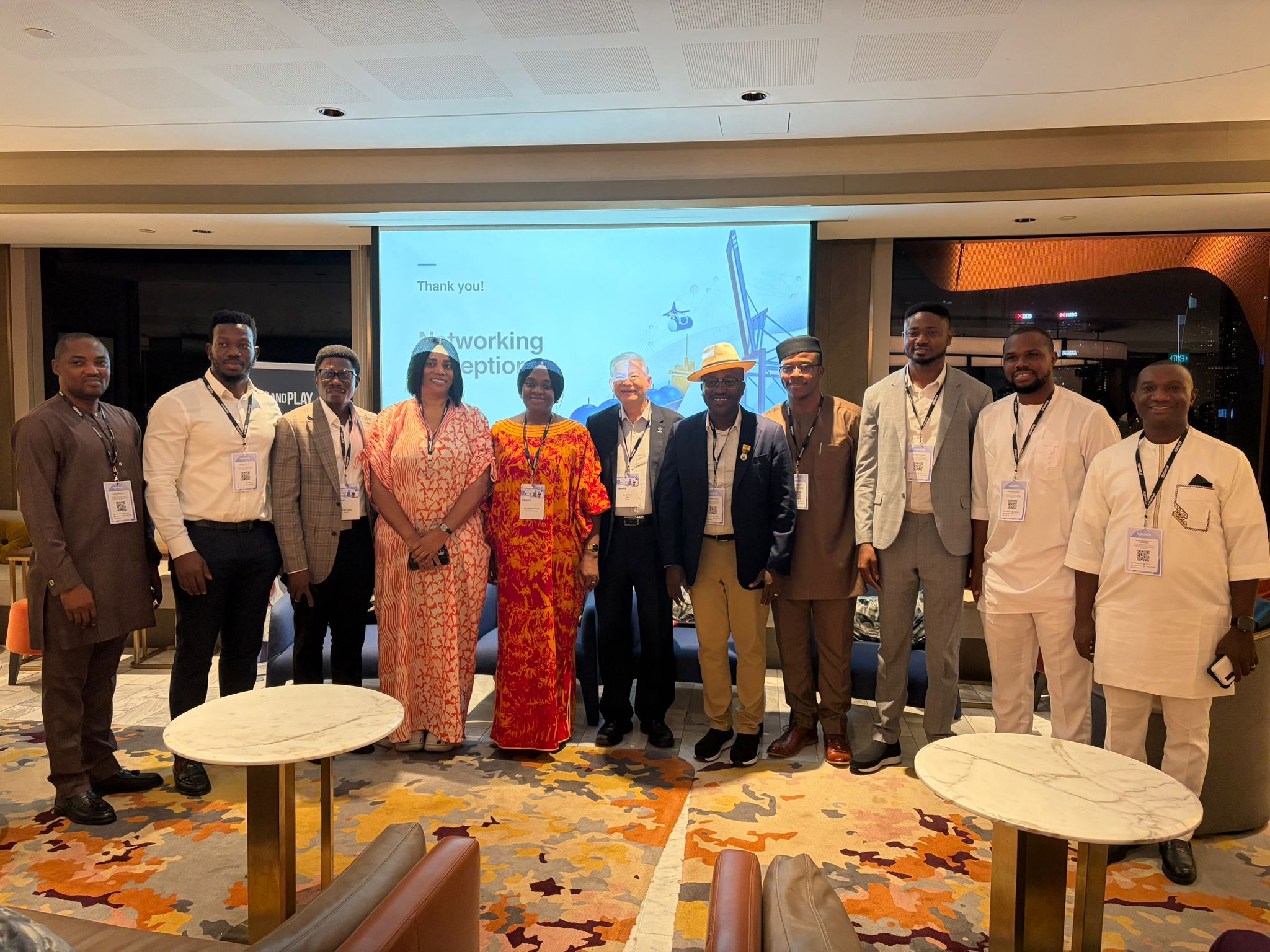
NIMENA calls for stronger local capacity in Nigeria's maritime sector, emphasizing technical sovereignty, indigenous classification, and the Triple Helix model.
The Nigerian Shippers' Council board supports APM Terminals' $600 million reinvestment, praising its operational standards and export growth.
AMJON will honour Dr. Prevail Ahmed, Dr. Festus Nwiue, Comrade Hannah Funmilola, and others at its 2026 conference in Lagos, focusing on port efficiency and technology.
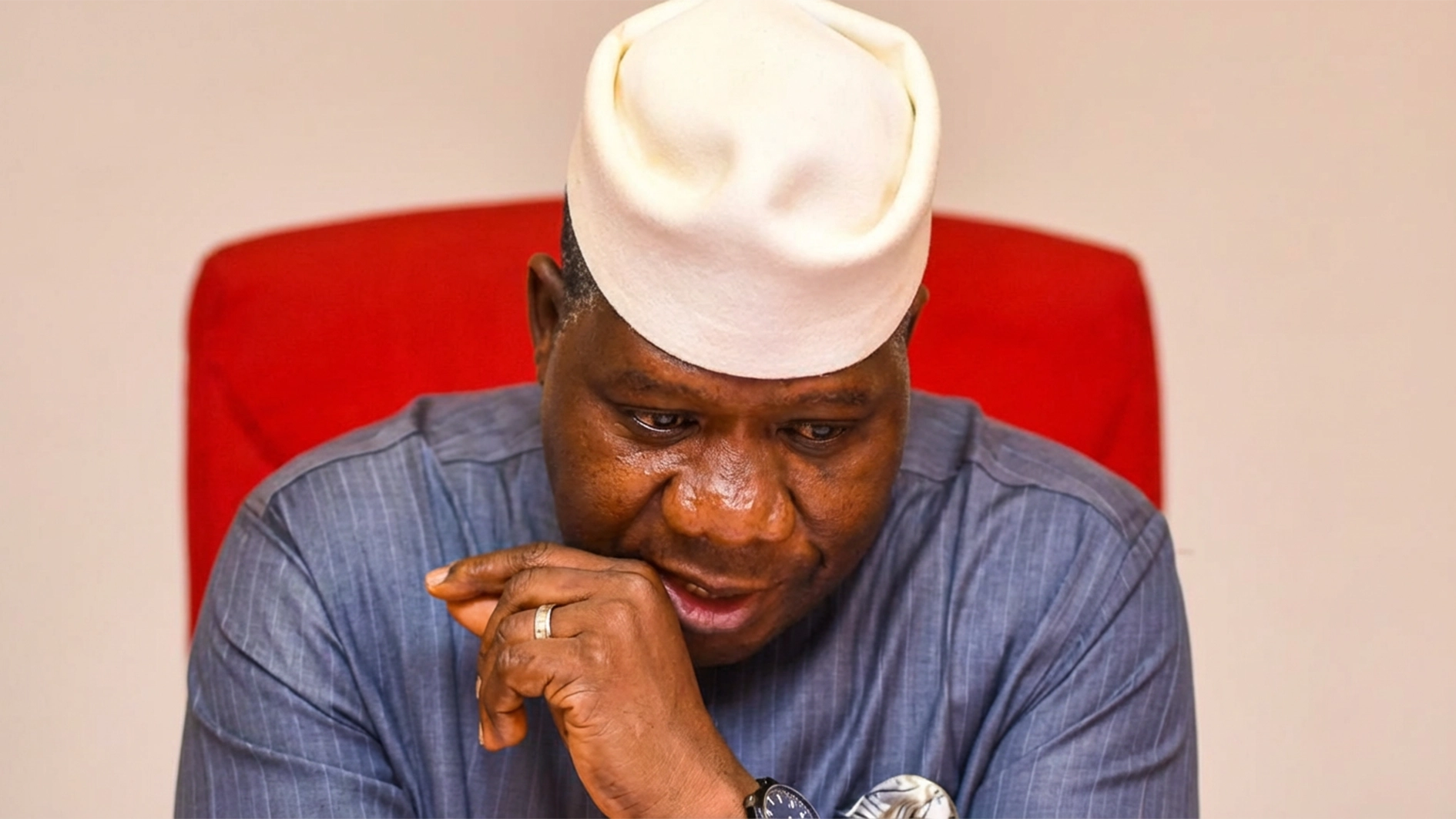
The Senate passed the revised Nigerian Port Economic Regulatory Agency bill to address port inefficiencies, reduce charges, and improve cargo movement. A new report reveals Nigerian ports have 475% dwell times.
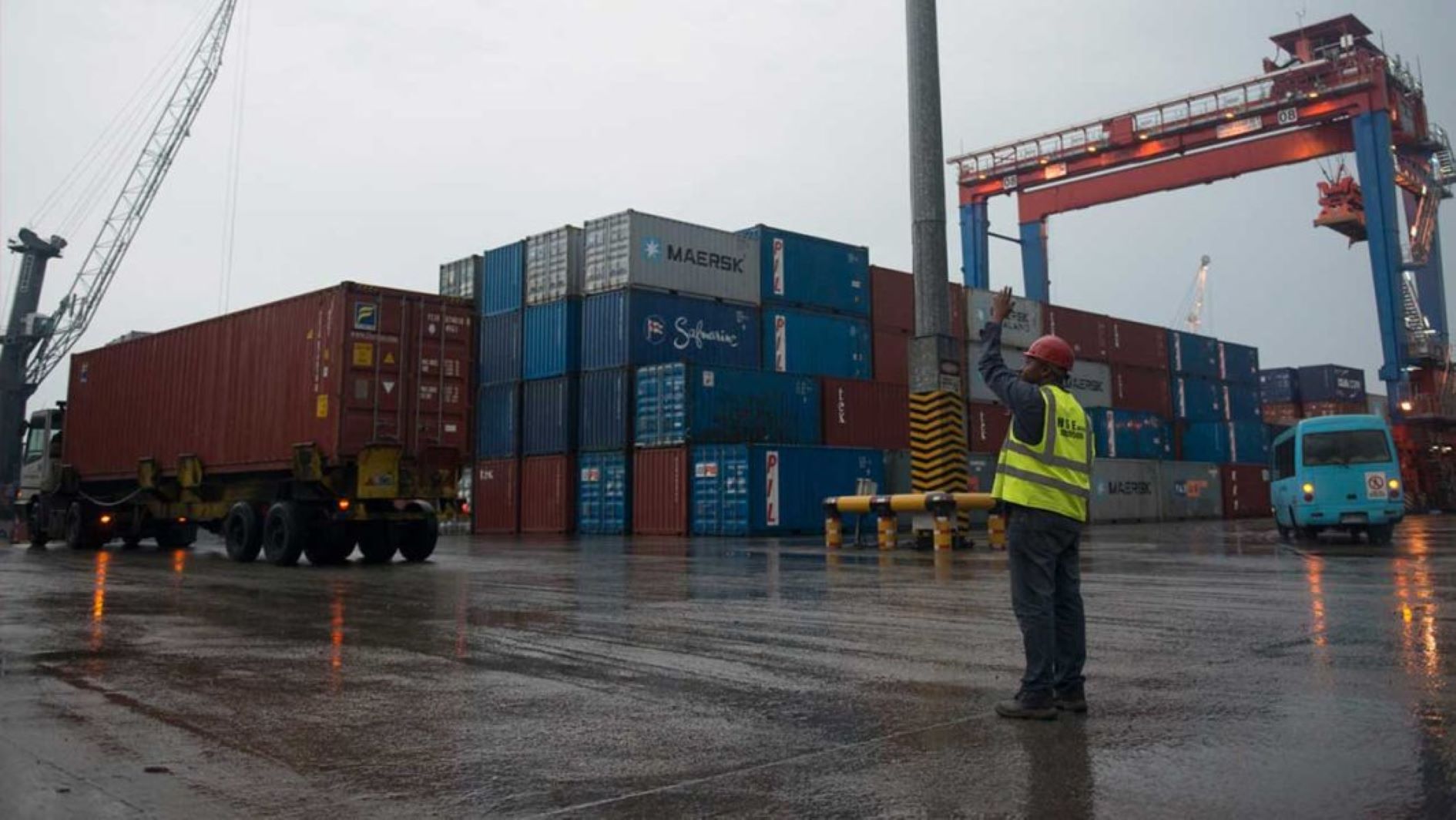
APM Terminals Apapa integrates Nigeria Customs Service operations into its facility, aiming to improve cargo handling, accelerate clearance, and reduce port congestion.

Maritime stakeholders warn that lack of coordinated investments in infrastructure and power could hinder Nigeria's smart port transition, affecting global trade competitiveness.
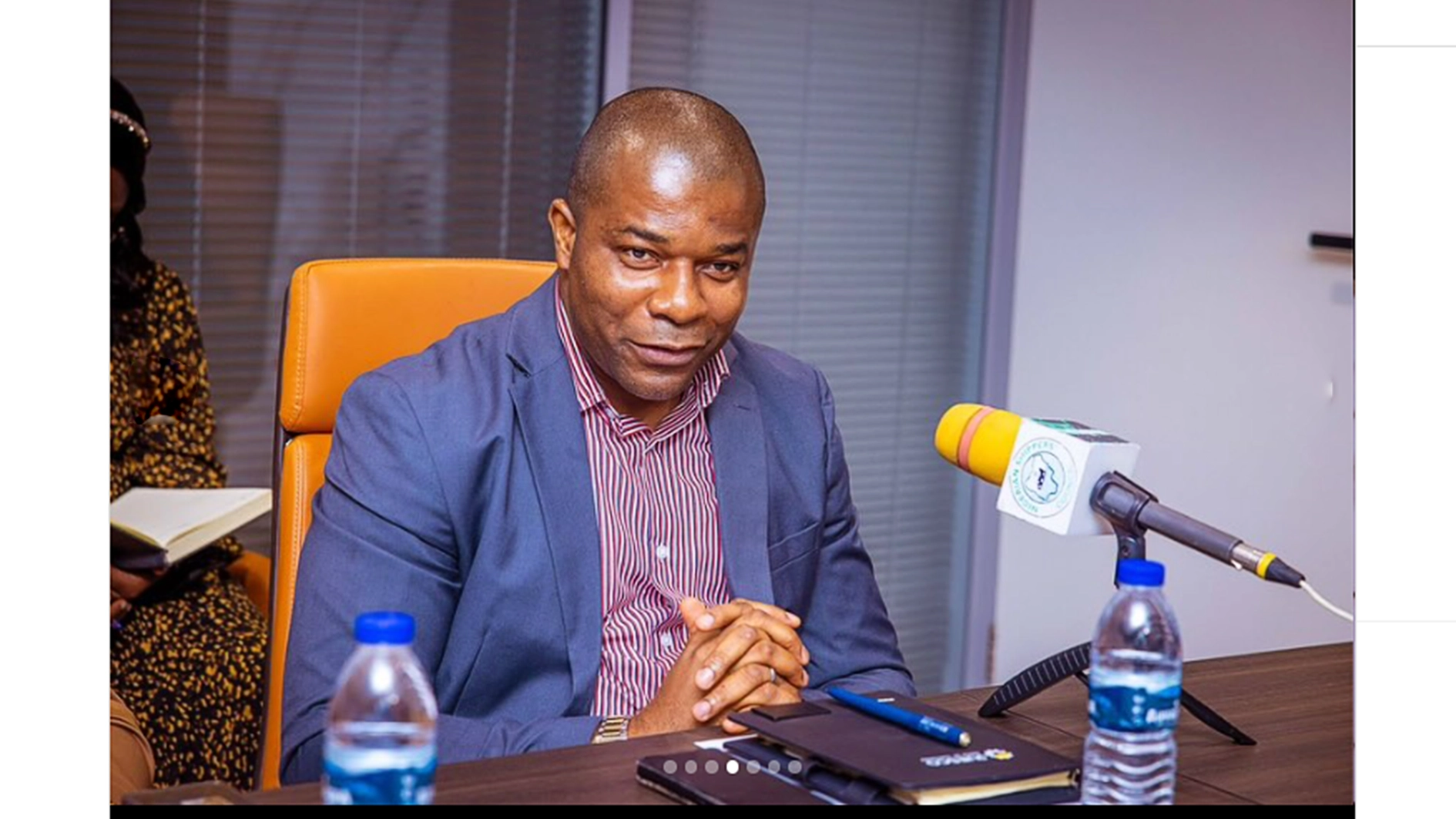
The Federal Ministry of Marine and Blue Economy plans to approve a digital pricing framework for freight forwarding services to ensure transparency and global best practice.
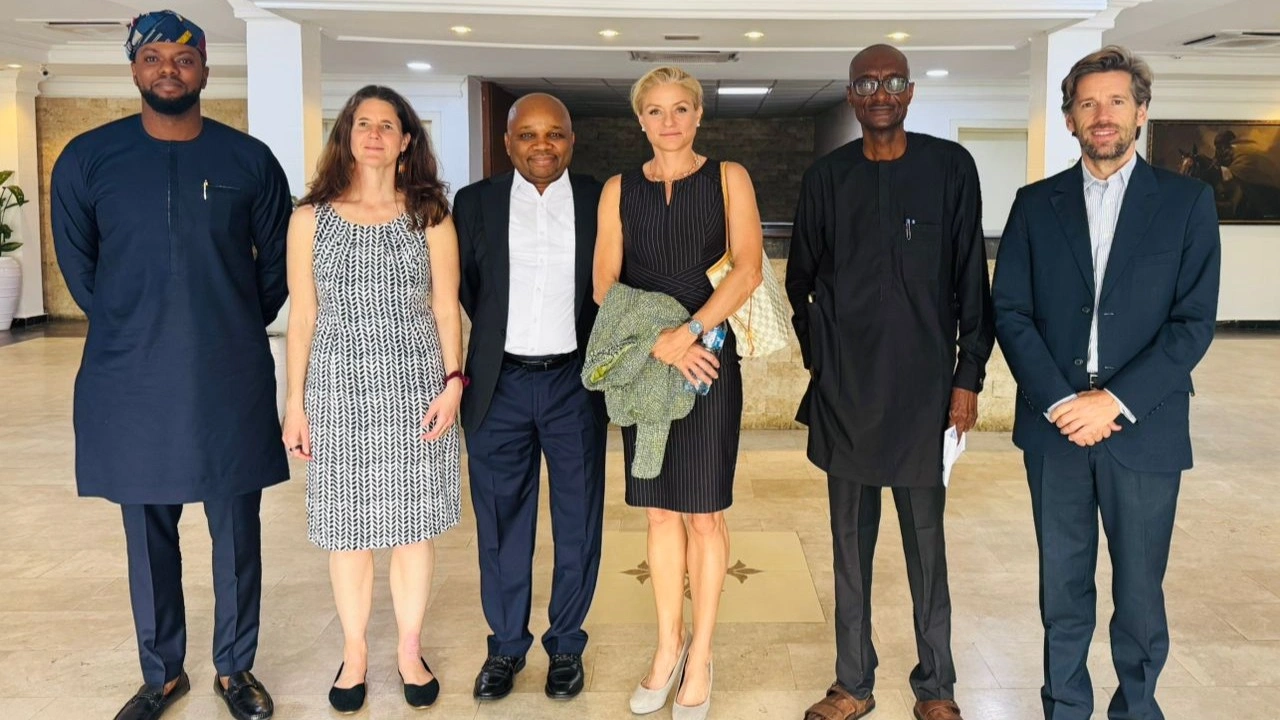
Nigeria is pursuing blue finance partnerships at the Our Ocean Conference in Mombasa, aiming to mobilize resources for sustainable blue economy projects across Africa.
Freight forwarders condemn Grimaldi Group's sale of empty containers in USD, calling it a threat to Nigeria's economic stability and the Naira.

Governor Oborevwori integrates electricity reforms with blue economy investments to transform Delta State into an industrial and maritime hub.

Darlington Ofor highlights how logistics and infrastructure deficits hinder Nigeria's economic diversification and growth, urging stronger public-private collaboration.

Darlington Nnabugo Ofor highlights logistics as a critical pillar for Nigeria's economic growth, citing infrastructure gaps and supply chain inefficiencies that constrain productivity across industries.
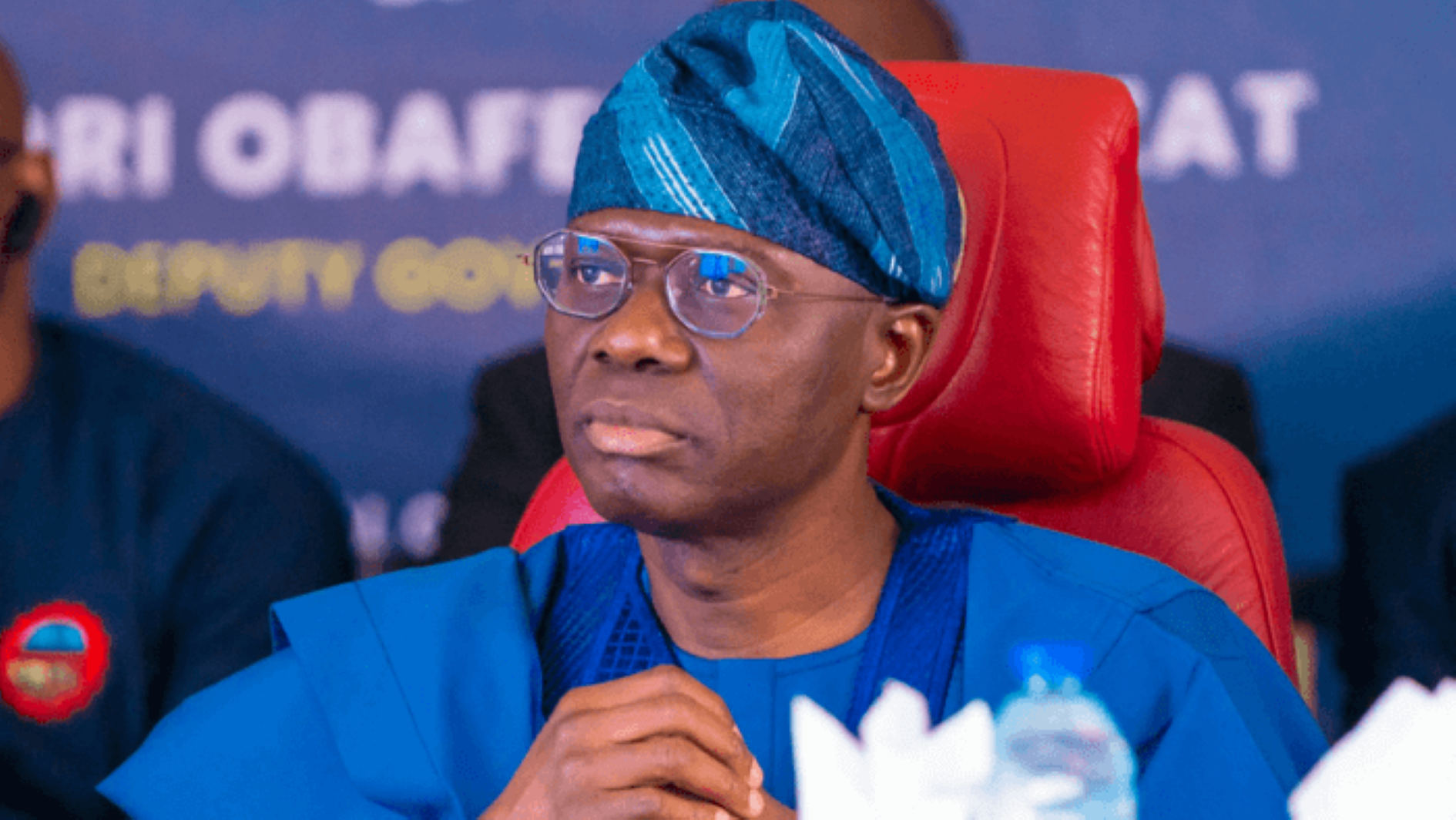
Lagos Governor Babajide Sanwo-Olu and NDLEA Chairman Mohammed Marwa have raised alarm over rising criminal networks exploiting technology and regulatory gaps in Nigeria's maritime space.
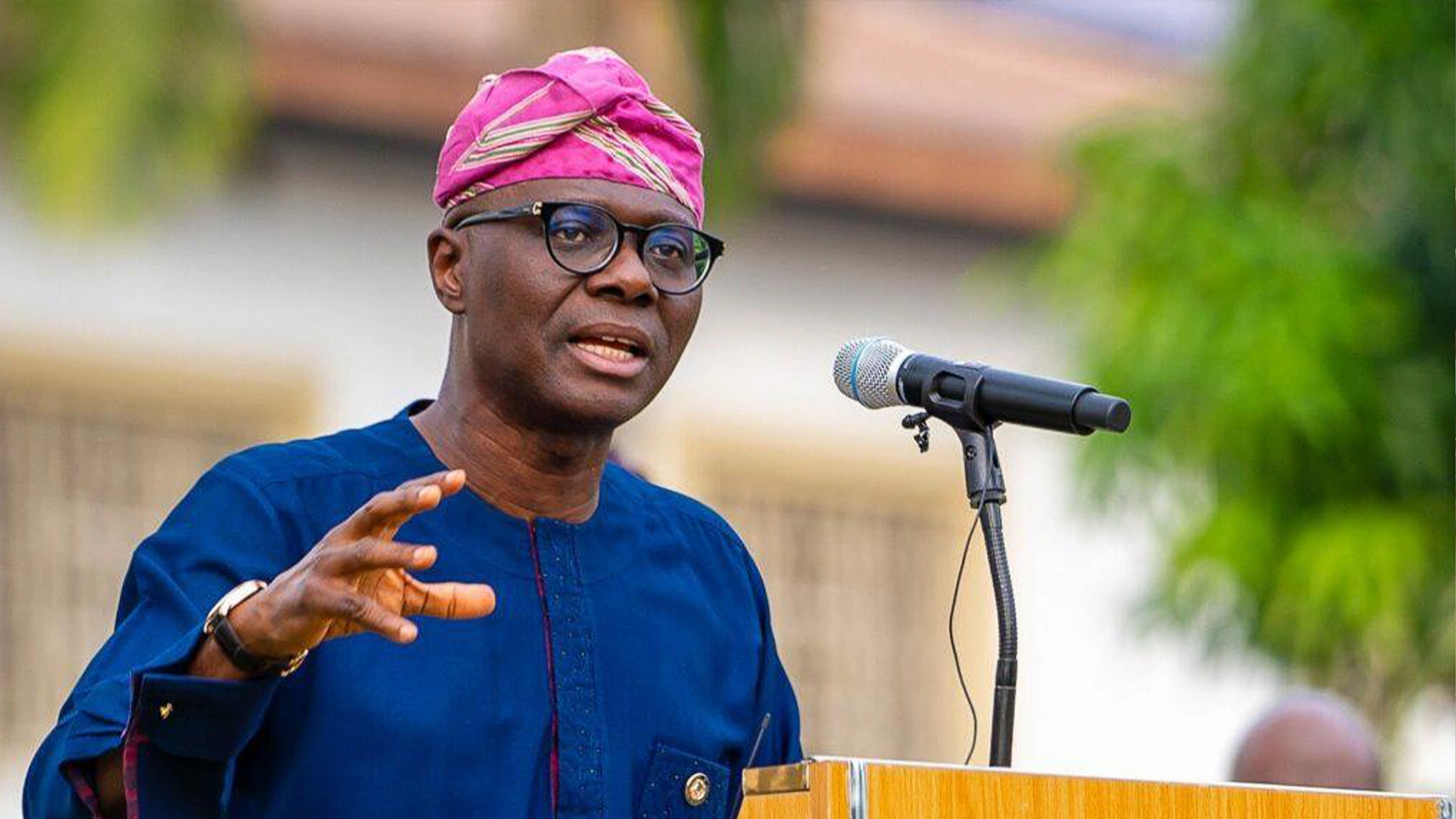
Lagos Governor Babajide Sanwo-Olu and NDLEA Chairman Marwa warn against increasing maritime security threats, calling for collaboration to protect Nigeria's blue economy.
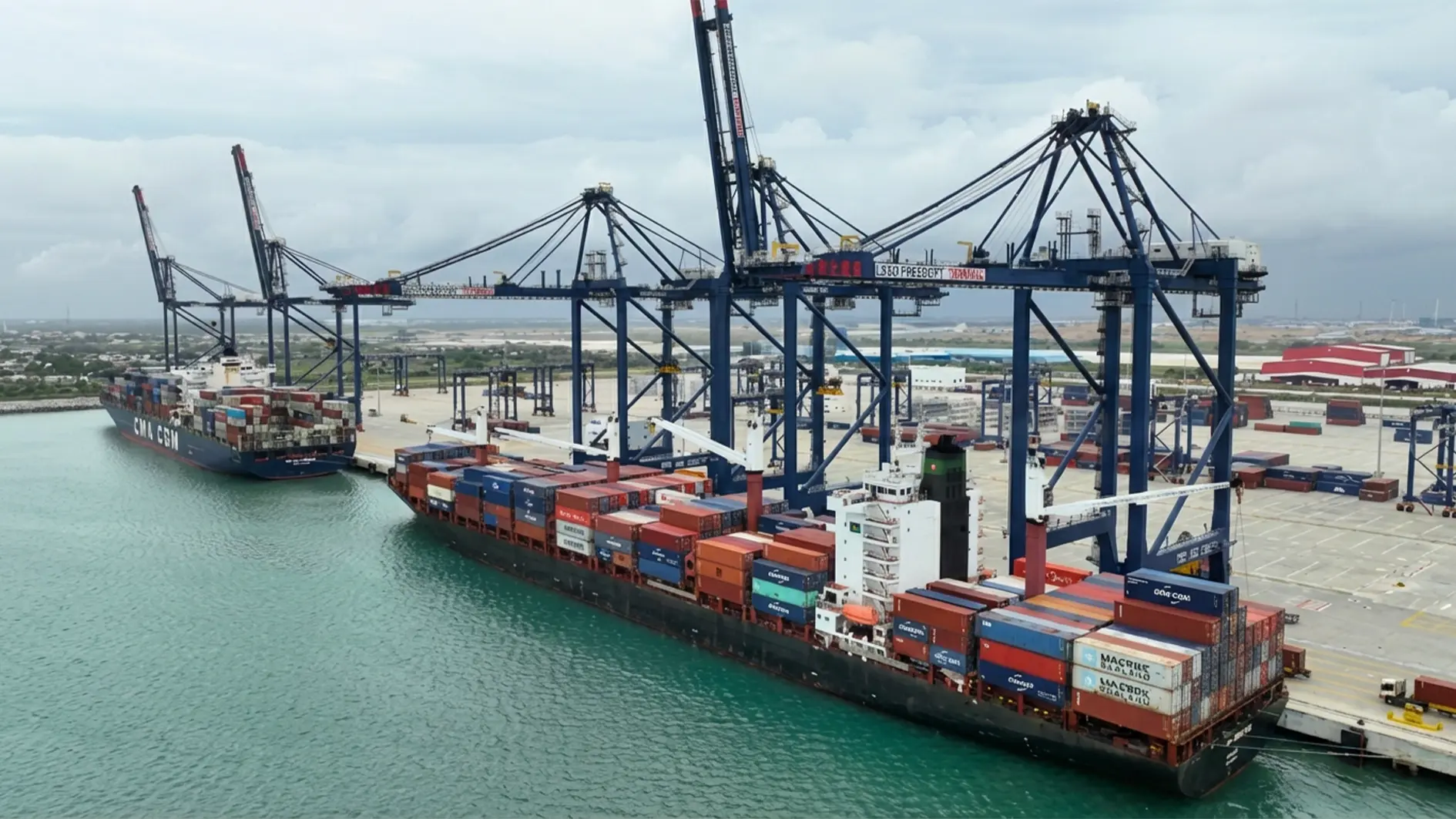
A presidential advisory paper by SEREC highlights that Nigeria loses nearly N8 trillion yearly due to maritime inefficiencies, misaligned policies, and weak execution, threatening economic growth and regional competitiveness under AfCFTA.
The Shipping Association of Nigeria has raised concerns with the National Assembly about operational inefficiencies, inadequate tugboats, double billing, and security lapses at ports, impacting costs and competitiveness.
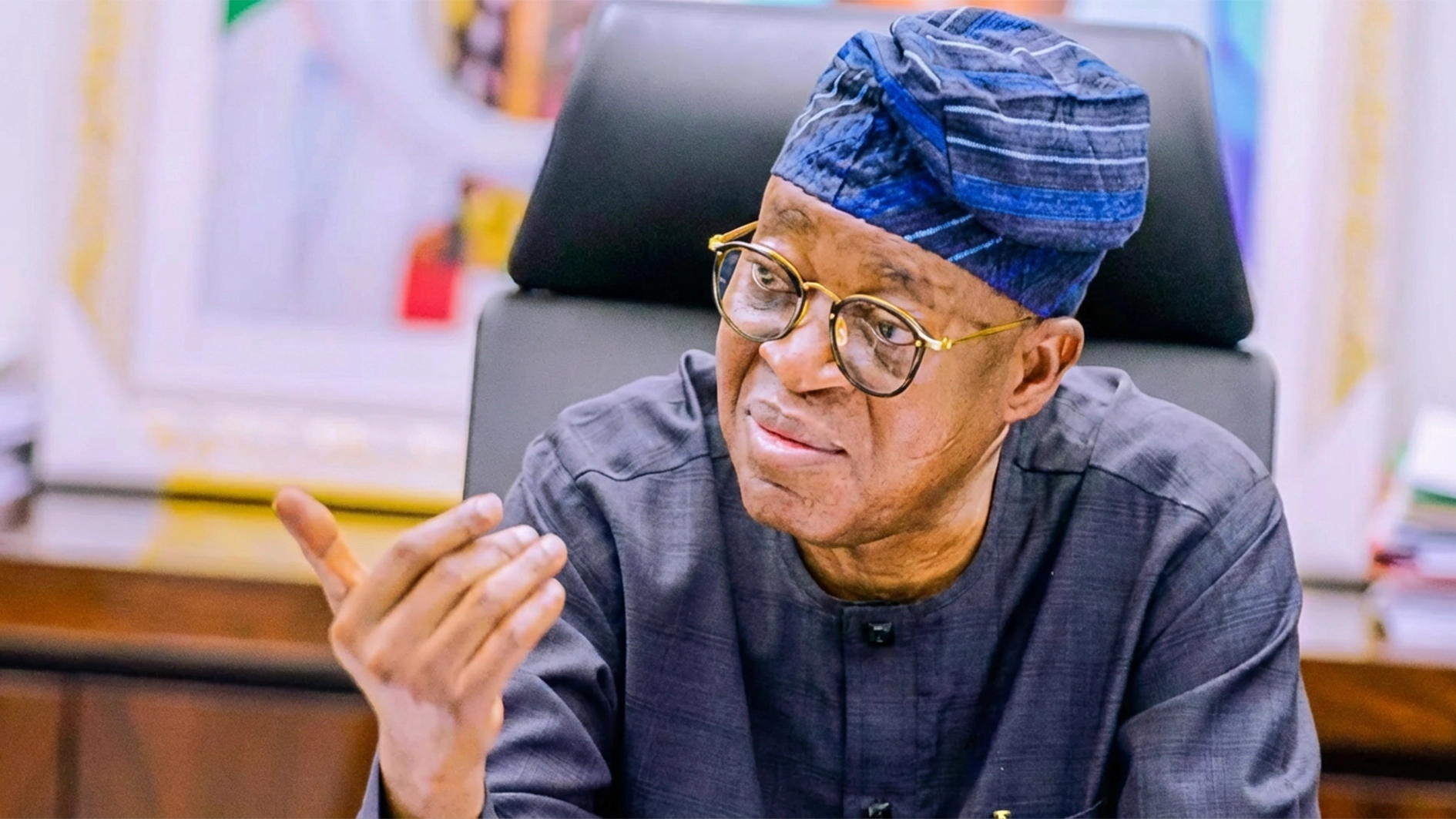
Key stakeholders will gather in Rivers State to deliberate on aligning Special Economic Zones with Nigeria's blue economy agenda to drive sustainable growth and achieve a $1 trillion target by 2030.
The chairman of Bras Marine criticizes Nigeria's high import duties on boats, arguing they push buyers to used vessels and hinder growth in water transportation.