Ubongo Transforms TV and Radio into Classrooms for Sub-Saharan Africa
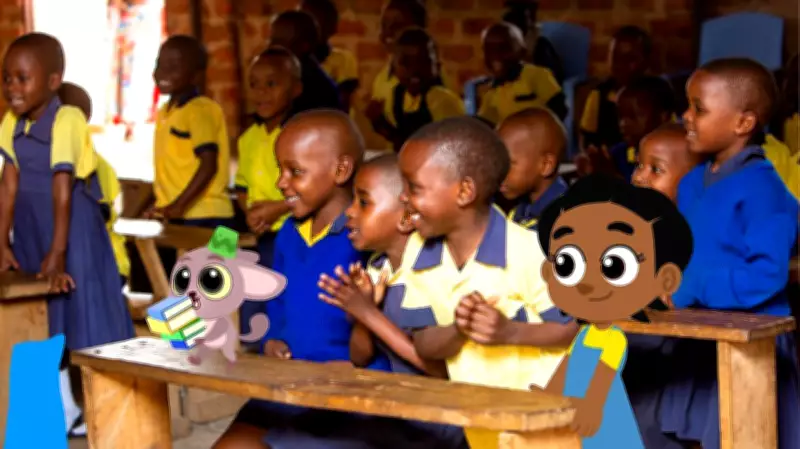
In the early morning hours of rural Chikutu, located in Malawi's Nkhata Bay district, children rise with the sun to the calls of roosters, preparing for a day filled with chores like fetching water. For many, attending a traditional school is not feasible due to distance, while internet connectivity is sporadic and smartphones are scarce. However, as families begin their routines, a small battery-powered radio springs to life, filling the air with songs, stories, and lessons in Chichewa, the local language. For these children, this broadcast serves as their primary classroom, a scene replicated daily across numerous African communities.
The Critical Role of Broadcast Media in Education
Across Africa, where physical classrooms are often inaccessible and digital learning options are limited, television and radio have emerged as vital educational tools. These mediums are not merely sources of entertainment but are fundamental to facilitating learning. African broadcasters, though frequently overlooked, play a central role in this educational ecosystem. For millions of families, broadcast media remains the most accessible and dependable method to obtain educational content, as radios do not require data and televisions do not necessitate smartphones. A single broadcast can serve entire communities simultaneously without imposing financial burdens on households.
According to UNESCO estimates, radio reaches more than 75 percent of households globally, including many remote and low-income areas, establishing it as one of the most extensive educational instruments available. This reality has been integral to Ubongo's mission since its inception over a decade ago. Initially, African broadcasters recognized the value of locally produced educational content and allocated airtime for it, fostering a partnership that has enabled Ubongo to expand its reach to over 48 million households across the continent.
Partnerships and Community Engagement
What distinguishes African broadcasters is their deep connection to the communities they serve. They are familiar with the languages spoken at home and understand the challenges faced by parents, treating education as an essential public service rather than an afterthought. In Malawi, for instance, Ubongo has collaborated closely with the Malawi Broadcasting Corporation since 2021. MBC has consistently prioritized educational programming, exemplified by its Holiday Special Programme in December 2022, which provided learning and joy during a period of economic hardship. The station contributed ideas, production support, promotion, and national coverage, creating a shared learning experience for families during school holidays.
The significance of broadcast media was further highlighted during the COVID-19 pandemic, when online learning was inaccessible to many underserved families. Globally, over 90 percent of countries utilized television and radio to support education during school closures. Broadcasters extended airtime, repeated episodes, and worked with education ministries to establish dedicated learning hours. Through these efforts, Ubongo reached 24.6 million families during the pandemic, offering crucial learning support that might otherwise have been absent.
Sustained Impact and Future Goals
Broadcasting is not only a solution for emergencies but also plays a continuous role in everyday education. Children and parents gather around radios and shared televisions, engaging in lessons together in local languages, which enhances literacy, numeracy, and problem-solving skills, particularly for marginalized learners. Today, Ubongo partners with more than 80 broadcasters across 23 countries, delivering content in 13 languages, including Kiswahili, Chichewa, Hausa, Kinyarwanda, French, and English. Families access these programmes through free-to-air TV, radio, pay TV, and on-demand platforms, forming the backbone of Ubongo's ambition to reach 100 million children by 2028.
Ubongo's five-year strategy focuses on 19 priority markets, integrating broadcast with digital and last-mile channels to support both foundational and supplementary learning. This vision relies on broadcasters who invest in children's education, demonstrating resilience amid financial pressures and evolving media landscapes. Recognizing these partners is essential for acknowledging their role in promoting equitable access to learning.
Looking ahead, there is a need for expanded children's programming, continued investment in local language adaptations, and enhanced co-creation efforts, such as national learning campaigns. Television and radio remain the most powerful tools for reaching every child, regardless of location. Together with Africa's broadcasters, Ubongo aims to build the continent's largest classroom, ensuring no child is excluded from educational opportunities.