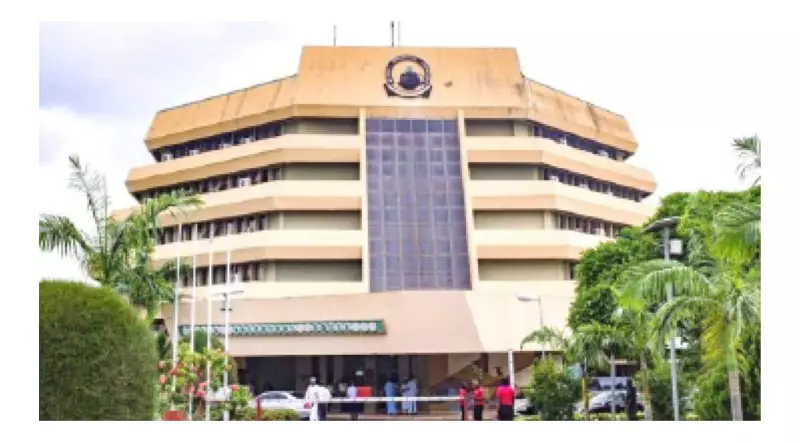
The Federal Government has taken a decisive step to curb the commercialization and misuse of honorary doctorate degrees in Nigeria's higher education system. In a significant policy shift, universities across the country have been explicitly prohibited from conferring these academic honors on serving political officeholders.
NUC Takes Firm Stance Against Degree Misuse
Professor Abdullahi Ribadu, the Executive Secretary of the National Universities Commission (NUC), made this announcement in Abuja on Friday, November 21, 2025. The declaration came during his reception of the report from the Committee on the Misuse of Honorary Doctorate Degrees by Recipients in Nigeria.
The NUC chief revealed a disturbing trend where some individuals reportedly pay as much as N50 million to obtain these honorary titles from institutions. This practice has raised serious concerns about the integrity of Nigeria's academic honors system and the potential for corruption.
Crackdown on Commercialization of Academic Honors
The Federal Government's clampdown specifically targets the growing phenomenon of serving politicians acquiring honorary degrees while still in office. This practice has become increasingly common in recent years, with many political figures using the titles to bolster their public profiles.
The timing of this announcement, coming from the NUC headquarters in Abuja, signals the government's commitment to restoring credibility to Nigeria's educational institutions. The move aims to prevent the perception that academic honors can be purchased rather than earned through genuine scholarly or societal contributions.
Implications for Nigeria's Education Sector
This policy shift represents a significant step toward maintaining academic integrity and preventing the devaluation of honorary degrees. By restricting these awards from being given to serving politicians, the government hopes to preserve the prestige associated with such honors.
The NUC's action comes amid growing public concern about the commercialization of education and the need to uphold ethical standards in Nigeria's university system. The revelation that some individuals pay millions of naira for these titles has sparked widespread debate about academic ethics and institutional integrity.
As the National Universities Commission begins implementing these new guidelines, universities across Nigeria are expected to comply with the directive immediately. The move is seen as part of broader efforts to reform the country's education sector and combat practices that undermine academic excellence.