Exhumation and DNA Results End Nearly 20-Year Inheritance Battle
Nearly two decades after the death of legendary Ugandan musician Paul Job Kafeero, his remains were exhumed under a court order as part of a long-running inheritance dispute that ended with DNA tests confirming only four of the 25 people claiming to be his children were biologically related to him.
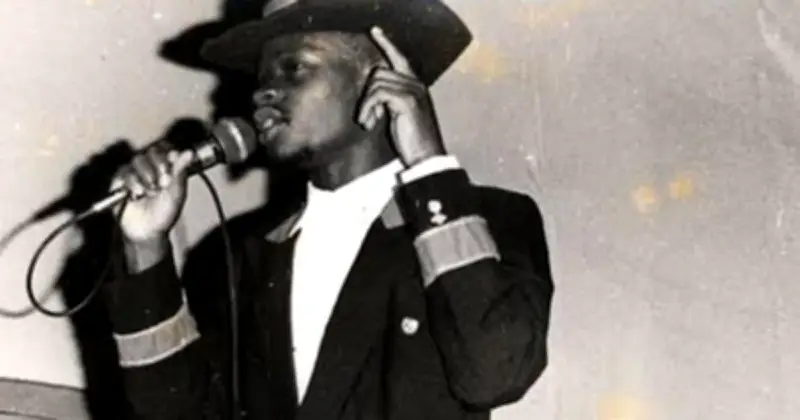
Kafeero, one of Uganda's most celebrated Kadongo Kamu musicians, died in 2007 at the age of 36, leaving behind a multi-billion Ugandan shilling estate that included land, houses, music royalties and other assets. Because he died without a will, disputes over his estate and lineage persisted for years as dozens of people came forward claiming to be his children.
Court-Authorised Exhumation and Forensic Analysis
After years of legal battles, a Ugandan court authorised the exhumation of the late musician's body to obtain direct DNA samples that could conclusively determine the paternity claims. The exhumation was carried out on June 1, 2026, under the supervision of Government Chief Pathologist Dr. Moses Byaruhanga and a team of forensic experts. Bone and tissue samples, including from the femur, jaw, skull and hair, were collected and analysed by the Government Analytical Laboratory and the Uganda Police Forensic Services Laboratory.
The results, announced on June 25 at the Uganda Police Headquarters in Naguru, confirmed that only four of the 25 claimants were Kafeero's biological children. The four confirmed children are: Simon Peter Kafeero, Elizabeth Nagawa, Thomas Kafeero (also known as Schwarz), and Benedict (Benedicto) Kafeero (also known as Dube). The remaining 21 claimants were excluded as Kafeero's biological children, bringing scientific clarity to one of Uganda's longest-running inheritance disputes.
Official Statements and Emotional Reactions
According to Acting Assistant Inspector General of Police Andrew Mubiru, who presented the findings, the forensic results provide a definitive basis for determining the rightful heirs to Kafeero's estate. "Science does not lie," officials from the Government Analytical Laboratory said while announcing the matching findings from both laboratories, urging the family to allow the dispute to come to an end.
The latest DNA exercise also confirmed the findings of an earlier test conducted in 2019, which had identified the same four biological children. However, because that earlier analysis relied on indirect DNA comparisons rather than samples taken directly from Kafeero's remains, some claimants challenged the results in court, leading to the eventual exhumation.
The announcement sparked emotional scenes in Kampala, with some unsuccessful claimants breaking down in tears while the four confirmed children welcomed the outcome. Although several family members expressed hope that the findings would finally bring closure, some of those excluded said they intended to challenge the results through legal channels.
Impact on Estate Settlement
The DNA findings are expected to play a crucial role in the ongoing administration of Kafeero's estate by determining who is legally entitled to inherit his assets and music royalties, ending a dispute that has lingered for nearly 20 years after the musician's death.