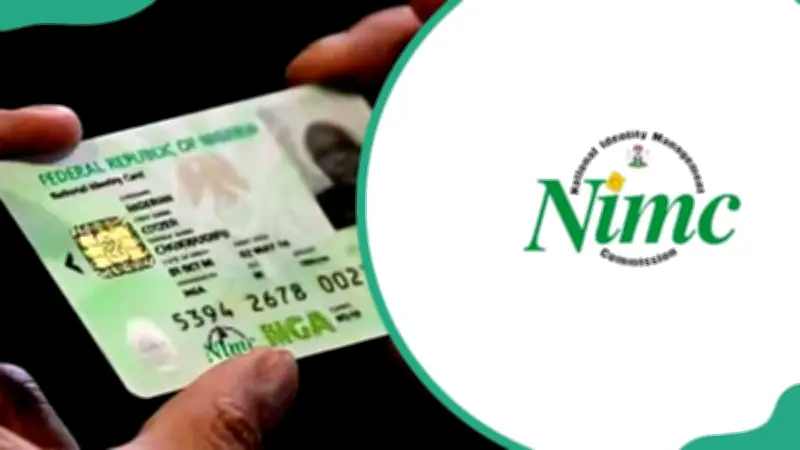
The Federal Government has integrated the National Identification Numbers (NINs) of 15.65 million Nigerians into the National Social Register, a move aimed at strengthening cash transfers to poor and vulnerable households. The National Social Safety-Nets Coordinating Office (NASSCO) disclosed the figures, revealing that more than 13.3 million households have had their records updated across 771 local government areas in Nigeria's 36 states and the Federal Capital Territory as of October 2026.
Household Updates and NIN Integration Progress
According to NASSCO, the National Social Register currently contains 21,114,531 households comprising 83,162,654 individuals. Of these, 13,330,387 households have been updated, representing 63.13 per cent of the registered total. However, approximately 7.78 million households, or 36.87 per cent, are yet to be covered by the reported updates.
NASSCO further revealed that 11,347,989 households have at least one member whose NIN has been integrated into the register, according to a report by Punch. This represents 53.74 per cent of registered households, while the 15,653,374 individuals with integrated NINs account for just 18.82 per cent of all individuals listed. The figures indicate that millions of registered Nigerians still lack NIN integration, although this does not necessarily mean they are excluded from government assistance.
Cash Transfers Disbursement and World Bank Recommendations
The development comes as the Federal Government intensifies efforts to expand financial support amid rising living costs and economic hardship. According to the World Bank's latest Nigeria Development Update, the government disbursed N658.9 billion in direct cash transfers to 10.46 million poor and vulnerable households as of September 2026. However, the World Bank has urged authorities to expand coverage, improve payment amounts and ensure beneficiaries receive assistance more consistently.
Importantly, inclusion in the National Social Register or NIN integration does not automatically guarantee a cash transfer. The register primarily serves as a database for identifying potentially eligible beneficiaries of government social protection programmes.
State-by-State Disparities in Coverage
A state-by-state breakdown revealed substantial disparities in household record updates. Ebonyi State recorded the highest coverage nationwide at 88.08 per cent, followed by Enugu at 86.62 per cent and Kano at 86.18 per cent. Kogi followed with 80.61 per cent, Ekiti recorded 80.25 per cent, Zamfara posted 78.74 per cent, while Bauchi achieved 78.16 per cent.
At the opposite end, Delta recorded the lowest coverage at 25.31 per cent, followed by Lagos at 35.36 per cent and Borno at 38.18 per cent. Oyo recorded 41.28 per cent, while Sokoto reached 41.61 per cent. The 62.77-percentage-point difference between Ebonyi and Delta highlights the uneven progress in updating records nationwide.
Implications for Beneficiaries and Future Steps
NASSCO said the integration would strengthen data quality, improve beneficiary verification and promote transparency in social protection programmes. For millions of vulnerable Nigerians, however, the critical issue remains whether improved identification will translate into timely and consistent financial assistance. With millions of household records still awaiting updates, expanding coverage and ensuring reliable payments remain major challenges for the government's cash transfer programme.
Legit.ng earlier reported that President Bola Tinubu has directed the National Identity Management Commission (NIMC) to accelerate NIN enrollment across Nigeria, setting a target of 95% coverage by December 2026. The directive comes as NIN enrolment has climbed to about 142 million Nigerians and legal residents, up from more than 80 million when Tinubu assumed office.