Kenya's Motorcycle Ambulance Initiative Sparks Healthcare Debate
The Laikipia County Government's recent introduction of motorcycle ambulances has generated significant public controversy across Kenya, with citizens expressing disbelief, sarcasm, and anger toward the initiative designed to improve maternal and child healthcare in remote areas.
Public Reaction and Safety Concerns
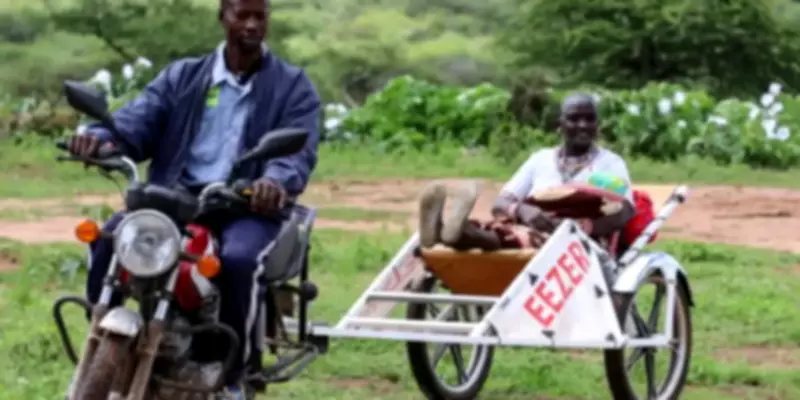
Images of the newly unveiled motorcycle ambulances, some equipped with patient trailers, circulated rapidly on social media platform X within hours of their launch on February 4, 2026. The visual documentation prompted thousands of critical reactions from Kenyans who questioned the safety, dignity, and overall priorities of healthcare delivery in their country.
Many citizens expressed skepticism about whether pregnant women and critically ill patients could be transported safely and humanely using motorcycle-based vehicles, even with attached trailers. The public debate has centered on whether this represents a practical solution or a reduction in healthcare standards for vulnerable populations.
Official Justification and Implementation Details
County officials have vigorously defended the initiative, describing it as a practical, life-saving intervention rather than a compromise in healthcare quality. Albert Taiti, the Laikipia County Executive for Health, emphasized the deliberate nature of this decision during the launch ceremony.
"Today, we are excited to be launching the pilot for motorcycle ambulances in collaboration with the Eezer Initiative. This comes at a time when the county is working hard to improve maternal and child health outcomes," Dr. Taiti stated.
The health official explained that the county continues to face significant challenges reaching remote communities during medical emergencies. "There are places where a normal ambulance simply cannot reach in time. These motorcycles are meant to respond quickly and save lives," he added, highlighting the geographical constraints of Laikipia North's rugged terrain.
Partnership and Project Scope
The pilot project represents a collaboration between the Laikipia County Government and the Eezer Initiative, a Swedish-backed program focused on improving healthcare access in rural African communities. According to Alfred Sadera, the Eezer Initiative's Laikipia coordinator, the project specifically addresses long-standing access issues that have plagued remote regions.
"We understand the challenges women face when they go into labour far from a health facility. Long distances and poor roads have cost lives. We believe this project addresses that gap," Sadera explained during project discussions.
Currently, five motorcycle ambulances have been deployed across Laikipia North and parts of Laikipia West, targeting areas characterized by:
- Rugged terrain that limits conventional vehicle access
- Poor road networks that hinder emergency response
- Limited availability of traditional ambulance services
- Geographical isolation from healthcare facilities
Broader Healthcare Context and Criticism
Despite official assurances about the program's life-saving potential, public skepticism remains widespread. Many Kenyans have criticized what they perceive as misplaced priorities in a country still grappling with fundamental gaps in basic healthcare infrastructure.
The controversy highlights broader concerns about:
- The adequacy of emergency medical services in remote regions
- Government resource allocation for maternal healthcare
- The balance between innovative solutions and established healthcare standards
- Patient dignity during emergency medical transport
This healthcare initiative continues to generate intense debate as Kenya navigates the complex challenges of providing equitable medical services across diverse geographical landscapes and socioeconomic conditions.