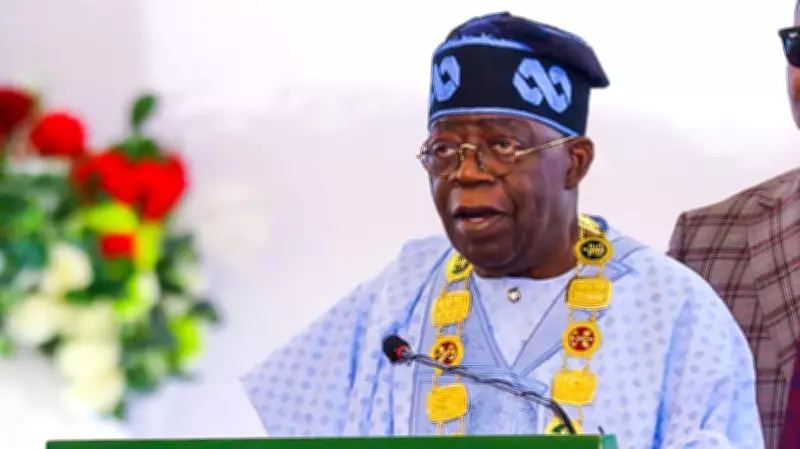
ADC Condemns Tinubu's £746 Million Port Rehabilitation Deal as 'Mugu' Agreement
The African Democratic Congress (ADC) has strongly criticized the £746 million agreement signed by President Bola Tinubu during his state visit to the United Kingdom, labeling it a 'mugu' deal that unfairly favors the UK economy and leaves Nigeria saddled with significant debt. In a detailed statement issued by National Publicity Secretary Bolaji Abdullahi, the ADC argued that while the ruling All Progressives Congress (APC) government has portrayed this as a major diplomatic achievement, it actually represents a substantial win for the UK, which has secured protection for its steel industry and thousands of jobs at Nigeria's expense.
Details of the Controversial Agreement
The ADC highlighted that the agreement, aimed at rehabilitating the Tin Can and Apapa Ports in Lagos, is structured as a commercial loan arrangement with conditions that ensure a large portion of the funds either remains within the UK or is repatriated back. According to information from the UK Government website, the deal is described as a 'major vote of confidence in UK manufacturing' and will be delivered through UK Export Finance's (UKEF) Buyer Credit Facility, arranged by Citibank, N.A., London Branch.
UKEF, as the UK Government's export credit agency, facilitates foreign buyers in accessing financing from commercial banks to procure UK goods and services, typically for projects requiring significant UK content. In essence, UKEF guarantees a loan obtained by a foreign buyer from a commercial bank, which is then used to pay for UK goods and services, with the bank directly compensating UK exporters on behalf of the buyer.
Specific Concerns and Financial Implications
Under this agreement, £236 million of the £746 million in supplier contracts will be awarded to British companies, and British Steel will supply 120,000 tonnes of steel billets under a £70 million contract. This represents the largest UKEF-backed export order for British Steel, directly tied to the port rehabilitation projects. The ADC expressed deep concern that the Nigerian government has entered into such a disadvantageous agreement, seemingly in exchange for ceremonial pomp and foreign validation, while millions of Nigerians continue to grapple with poverty, unemployment, and escalating insecurity.
ADC Demands Full Transparency
The party has called on the Federal Government to provide complete transparency by disclosing comprehensive details of the agreement. Key unanswered questions include:
- What are the repayment terms, including duration and applicable interest rates?
- What percentage of local goods, services, and subcontracting is involved in the project?
- How many direct and indirect jobs will be created for Nigerians?
- What is the project timeline, and when will the ports become fully operational?
- What provisions exist for training, apprenticeships, and skills transfer?
- What are the limits on expatriate staff, and are there defined quotas for SMEs and community benefit obligations?
The ADC emphasized that if the APC government has answers to these questions, it should make them publicly available. Otherwise, Nigerians are justified in concluding that, 66 years after independence, President Tinubu has signed an agreement reminiscent of a colonial-era treaty, potentially mortgaging the country's future for limited value and symbolism.
ADC Chapters Distance Themselves from Legal Action
In a related development, the Lagos and Zamfara state chapters of the ADC have distanced themselves from a court action instituted against the leadership of Senator David Mark. They have pledged loyalty to the current leadership, asserting that it enjoys the confidence of the people and is capable of guiding the ADC to victory in the 2027 elections.