Israeli Leader Seeks Presidential Pardon Amid Corruption Proceedings
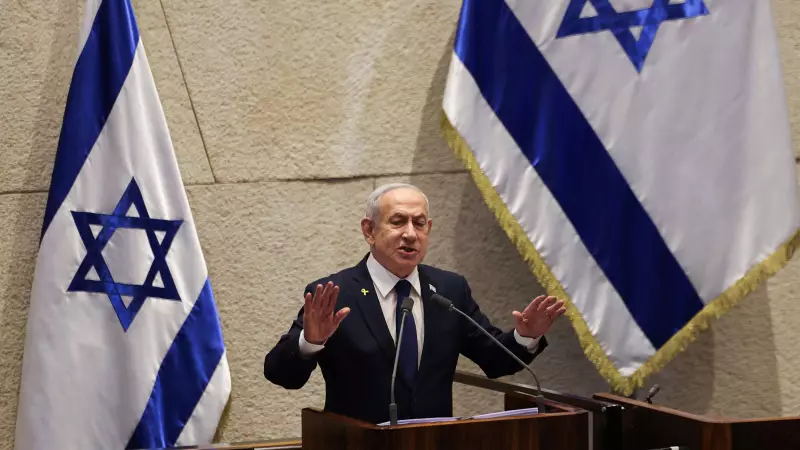
Israeli Prime Minister Benjamin Netanyahu has formally requested a presidential pardon from President Isaac Herzog, marking a significant development in the long-running corruption cases against him. The announcement came on Sunday, November 30, with Netanyahu arguing that the ongoing legal proceedings are creating deep divisions within Israeli society.
In a video message addressing the nation, Netanyahu emphasized that while he had initially intended to pursue the trial until acquittal, the national interest now demands a different approach. "The security and political reality—the national interest—dictate otherwise," stated the prime minister, who has consistently denied all allegations against him.
The Corruption Allegations and Political Context
The corruption cases that have ensnared Netanyahu involve multiple serious allegations. In one prominent case, the prime minister and his wife Sara stand accused of accepting over $260,000 worth of luxury items, including premium cigars, expensive jewelry, and champagne from wealthy businessmen. Prosecutors allege these gifts were provided in exchange for political favors.
Other cases involve allegations that Netanyahu sought favorable media coverage from Israeli news outlets. These legal battles have sharply polarized Israeli society, with Netanyahu's supporters maintaining that the prosecutions are politically motivated rather than based on legitimate legal concerns.
The timing of Netanyahu's pardon request follows closely after former US President Donald Trump sent a letter to President Herzog earlier this month, urging the Israeli leader's pardon. This sequence of events has led critics to describe the move as strategically coordinated.
Legal and Political Reactions to the Pardon Request
The presidential office confirmed receiving Netanyahu's request, describing it as "an extraordinary request which carries with it significant implications." Herzog's administration stated that the president would "responsibly and sincerely consider the request" after gathering all relevant opinions and perspectives.
Opposition figures have responded with strong criticism to Netanyahu's move. Opposition leader Yair Lapid insisted that any pardon must be conditional on Netanyahu's "admission of guilt, an expression of remorse and an immediate withdrawal from political life." Yair Golan of the Democrats offered a more blunt assessment, stating that "only the guilty seek pardon."
However, Netanyahu received support from senior ministers within his government. Defense Minister Israel Katz argued that a pardon would help heal the "deep rift that has accompanied Israeli society for nearly a decade," while Finance Minister Bezalel Smotrich claimed Netanyahu had "been persecuted for years by a corrupt judicial system that fabricated political cases against him."
Legal experts have raised questions about the validity of the pardon request under Israeli law. Professor Eli Salzberger noted that Israeli law typically requires a conviction before a pardon can be granted, suggesting that if the request is denied, it might push Netanyahu toward a plea bargain arrangement that he has previously rejected.
The development comes amid ongoing political turbulence in Israel, where Netanyahu's government had previously proposed sweeping judicial reforms that critics argued would weaken the court system. Those proposals sparked months of massive protests that only subsided after the outbreak of the Gaza war in October 2023.
Netanyahu, who at 76 is Israel's longest-serving prime minister with over 18 years in office across three terms since 1996, has indicated his intention to run in the next elections, which must occur before the end of 2026.
As the nation awaits President Herzog's decision, the pardon request has already prompted public demonstrations, with dozens of protesters gathering outside the president's Tel Aviv residence to voice their opposition to what they see as an attempt to circumvent justice.