House of Representatives Launches Major Probe into $4.6 Billion Health Grants
The House of Representatives has initiated a comprehensive investigation into the management of over $4.6 billion in health sector grants received by Nigeria from international donors between 2021 and 2025. This move comes amid growing concerns about transparency and the effectiveness of these substantial funds aimed at combating major health challenges.
Scope of the Investigation and Key Figures
According to Hon. Amobi Ogar, Chairman of the House Committee on Infectious Diseases, the probe will scrutinize how $2.8 billion from the Global Fund and $1.8 billion from USAID were utilized. These funds were specifically designated to fight HIV/AIDS, tuberculosis, and malaria, while also strengthening Nigeria's overall health systems.
Hon. Ogar emphasized that despite these substantial financial commitments from international partners, Nigeria continues to struggle with high disease burdens. He stated that the investigation is necessary to ensure that international aid targeting Nigeria's health challenges actually delivers tangible results for the Nigerian people.
Push for National Ownership and Transparency
The lawmaker announced a significant policy shift during the investigative hearing inauguration. The era of Nigeria being a passive beneficiary is over, he declared, adding that any assistance that sidelines Nigerian institutions will no longer be tolerated.
Hon. Ogar directed the Federal Ministry of Health and Social Welfare and the Country Coordinating Mechanism to submit operational blueprints for all implementing agencies before accessing future donor funds. He emphasized that about 90% of Nigeria's disease-control programs are financed by foreign partners, making proper oversight crucial.
Health Ministry's Response and Challenges
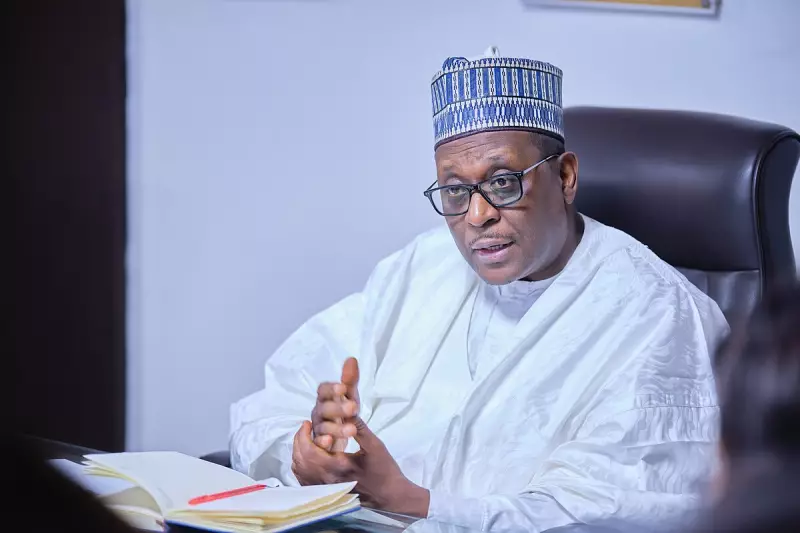
Health and Social Welfare Minister, Prof. Ali Pate, reaffirmed his commitment to transparency and accountability in utilizing health grants. However, he expressed concern about Nigeria's inability to meet its 15% counterpart funding commitment over the years and implored the House to ensure proper appropriation for this purpose.
Prof. Pate also noted that despite the positive contributions of these funds to health sector development, the amount has dwindled drastically in recent times. He revealed that efforts are at an advanced stage to help Nigeria exit its dependence on foreign grants for health purposes.
Health officials attempted to explain that less than 10% of foreign health aid comes as cash, with the majority comprising drugs, technical support, and vehicles. However, lawmakers maintained their insistence on proper oversight of how all grants are disbursed and expended.
National Assembly's Commitment to Governance
Hon. Ibrahim Isiaka, speaking on behalf of Speaker Hon. Tajudeen Abbas, reaffirmed the National Assembly's commitment to transparency and sound governance. He stated that the investigation will produce an evidence-based report detailing how the grants were obtained, disbursed, and applied, ultimately strengthening accountability structures in Nigeria's health system.
The House also commended the Speaker for expanding the committee's mandate and renaming it the Committee on Infectious Diseases to reflect broader public health oversight responsibilities.