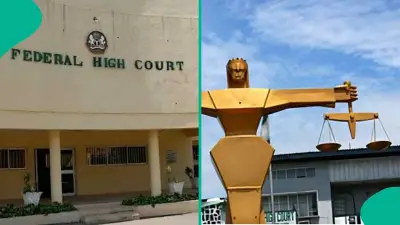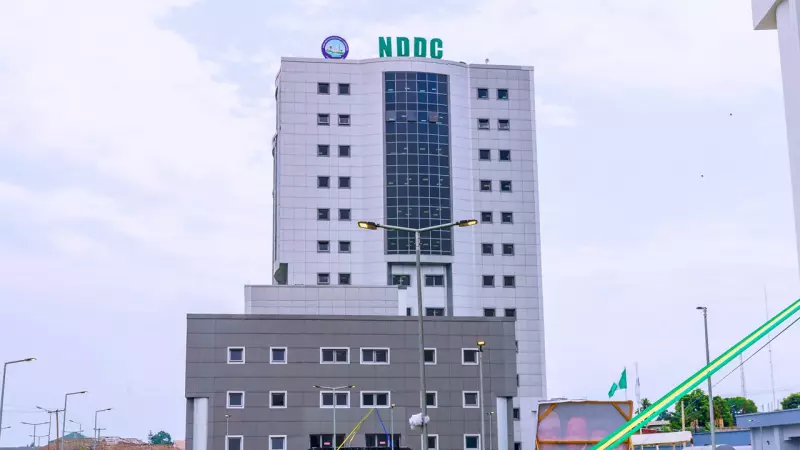
For decades, Nigeria has established multiple regional and zonal development agencies with the noble goal of driving balanced growth across the country's diverse regions. From the Niger Delta Development Commission (NDDC) to the North-East Development Commission (NEDC), South-East Development Commission (SEDC), and various River Basin Development Authorities, these bodies were created to address long-standing inequalities and bring development closer to the people.
The Development Paradox: Billions Spent, Poor Results
Despite the billions of naira allocated annually to these commissions, many regions continue to struggle with poor infrastructure, abandoned projects, and persistent underdevelopment. The troubling reality is that these agencies share almost identical mandates—promoting infrastructure, empowering communities, enhancing agriculture, and restoring environments—yet their collective impact has been disappointing and disproportionate to the resources invested.
The reasons for this failure are clear to policy experts: weak monitoring systems, little synergy between federal and state governments, project duplication, and the absence of structured oversight mechanisms connecting the National Assembly with State Houses of Assembly. These critical gaps have created a vacuum where projects are executed without proper supervision, leading to inefficiency, corruption, and massive wastage of public funds.
Democratizing Oversight: A Path to Reform
The solution lies in democratizing the operations and oversight of regional development agencies. Development cannot be effectively driven from Abuja alone—it must involve the people and institutions closest to the beneficiaries. State Governments and State Houses of Assembly, as representatives of their regions, should have concurrent oversight powers not for political interference, but to monitor, evaluate, and ensure projects align with actual community needs.
Equally important is the proposal for each region to establish a Joint Regional Legislative Oversight Committee, comprising one representative from each State House of Assembly within the region. This body would serve as a crucial bridge between federal oversight and local realities—monitoring project execution, assessing value for money, and promoting transparency and accountability.
Such committees would report annually to both the National Assembly and respective State Assemblies, ensuring that projects are not duplicated, abandoned, or mismanaged. This approach would fundamentally change how development projects are supervised and evaluated.
Learning from Global Best Practices
Around the world, successful regional development thrives on collaboration and multi-level oversight. In the United States, the Appalachian Regional Commission operates through a federal-state partnership where each state appoints a representative who jointly determines project priorities and monitors implementation. Similarly, the European Union's Cohesion Policy uses Joint Monitoring Committees made up of national and regional legislators to ensure regional projects are inclusive, transparent, and performance-based.
Nigeria can adopt similar models where federal and state stakeholders work hand in hand, ensuring every project is purposeful, equitable, and properly executed. When oversight is democratized and participation broadened, transparency increases, corruption reduces, and development accelerates.
The way forward requires moving from rhetoric to concrete reform. The laws establishing these agencies should be reviewed to give State Houses of Assembly concurrent oversight powers and mandate the creation of Joint Regional Oversight Committees for periodic evaluation and reporting. This approach will bridge the gap between planning and delivery, empower local institutions, and guarantee that development funds achieve tangible results for Nigeria's communities.