Major Political Shift as Opposition Lawmakers Join Ruling Party
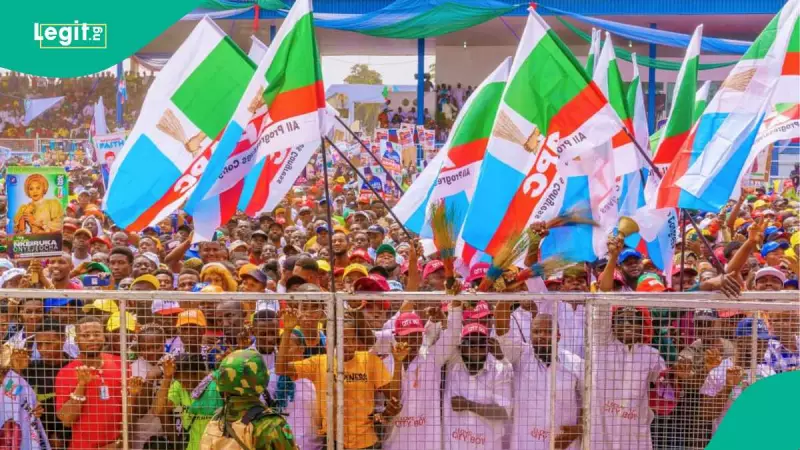
The political landscape in Nigeria's House of Representatives experienced a significant transformation on Thursday, November 13, 2025, when two prominent members of the New Nigeria Peoples Party (NNPP) officially crossed over to the ruling All Progressives Congress (APC). The defection ceremony occurred during plenary proceedings, where Speaker Abbas Tajudeen formally announced the political realignment that has strengthened the APC's numerical advantage in the legislative chamber.
Kano Lawmakers Cite Internal Crisis as Reason for Defection
The defecting lawmakers, Abdulmuminu Jibrin and Sagir Ibrahim Koki, both representing constituencies in Kano State, explained that their decision stemmed from irreconcilable differences within the NNPP's leadership structure at both state and national levels. Jibrin, who serves as the Chairman of the House Committee on Housing, had previously severed ties with the Kwankwasiyya Movement earlier in the week, signaling his impending departure from the party.
Both legislators emphasized that the ongoing internal crisis within the NNPP had created an environment where effective representation of their constituents became increasingly challenging. Their move to the APC provides them with a more stable political platform to fulfill their legislative responsibilities, they noted.
Rapid Political Realignments Reshape 2027 Election Calculations
This development represents the second major defection to hit opposition parties within a 24-hour period. Just one day earlier, Daniel Amos, a Peoples Democratic Party (PDP) representative from Kaduna State, had similarly abandoned his party to join the ruling APC. These consecutive defections occur against the backdrop of intensifying political maneuvers as various factions position themselves for the upcoming 2027 general elections.
The political atmosphere has grown increasingly dynamic with the formation of a coalition by prominent opposition figures, including former Vice President Atiku Abubakar, Labour Party's Peter Obi, and former governors Nasir El-Rufai (Kaduna) and Rotimi Amaechi (Rivers). This alliance aims to present a unified front against President Bola Tinubu in the next presidential election.
Meanwhile, speculation continues to swirl around Rabiu Kwankwaso, the influential leader of the Kwankwasiyya Movement and NNPP's 2023 presidential candidate. His recent meetings with President Tinubu have fueled rumors of a potential defection, which would represent another significant blow to the opposition and further bolster the APC's political dominance.
The ruling party has actively pursued a strategy of attracting opposition members since the 2023 elections, successfully drawing numerous governors, senators, and House of Representatives members from parties including the PDP, NNPP, and Labour Party. This trend appears to be accelerating as the 2027 elections approach, signaling a major restructuring of Nigeria's political alliances that could dramatically impact the country's democratic landscape.