Amupitan's Crucial Mandate at INEC
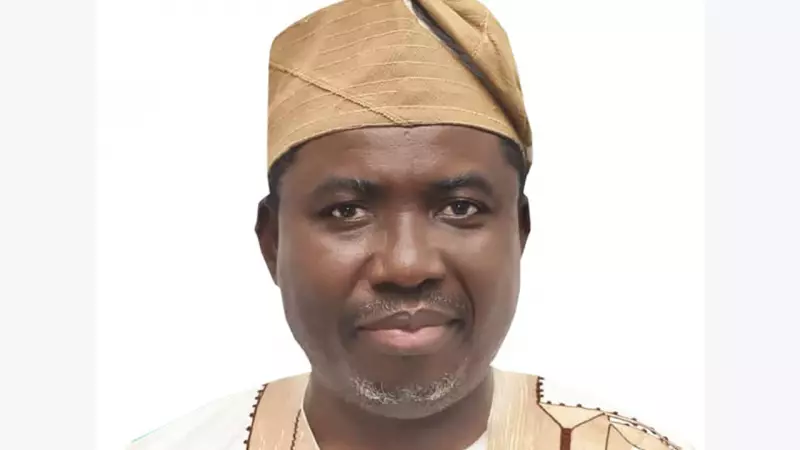
Professor Joash Amupitan, the Chairman of Nigeria's Independent National Electoral Commission (INEC), faces one of the most challenging roles in the nation's democratic landscape. As required by law, the INEC chairman must maintain a non-partisan stance and avoid membership in any political party. However, beyond these legal requirements, Professor Amupitan needs significant courage to speak truth to power in Nigeria's complex political environment.
The Weight of Expectations and Predecessors' Wisdom
Nigerians harbor both realistic and ambitious expectations for electoral improvement under Professor Amupitan's leadership. Having built an untainted reputation throughout his career, there is hope that he can resist pressure from self-interested political forces that inevitably seek to influence electoral outcomes. The public looks to him to deliver credible elections that will restore faith in Nigeria's democratic process.
Among the valuable resources available to the new INEC chairman is guidance from former commission leaders who have navigated similar challenges. Professor Attahiru Jega has offered substantial advice through his paper titled 'Electoral Integrity as Panacea for Democratic Development in Nigeria', presented recently at the Nigerian Institute of Legislative and Democratic Studies. This document provides crucial insights that Amupitan would benefit from studying thoroughly.
Institutional Challenges Beyond INEC's Control
Several critical factors affecting electoral integrity fall outside INEC's direct authority. The commission faces limitations regarding the moral quality of commissioners at federal, state, and local government levels, adequate funding for electoral activities, and the conduct of law enforcement agencies during elections.
The persistent problem of vote-buying represents a significant challenge where INEC's powers are limited. According to Section 22 of Nigeria's Electoral Act, any person involved in buying or selling voter cards commits an offence punishable by a fine up to N500,000 or imprisonment not exceeding two years, or both. However, enforcement responsibility lies with security agencies rather than INEC officials.
Recent incidents highlight this jurisdictional confusion. During allegations of vote-buying in the Anambra election, Deputy Inspector General Benjamin Okolo, who was in charge of election security, reportedly stated, "I am not sure it is under our policy. The EFCC is responsible for financial offences, and we enforce all laws generally." This response demonstrates the coordination challenges between agencies that undermine electoral integrity.
Collective Responsibility for Electoral Integrity
While Professor Amupitan bears significant responsibility, successful elections require cooperation from all stakeholders. The President has charged him with protecting electoral integrity and strengthening INEC's institutional capacity. However, politicians must compete with integrity, law enforcement must perform their constitutional duties, and Nigerian citizens must resist short-term gratification to vote for genuine leaders.
Critical to long-term improvement is achieving greater independence for INEC through reforms that reduce presidential influence in appointing commission leaders. Until this structural change occurs, the electoral system remains vulnerable to manipulation and will struggle to earn public trust.
One key measure of Amupitan's tenure will be how election petitions are handled and potentially overturned by courts. This will serve as a clear indicator of the electoral process's integrity and Nigeria's progress in democratic practice. In Nigeria's high-stakes political environment, even the most principled leaders face severe tests, but firm leadership from the top can set a positive tone throughout the system.