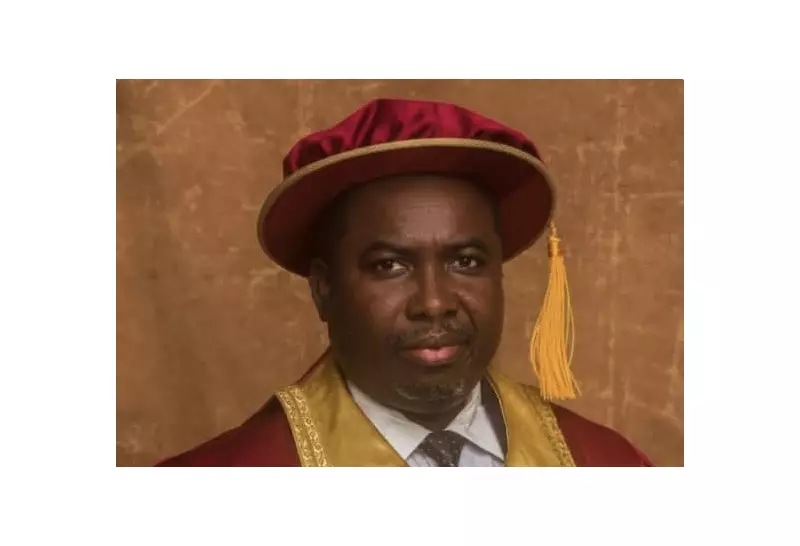
The recently concluded Anambra State governorship election has presented significant challenges for Nigeria's electoral system, despite providing a limited assessment of the new Independent National Electoral Commission (INEC) leadership under Professor Joash Ojo Amupitan (SAN).
Election Conduct and Key Findings
Held on November 8, 2025, the Anambra governorship poll occurred barely two weeks after Professor Amupitan assumed office as INEC chairman on October 23, 2025. While the election outcome generally reflected the majority will of Anambra voters, the process revealed persistent electoral deficiencies that continue to plague Nigeria's democracy.
The election was notably marred by widespread incidents of vote-buying, where voters were compromised through monetary exchanges and other forms of inducements. This practice highlights the troubling trend of transactional politics that undermines electoral integrity and accountability.
Alarming Voter Apathy Statistics
Perhaps more concerning was the exceptionally low voter turnout recorded during the election. Official data shows that less than 22% of registered voters participated in the exercise, translating to fewer than 600,000 accredited voters out of over 2.8 million registered voters in Anambra State.
This poor participation rate continues a worrying pattern of voter apathy observed in off-cycle elections following the 2023 General Election. The declining enthusiasm among Nigerian voters presents a serious challenge to democratic legitimacy and representation.
INEC's Path Forward Under New Leadership
Professor Amupitan's leadership faces immediate pressure to address the integrity deficit that has eroded public trust in the electoral process. The new INEC chairman had made strong commitments during his oath-taking ceremony, emphasizing that "our mandate is very clear. That is to deliver free, fair, and credible elections that reflect the will of the people. The integrity of our elections is not negotiable. Every voter must feel confident that their vote counts."
Nigerians expect the electoral commission to create a level playing field for all political parties and candidates, completely detached from incumbency interference. However, opposition parties must also strengthen their organizational capacity rather than attributing electoral misfortunes solely to INEC.
The forthcoming off-cycle governorship polls in Ekiti and Osun States will be crucial in evaluating INEC's readiness to restore electoral integrity ahead of the 2027 General Election. The commission must demonstrate tangible improvements in results transmission and collation processes that have previously faced deliberate interference.
While the Anambra election was not characterized by violence, maintaining this peaceful environment requires sustained cooperation among all stakeholders in the state. The relative peace observed during the poll should be nurtured to support inclusive governance and accelerated development.
The new INEC leadership must now translate rhetoric into action, partnering with state and non-state agencies to deepen public enlightenment and discourage negative electoral practices. Restoring voter confidence remains essential for Nigeria's democratic progress as the nation looks toward the 2027 General Elections.