Citizens of Guinea-Bissau are heading to the polls this Sunday to elect their next president in a crucial vote where the central issue is achieving lasting political stability for the West African nation.
The campaign period, which lasted for three weeks, concluded peacefully on Friday, marked by a festive atmosphere and no major incidents. This has raised hopes that the country might be turning a page on its long history of political instability.
A Nation at a Crossroads
Approximately 860,000 registered voters are expected to cast their ballots, choosing from a field of 12 presidential candidates. The shadow of past crises looms large, with Guinea-Bissau experiencing four successful coups and numerous attempted takeovers since gaining independence.
Beyond the power struggles in the capital, the everyday reality for the 2.2 million population is dire. Nearly 40 percent live in extreme poverty, placing Guinea-Bissau among the world's poorest nations. Voters are demanding concrete improvements in living conditions, including better access to healthcare, education, and infrastructure.
The country is also internationally known as a major hub for drug trafficking between Latin America and Europe, a trade exacerbated by chronic political weakness.
Key Candidates and a Notable Absence
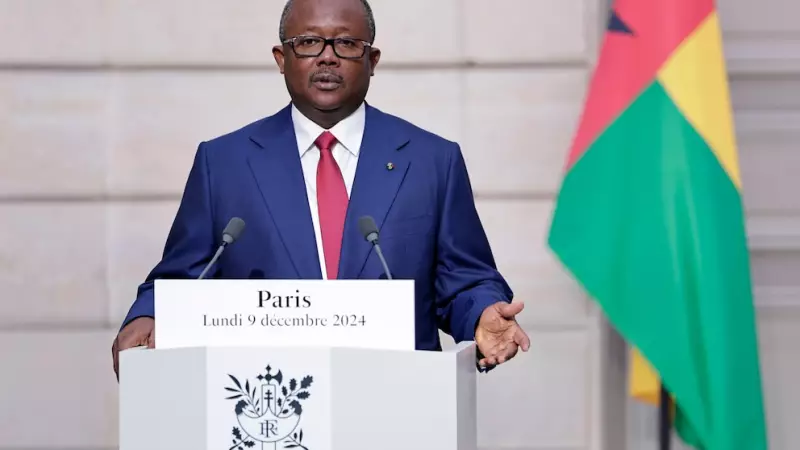
The incumbent, President Umaro Sissoco Embalo, 53, is considered the favourite to win the election, potentially in the first round. If successful, he would make history as the first head of state to serve two consecutive terms since the multi-party system was established in 1994.
His main challenger is Fernando Dias, who has received the backing of the powerful PAIGC opposition party. This election is historically significant because it marks the first time the PAIGC is absent from the ballot. The party, which led the former Portuguese colony to independence in 1974, was disqualified after the Supreme Court ruled its applications were submitted late.
The PAIGC's leader, Domingos Simoes Pereira—a recent returnee from exile and an arch-rival of Embalo—was also barred from running. The opposition has labelled this exclusion as "manipulation" and contends that Embalo's presidential term legally expired on February 27.
Post-Election Concerns and Security Measures
In addition to the presidency, voters will also elect all 102 members of the National Parliament. President Embalo dissolved the opposition-dominated legislature in 2023 and has been ruling by decree since.
Despite the calm campaign, experts warn that trouble often arises after the votes are cast. Lucia Bird, an expert at the Global Initiative against Transnational Organized Crime, expressed fears that allegations of irregularities could emerge post-election, mirroring the four-month crisis that followed the 2019 presidential poll.
To ensure security, more than 6,780 security personnel, including forces from the ECOWAS Stabilisation Force, have been deployed. As a further precaution, Guinea-Bissau's air space, land, and sea borders were closed for the entire day on Sunday.
Polling stations opened at 7:00 am (local time and GMT) and were scheduled to close at 5:00 pm. The first results are anticipated by Thursday at the latest, setting the stage for a pivotal moment in the nation's fragile democracy.