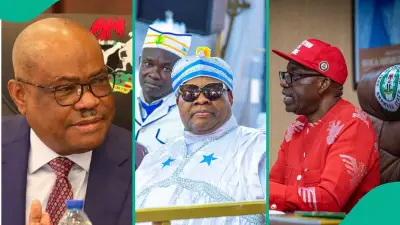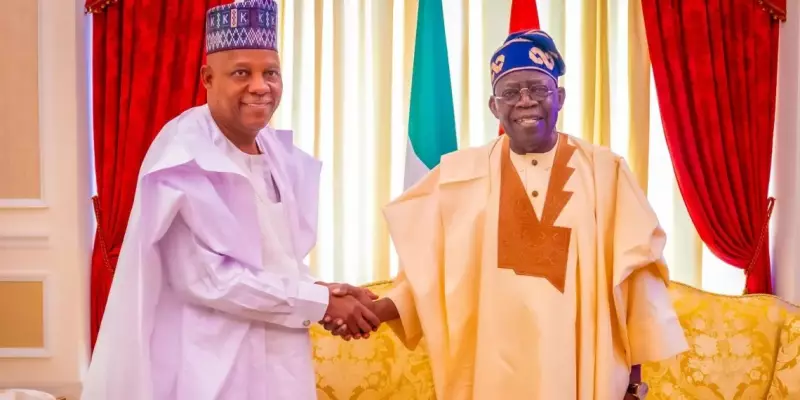
A significant political realignment is taking shape ahead of Nigeria's 2027 general elections, with a growing list of prominent northern politicians aggressively positioning themselves for vice-presidential consideration. This trend underscores a powerful consensus within the political elite: the presidency is widely expected to remain in the southern part of the country for the 2027-2031 term.
The Southern Presidential Front-Runners
The political landscape is currently dominated by southern figures expected to contest the presidency. Incumbent President Bola Ahmed Tinubu of the All Progressives Congress (APC) is widely anticipated to seek a second term. Beyond him, other key southern contenders include former Anambra governor and 2023 Labour Party candidate, Peter Obi; the Social Democratic Party's (SDP) 2023 standard bearer, Adewole Adebayo; and former Minister of Transportation, Rotimi Amaechi.
Adebayo has declared his intention to run again, though his choice of running mate is uncertain after his 2023 deputy, Yusuf Buhari, defected to the APC in March 2025. Meanwhile, Peter Obi's move to the opposition coalition platform of the African Democratic Congress (ADC) has dramatically altered the opposition landscape. On the ADC platform, he is expected to contest the presidential ticket alongside former Vice President Atiku Abubakar and Rotimi Amaechi.
The Strategic Value of the Vice-Presidency
For northern political heavyweights, the vice-presidential slot is no longer seen as a mere deputy role but as a critical strategic investment. It offers national visibility, proximity to power, and a potential launching pad for a presidential bid in 2031, when zoning sentiment may favour the North again. This logic is supported by history, as both Atiku Abubakar and Peter Obi used the vice presidency as a springboard to become major presidential contenders.
Officially, the ADC has resisted formalizing zoning. Its National Publicity Secretary, Bolaji Abdullahi, insists the party's flagbearer will emerge from a transparent convention. However, the sheer number of northern politicians angling for the ADC's vice-presidential ticket is a clear signal that the party's internal arithmetic favours a southern presidential candidate.
Key Northern Contenders in the Fray
The list of northern politicians seeking the vice-presidential role is extensive and crosses party lines. Within the ruling APC, discussions have reopened about the sustainability of the Tinubu-Shettima Muslim-Muslim ticket. While no official change is indicated, names being floated as potential alternatives include Rabiu Musa Kwankwaso, Deputy Senate President Barau Jibrin, former Speaker Yakubu Dogara, and Yobe State Governor Mai Mala Buni.
In the opposition ADC coalition, the assumption of a southern presidential candidate has emboldened several northern leaders. Notable among them are:
- Aminu Waziri Tambuwal: The former Sokoto governor enjoys broad elite support and is seen as a strong unifying figure with cross-party appeal.
- Rabiu Kwankwaso: Despite perceptions, his ability to deliver Kano and mobilize a loyal youth base makes him a central figure in all calculations.
- Nasir el-Rufai: The former Kaduna governor is a vocal advocate for opposition unity, but his open 2031 ambition and regional resistance complicate his VP prospects.
- Ibrahim Shekarau and Senator Datti Baba-Ahmed are also mentioned, though with varying levels of feasibility and interest.
Alliances, Speculations, and the Road to 2031
Speculation about a potential reunion of the 2019 PDP ticket, featuring Atiku Abubakar and Peter Obi, adds another layer of intrigue. However, many analysts doubt Obi would accept a deputy role after his strong, youth-driven performance in the 2023 election.
Ultimately, the intense jostling for the vice-presidency reveals a shared strategic reading of Nigeria's political moment. With the presidency likely staying in the South in 2027, the second-highest office has become the primary battleground for northern politicians seeking to maintain relevance and position themselves for the 2031 race. As party conventions approach, the battle for the vice presidency may prove just as decisive as the presidential contest itself, shaping regional alignments and voter enthusiasm in what promises to be another closely fought election.