
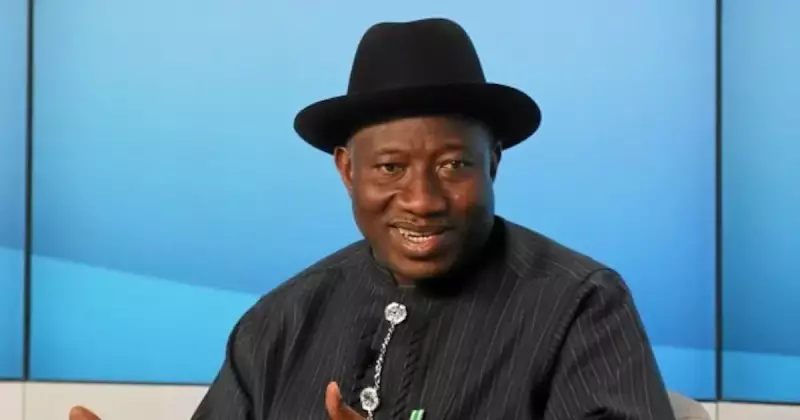
Former Nigerian President Goodluck Jonathan has made a safe return to Abuja after being unexpectedly stranded in Guinea-Bissau during a sudden military takeover that plunged the West African nation into political chaos.
Dramatic Return to Nigerian Soil
Jonathan arrived at the Nnamdi Azikiwe International Airport late on Thursday, November 27, 2025, where he was warmly received on the tarmac by both government officials and enthusiastic supporters. The former president had traveled to Bissau as the head of the West African Elders Forum (WAEF) election observation mission, a routine diplomatic assignment that turned into a dangerous situation.
His visit coincided with rapidly escalating political tensions following Guinea-Bissau's disputed presidential and parliamentary elections that were held the previous Sunday. The situation deteriorated dramatically when both the now-ousted President Umaro Sissoco Embaló and his primary challenger, Fernando Dias, declared themselves winners on Tuesday. This occurred two full days before the National Electoral Commission was scheduled to release the official results.
Military Seizes Control Amid Election Chaos
By Wednesday, senior military officers moved decisively against Embaló's government, announcing they had taken "total control" of the country. The coup leaders implemented an immediate overnight curfew and sealed all land, air, and sea borders, effectively trapping Jonathan along with other international delegations from both the African Union (AU) and the Economic Community of West African States (ECOWAS).
In a national broadcast, the head of the presidential military office, General Denis N'Canha, announced that a joint military command comprising all branches of the armed forces had assumed control "until further notice." President Embaló was arrested shortly after the coup, despite polls suggesting he was leading in the disputed election.
The coup leadership also appointed the Chief of Army Staff, General Horta N'Tam, as transitional head of state for a period of one year, signaling their intention to maintain power for the foreseeable future.
Nigeria's Strong Condemnation and Regional Concerns
The Nigerian government responded swiftly and strongly to the political developments in Guinea-Bissau. In an official statement, Kimiebi Ebienfa, spokesperson for the Ministry of Foreign Affairs, condemned the coup in unambiguous terms and demanded the immediate restoration of constitutional order.
"This coup d'état represents a blatant violation of the ECOWAS Protocol on Democracy and Good Governance, which explicitly rejects any ascension to power through unconstitutional means," Ebienfa stated emphatically.
The spokesperson further emphasized Nigeria's position: "We stand in solidariy with the people of Guinea-Bissau and call for the immediate and unconditional restoration of constitutional order, the safety of all those detained, and full respect for democratic institutions."
The safe return of former President Jonathan brings relief to many Nigerians who had been following the tense situation in Guinea-Bissau with growing concern. The incident highlights the continuing political instability in some West African nations and the risks faced by regional diplomats and observers during volatile election periods.




