
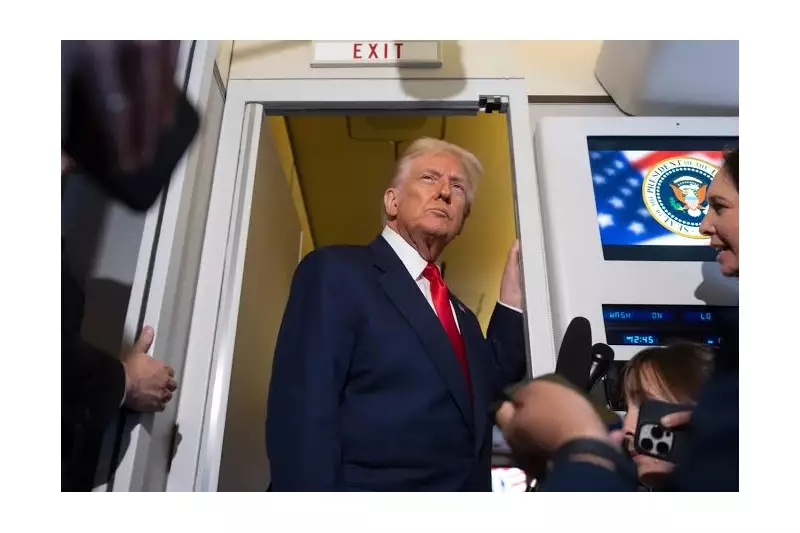
Trump Takes Hard Stance Against Muslim Brotherhood
United States President Donald Trump has officially designated selected chapters of the Islamist Muslim Brotherhood as foreign terrorist organizations. The significant move was announced on Monday, November 25, 2025, and represents what the President described as a decisive escalation against supporters of radical jihad.
During a ceremony at the White House, Trump signed an executive order that initiates a comprehensive package of sanctions and travel restrictions. The President emphasized that this action targets organizations that have enabled and funded terror operations across different regions.
Specific Targets and Implementation Timeline
The executive order specifically directs Secretary of State Marco Rubio and Treasury Secretary Scott Bessent to complete the designation process for Brotherhood-linked groups operating in Egypt, Jordan, and Lebanon within 45 days.
Administration officials clarified that the targeted branches have been accused of providing support to Hamas and Hezbollah during the ongoing conflict in Gaza. The decision also references Brotherhood-linked activities following the October 2023 escalation in the Middle East.
Trump vowed to disrupt financial networks supporting these groups through asset freezes and visa restrictions. "This is a strike against those who fund and fuel terror across the world," the President declared during the announcement.
Broader Implications and Nigeria Connection
The designation coincides with Trump's hardened foreign policy approach toward Africa. Earlier in November, the US President warned Nigeria that Washington might reduce assistance and consider military options unless Abuja takes stronger measures against attacks by Boko Haram and the Islamic State West Africa Province.
Trump specifically accused Nigeria of failing to protect Christian communities, describing the situation as a national disgrace. However, Nigeria has rejected these claims through Foreign Ministry spokesman Kimiebi Imomotimi Ebienfa, who emphasized that violence in the country affects citizens of all faiths and that the government does not tolerate extremist groups.
Abuja has expressed concern that any reduction in US support could negatively impact humanitarian and security programs in Nigeria.
White House officials characterized the designations as part of a broader strategy to dismantle extremist networks extending from the Middle East to Africa. Trump stated that these measures form part of his second-term security blueprint, which emphasizes unilateral action, rapid designations, and a realigned counter-terrorism approach.
The move revives efforts first pursued during Trump's initial presidency and follows recent actions by Texas Governor Greg Abbott, who last week labeled both the Muslim Brotherhood and the Council on American-Islamic Relations as terrorist organizations within his state.




