
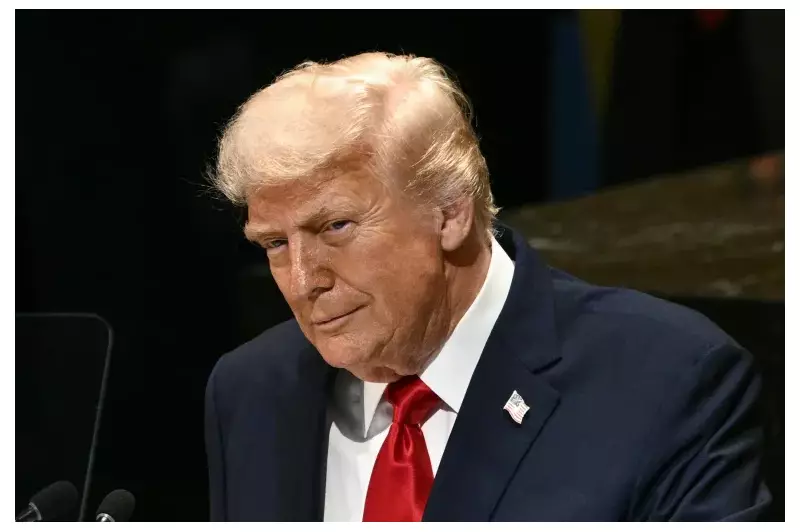
The political atmosphere between the United States and Nigeria has reached a dangerous boiling point following a startling declaration from President Donald Trump. The American leader has threatened to cut crucial aid and order military preparations unless attacks targeting Christians in Nigeria cease immediately.
The Complex Reality of Nigeria's Security Crisis
President Trump's statement, issued on 25 November 2025, has generated alarming headlines worldwide. While many interpret this as moral outrage against religious persecution, security experts warn this approach could cause more harm than good. The situation threatens not only US-Nigerian relations but also the vulnerable communities it aims to protect.
Nigeria's security challenges are deeply multifaceted, extending far beyond religious conflicts. The country grapples with multiple overlapping crises:
- Boko Haram and ISIS-affiliated insurgencies in the northeast
- Communal clashes and criminal banditry across the Middle Belt and Northwest
- Historical conflicts over land and resources
- Systemic governance failures and weakened security institutions
Victims of this violence span all religious and ethnic communities, making simplistic religious narratives inadequate for understanding the complex reality.
Legal and Practical Risks of Military Threats
International law imposes strict limitations on cross-border military action. Unless conducted in self-defense or with United Nations Security Council authorization, such interventions raise serious legal and legitimacy concerns. Even humanitarian interventions often produce unintended consequences that worsen the very problems they seek to solve.
Military threats from foreign powers can:
- Fuel nationalist sentiments and anti-Western rhetoric
- Empower extremist groups seeking recruitment opportunities
- Destabilize fragile government institutions
- Create dangerous power vacuums that exacerbate violence
Any entity considering military action must carefully assess whether sustainable protection can be achieved without worsening the underlying dynamics driving violence.
Diplomatic Alternatives and the Path Forward
Nigeria remains a strategic partner for the United States in Africa, crucial for regional stability, counterterrorism cooperation, and economic relations. Sudden aid cuts would disproportionately harm civilians who depend on humanitarian assistance and development support.
Rather than military threats or abrupt aid termination, more effective approaches include:
- Sustained diplomatic pressure through official channels >
- Conditional aid tied to specific security reforms and accountability measures
- Support for Nigeria's capacity to investigate and prosecute perpetrators of violence
- Targeted sanctions against individuals responsible for atrocities
- Multilateral pressure through United Nations and regional organizations like ECOWAS
Historical examples of US interventions in resource-rich nations like Iran and Libya demonstrate the unpredictable consequences of military action. Instead of coercion, the US should prioritize diplomatic engagement, trade partnerships, and cultural exchanges that build lasting ties.
For Nigeria's leadership, this moment demands urgent action and humility. The fundamental duty of any government remains the protection of all citizens, regardless of religious affiliation. Authorities must embrace impartial investigations, collaborate with international partners, and implement proactive security measures including effective policing, support for displaced communities, and robust early-warning systems.
This crisis serves as a stark reminder of the challenges facing Nigeria. It demands a thorough reassessment of current approaches and emphasizes the critical need for well-coordinated actions to address national security issues. Nigeria cannot afford to wait for external powers to highlight its struggles. The time for decisive, responsible leadership and meaningful change is now.




