
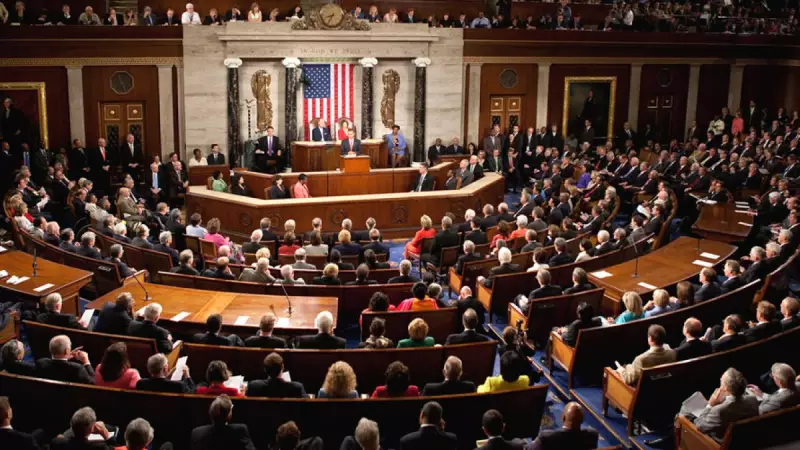
In a significant development that could strain diplomatic relations, United States lawmakers are advancing legislation to impose sanctions on Nigerian officials allegedly involved in religious persecution. This move represents Washington's strongest response yet to ongoing concerns about religious freedom violations in Africa's most populous nation.
The Congressional Push for Accountability
The proposed sanctions specifically target Nigerian government officials accused of either directly participating in or turning a blind eye to religious persecution across various regions of the country. While the legislation doesn't name specific individuals publicly, it empowers US authorities to identify and penalize those found responsible for these human rights violations.
This congressional action follows years of documented reports from international human rights organizations detailing incidents of religious violence and discrimination in Nigeria. Lawmakers argue that previous diplomatic efforts have failed to produce meaningful improvements in religious tolerance and protection.
Potential Impact on US-Nigeria Relations
The sanctions legislation, if passed, could have far-reaching consequences for the bilateral relationship between both countries. Nigeria remains a key strategic partner for the United States in West Africa, particularly in security cooperation and counterterrorism efforts.
Economic implications are also significant, as sanctions could restrict targeted officials from accessing US financial systems and conducting dollar-denominated transactions. This development comes at a sensitive time when Nigeria is navigating complex economic challenges and seeking increased foreign investment.
Nigerian Government's Expected Response
Political analysts anticipate strong opposition from Nigerian authorities, who have consistently maintained that religious freedom is protected under the country's constitution. Previous allegations of religious persecution have been met with official denials and counter-claims of foreign interference in domestic affairs.
The timing of this legislative move is particularly noteworthy, occurring amidst Nigeria's ongoing efforts to address internal security challenges and promote national unity across religious and ethnic divides.
As the situation develops, international observers are closely monitoring how this potential sanctions regime might affect Nigeria's internal dynamics and its position on the global stage. The outcome could set important precedents for how Western nations address religious freedom concerns in partner countries moving forward.




