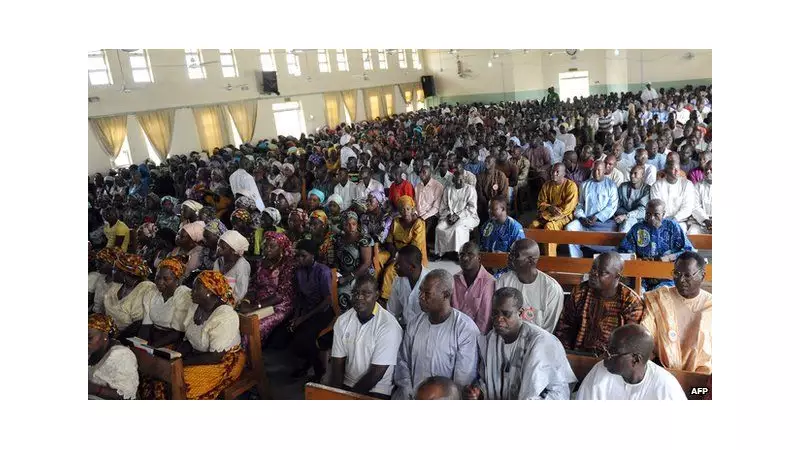
The debate over whether Christians in Nigeria are facing genocide has intensified dramatically, reaching the highest levels of international politics. This follows a public threat from former U.S. President Donald Trump, who suggested possible airstrikes or troop deployment to protect Christians from what he termed an ongoing 'genocide.'
The Legal Definition of Genocide
To understand this complex issue, one must first grasp the precise legal meaning of genocide. The term was first coined in 1943 by Polish jurist Rafael Lemkin, combining the Greek word 'genus' (race) and the Latin 'cide' (killing). It was formally codified into international law with the Convention on the Prevention and Punishment of the Crime of Genocide, signed in Paris on December 9, 1948.
This convention established a strict legal definition, later incorporated into the statutes of international tribunals like the International Criminal Tribunal for Rwanda (ICTR). According to Article II of the convention, genocide involves specific acts committed with the intent to destroy, in whole or in part, a national, ethnical, racial or religious group. These acts include:
- Killing members of the group
- Causing serious bodily or mental harm
- Deliberately inflicting conditions of life calculated to bring about physical destruction
- Imposing measures intended to prevent births
- Forcibly transferring children of the group to another group
The Critical Element of 'Special Intent'
The cornerstone of a genocide conviction is proving dolus specialis, or special intent. This was a central issue in the landmark Prosecutor v. Akayesu case at the ICTR, the first judgment ever to convict for genocide. The tribunal clarified that genocide does not require the actual extermination of an entire group. Instead, it occurs once any of the listed acts is committed with the specific intent to destroy the group, even in part.
This legal precision is crucial for the Nigerian context. While violence against Christians in northern and central Nigeria is severe and well-documented, the central question remains whether the perpetrators possess this specific genocidal intent. Available data and analyses reveal a broader, more complex crisis where both Christians and Muslims are targeted, with patterns varying significantly by region and armed actor.
Nigerian and International Reactions
The Nigerian government's reaction to Trump's threat has been mixed and cautious. Mindful of the aftermath of U.S. interventions in Libya and elsewhere, officials have rejected the idea of an outright invasion. However, many ordinary Nigerians, exhausted by years of jihadist violence and organized crime, have welcomed the prospect of meaningful international assistance.
This national debate forces a critical examination of the evidence against the legal standards for genocide. It underscores the importance of basing public argument on law and evidence, moving beyond rhetoric to a clear-eyed assessment of the situation on the ground.