Presidential Anthem Controversy Rocks Judges Conference
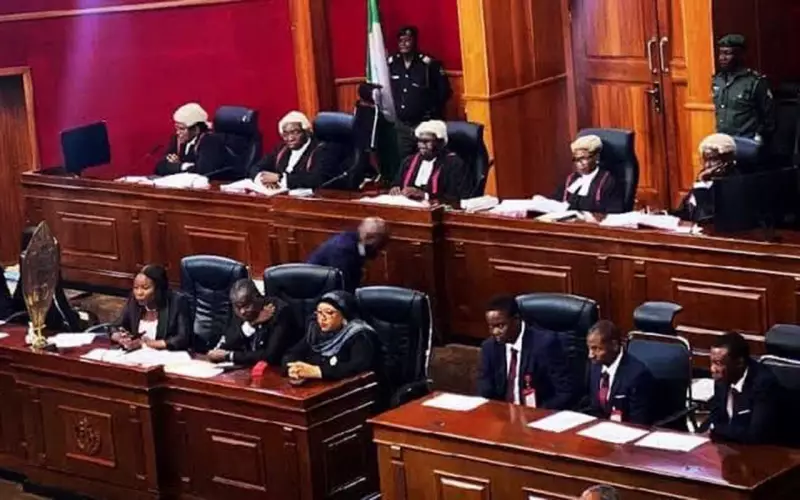
The recent All Nigeria Judges Conference in Abuja became the center of a major controversy when President Bola Tinubu's personal fealty anthem was played not once, but twice during the opening ceremony. The incident has sparked serious questions about judicial independence and the relationship between the executive and judiciary in Africa's largest democracy.
The conference, held at the National Judicial Institute from November 17, 2025, was intended to focus on the theme "Building a Confident Judiciary". However, the proceedings took an unexpected turn when the presidential Guards Brigade military band broke into an instrumental rendition of "On Your Mandate We Shall Stand" during the president's entrance and exit.
Historical Context: Fatayi Williams' Warning
The current controversy echoes warnings from Nigeria's judicial history. Atanda Fatayi Williams, the fourth Chief Justice of post-colonial Nigeria and the first to be appointed after independence on October 7, 1960, had cautioned against judicial familiarity with politicians.
In his memoirs, Justice Williams observed that "In Nigeria, familiarity does not breed contempt. It breeds obligation... people with whom you are friendly expect you to bend the rules to suit their requirements." This wisdom from 1983 seems particularly relevant today.
Justice Williams, who served as Chief Justice during President Shehu Shagari's administration, pioneered the All Nigeria Judges Conference in Ilorin on March 8, 1982. The conference has since become a biennial tradition for Nigeria's Superior Courts of Record.
The Conference Proceedings
The current Chief Justice of Nigeria delivered what appeared to be a heartfelt address, urging colleagues to defend democracy by "ensuring that justice is not only done but manifestly seen to be done." She acknowledged concerns about judicial decisions being "vulnerable to external influences" and admitted that some within the judiciary had "undermined the integrity of the Bench."
However, these important messages were overshadowed by the subsequent events. When President Tinubu was invited to address the conference, the military band played his personal anthem as judges stood in unison. The same musical interlude repeated when he concluded his 1,314-word address.
Aftermath and Reactions
The presidential station TVC later defended the incident, claiming the singing came from "the people who came with the president" and that the song had been used previously at other events. This justification drew criticism for equating a gathering of Nigeria's most senior judges with other political events.
More concerning was the delayed and weak response from judicial leadership. After over 48 hours, a statement emerged from a mid-level NJI officer that failed to address the core concerns about judicial independence. The statement notably lacked ownership from senior judicial figures.
The fundamental question raised by this incident is profound: On whose mandate do Nigerian judges stand? The constitutional foundation of judicial authority or personal loyalty to the executive?
As Alexander Hamilton noted, the judiciary relies on "neither force nor will but merely judgment." The symbolic choice of a presidential fealty anthem at a judicial conference threatens to relocate the source of judicial function from its constitutional foundation to personal loyalty.
For a conference aimed at building judicial confidence, the incident has ironically undermined public trust in the judiciary's independence from executive influence.