
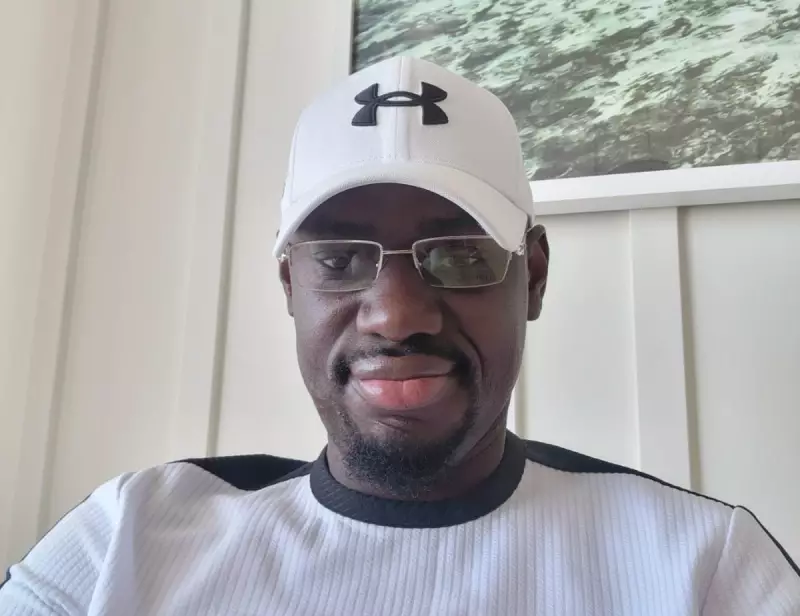
Comrade Timi Frank, the former Deputy National Publicity Secretary of the All Progressives Congress (APC) and a prominent Global Governance Advocate, has issued a powerful condemnation of the recent military takeover in Guinea-Bissau. He described the event as an unacceptable disruption of democracy and a clear sign of the severe governance crises plaguing the African continent.
The Root Causes of Military Interventions
In a detailed statement released on Thursday in Abuja, Frank emphasized that while military coups are illegal and must never be supported, the primary responsibility lies with African leaders and regional bodies. He argued that they have created an environment ripe for such power grabs through their continuous undermining of democratic processes.
"I unequivocally condemn the coup in Guinea-Bissau. Military rule is never the answer," stated Frank, who also serves as a Senior Advisor to the Global Friendship City Association (GFCA) in the USA. He pointed out that the increasing frequency of coups is a direct result of persistent democratic breakdowns, including rigged elections, constitutional manipulation, suppression of political opposition, and leaders who refuse to step down from power.
Frank expressed deep concern that institutions like the African Union (AU) and the Economic Community of West African States (ECOWAS) are quick to denounce military interventions but consistently ignore the gradual erosion of democracy by civilian rulers. "How do AU and ECOWAS condemn coups with moral authority when they look away as leaders rig elections, intimidate opponents and illegally extend term limits?" he questioned. He insisted that democracy must be protected from its foundations, not just after it has completely collapsed.
A Call for Action and Accountability
Frank, who also holds the position of ULMWP Ambassador to East Africa and the Middle East, cited specific nations like Tanzania, Cameroon, and Côte d'Ivoire as examples where weakened democratic systems have fueled instability. Conversely, he praised countries like Ghana, Namibia, and Botswana for maintaining credible and peaceful electoral cycles.
While firmly maintaining that no military seizure of power can be justified, Frank issued a direct appeal to the junta in Guinea-Bissau. He urged them to immediately begin a transition process leading to the restoration of civilian governance within a strict six-month timeframe. "The military authorities must prioritise national stability and conduct a free, fair and transparent election within 180 days," he declared, asserting that this is the only path to rebuilding trust and constitutional order.
Furthermore, Frank called upon the international community, particularly the United States, to impose targeted sanctions on African leaders who subvert democracy through election fraud or unconstitutional tenure extensions. He challenged the AU to re-embrace the visionary ideals of its founding fathers, such as Kwame Nkrumah and Julius Nyerere, who dreamed of a united, democratic, and accountable Africa.
The Path Forward for African Democracy
Frank lamented that the dream of a unified Africa with one passport and one currency has stalled, blaming toothless leadership for the continent's ongoing struggles. "We often blame the West, yet there are no coups there because institutions work and elections are credible," he observed, noting that in functional democracies, losing candidates accept results because the system is perceived as fair.
He pointed to the recent election in Cameroon as a "classical example of democratic decay," referencing the 92-year-old President Paul Biya's alleged manipulation of the system to retain power against the public's will. Frank warned that "political coups"—the rigging of elections and manipulation of constitutions—are even more dangerous than military coups. He asserted that instability will persist until African leaders change their conduct and respect the will of the people.
Frank challenged the AU to evolve from a reactive body into a proactive institution that prevents democratic breakdowns before they occur. "Without transparency, accountability and credible elections, more coups are inevitable," he concluded, reaffirming his commitment to justice, constitutionalism, and a new Africa built on truth, term limits, and respect for the people's mandate.




