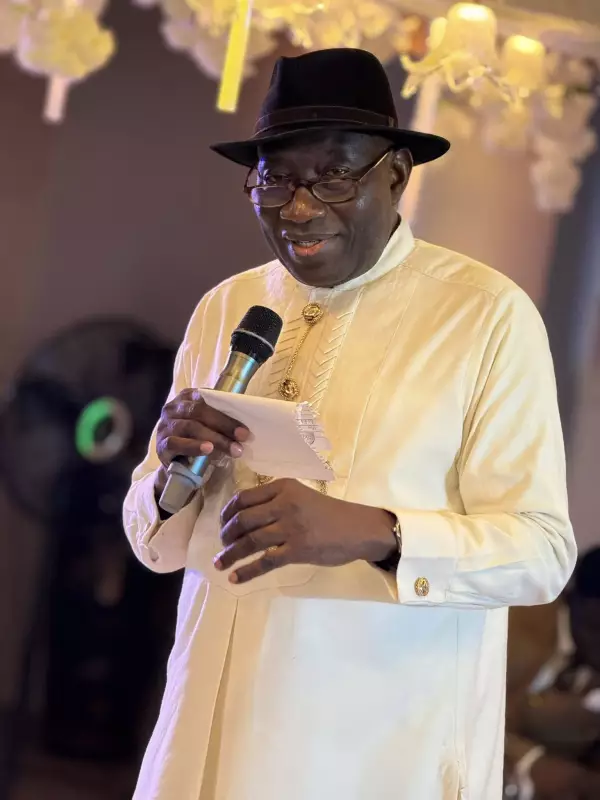
Former Nigerian President Goodluck Jonathan finds himself among hundreds of foreign observers trapped in Guinea-Bissau following a sudden military takeover that has thrown the West African nation into political chaos.
Military Seizes Control Amid Election Controversy
A group of military officers identifying as the "High Military Command for the Restoration of Order" announced they had taken total control of the government on Wednesday, November 27, 2025. The coup occurred just as the country awaited official election results from presidential and parliamentary polls held on November 23.
The military leadership immediately suspended the electoral process "until further notice" and implemented drastic measures including the closure of all land, air, and sea borders. They also imposed an overnight curfew, effectively stranding all foreign nationals including election observers.
Jonathan's Mission Turns Dangerous
Goodluck Jonathan, serving as head of the West African Elders Forum (WAEF) observer group, had arrived in Bissau ahead of the elections. The former president had taken to social media to document his mission, posting about his arrival and subsequent election day activities.
In his pre-election posts, Jonathan expressed hopes for "a peaceful, inclusive and transparent elections" and later extended warm regards to the people of Guinea-Bissau while wishing for "a smooth voting process and a peaceful, stable post-election period."
Now, along with hundreds of other international observers, Jonathan is unable to leave the country as the military consolidates its power.
Political Leaders Targeted in Takeover
The coup unfolded amid conflicting victory claims from two leading presidential candidates - President Umaro Sissoco Embalo and Fernando Dias - both of whom declared victory before the electoral commission could release official results.
In a dramatic phone call to French broadcaster France24, President Embalo confirmed he had been deposed, stating he was "currently at the general staff headquarters." The situation took an even more concerning turn when reports confirmed that the head of the main opposition PAIGC party, Domingos Simoes Pereira, had been arrested.
Adding to the crisis, military forces are attempting to cut off internet access throughout the country, further isolating Guinea-Bissau from the international community.
The coup leader has been identified as Denis N'Canha, who previously served as head of the presidential guard. This revelation underscores the betrayal at the highest levels of security, with Haque noting that "the man supposed to protect the president himself has put the president under arrest."
As the situation continues to develop, the international community watches with growing concern for the safety of all foreign nationals, including the prominent former Nigerian leader caught in the political crossfire.