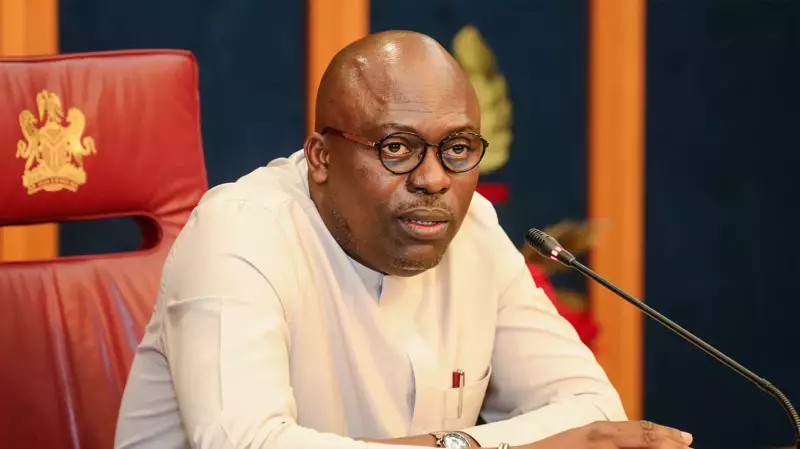
The political temperature in Rivers State has soared once again following a dramatic reversal by four members of the State House of Assembly. Lawmakers who recently advocated for dialogue between the legislature and Governor Siminalayi Fubara have now thrown their weight behind the push for his impeachment, injecting fresh suspense into the state's protracted power struggle.
A Strategic Volte-Face and a Pregnant Silence
The four legislators – Sylvanus Nwankwo (Omuma), Peter Abbey (Degema), Barile Nwakoh (Khana I), and Emilia Amadi (Obio/Akpor II) – explained their sudden U-turn by alleging that the governor and his deputy, Professor Ngozi Odu, showed no remorse after their appeal for an amicable resolution. They claimed the executive responded with ridicule through media proxies.
This shift was swiftly endorsed by the 26 other lawmakers who had previously backed the impeachment motion. In a choreographed display of unity at the Assembly quarters on Aba Road, Port Harcourt, Deputy Speaker Dumle Maol declared a collective agreement to proceed, stating the removal of the top executives had become "unavoidable."
This renewed push comes after the Assembly's conspicuous failure to reconvene on Thursday, January 15, 2026, as scheduled, following an expired ultimatum. That strategic silence, far from signaling retreat, is widely interpreted as a period of recalibration, either for back-channel negotiation or to lull the executive into a false sense of security before striking again.
Legal Hurdles and External Pressures
This marks the third impeachment attempt against Governor Fubara, following earlier moves in October 2023 and March 2025. The current allegations include gross misconduct, such as the demolition of the Assembly Complex and unauthorized expenditure of public funds.
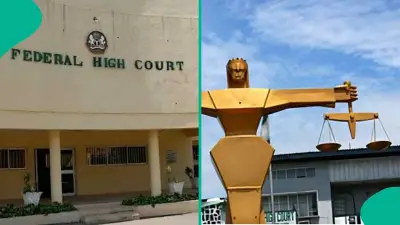
However, constitutional lawyers warn that the process, guided by Sections 129 and 188 of the 1999 Constitution, is notoriously vulnerable to procedural flaws. Nigeria's history is littered with impeachments that collapsed in court due to compromised due process.
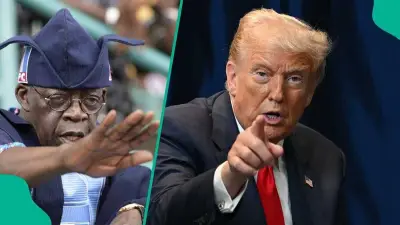
Complicating the picture are reports of unease in Abuja. Sources indicate that President Bola Tinubu and other influential figures are displeased with the impeachment push, wary of its potential to destabilize the state. While such interventions are rarely public, they often prove decisive in Nigeria's political architecture.
Divided Reactions: Party Rifts and Public Sentiment
Reactions beyond the Assembly chambers reveal deep divisions. A faction of the All Progressives Congress (APC) in the state, led by Emeka Beke, has voiced strong reservations. Spokesperson Darlington Nwuju argued the move lacks sufficient grounds and contradicts party ethos, warning against importing "indiscipline and divisiveness." He hinted that the national leadership may discipline Assembly members who defy the party's position.
Public sentiment also appears fluid. Some initial supporters are withdrawing, viewing the crisis as detached from the everyday concerns of Rivers people and risking deeper governance paralysis. The state is yet to recover losses in investment, revenue, and infrastructure following the recent period of emergency rule.
Conversely, supporters of the Assembly contend the pause demonstrates prudence and respect for due process. They argue impeachment is not a spectacle but a constitutional process requiring careful sequencing, and the House retains the right to resume on its own timeline.
The Governor's Stance and the Road Ahead
From the government's perspective, Special Adviser on Political Matters, Darlington Orji, maintains that Governor Fubara remains focused on governance. Orji dismissed the allegations as politically motivated, recalling that the current crisis stirred after Fubara declined a request for a supplementary budget from the camp of former Governor Nyesom Wike, promising instead to accommodate legitimate interests in the 2026 budget.
Orji warned that Rivers is being turned into a "theatre of political acts," with gladiators exploiting citizens for selfish ends. He affirmed the administration's commitment to dialogue and stability.
For a state accustomed to political storms, the coming weeks are decisive. Whether the Assembly presses forward or both arms of government opt for restraint will determine if Rivers plunges into fresh turbulence or finds a path to de-escalation. The echoes of the current silence will undoubtedly define the political narrative ahead.