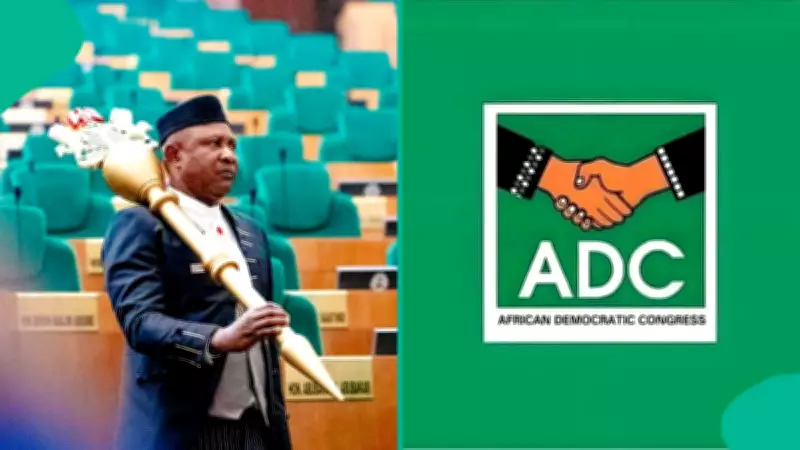
Full List of House of Representatives Members Who Recently Defected to ADC Published
A fresh wave of defections has significantly reshaped the political landscape in Nigeria’s House of Representatives, with lawmakers from the Labour Party, Peoples Democratic Party (PDP), and All Progressives Congress (APC) crossing over to the African Democratic Congress (ADC). This movement signals growing momentum for the ADC as it gains influence across multiple states, potentially altering political alliances and dynamics within the legislative chamber.
Labour Party Members Defect to ADC
Several lawmakers from the Labour Party (LP) have officially moved to the African Democratic Congress (ADC). The deputy minority whip, Hon. George Ozodinobi from Anambra State, alongside Harris Okonkwo (also from Anambra) and Seyi Sowunmi (representing Lagos), announced their defection. This shift marks a notable expansion of the ADC’s reach into key regions, bolstering its parliamentary presence and challenging the dominance of established parties.
PDP Members Defect to ADC
The ADC also welcomed new members from the Peoples Democratic Party (PDP), further diversifying its membership base. Hon. Yaya Tongo from Gombe State, Mani Maishinko Katami and Abdussamad Dasuki from Sokoto State, and Umar Yusuf Yabo all left the PDP to join the ADC. These defections highlight a trend of political realignment as lawmakers seek alternative platforms for representation and governance.
APC Members Move to ADC
From the All Progressives Congress (APC), Hon. Mustapha Abdullahi from Kaduna State and Philip Agbese from Benue State have defected to the ADC, strengthening the party’s presence across different states. This move adds to a series of high-profile defections from the APC to the ADC, indicating a broader shift in political loyalties and strategies ahead of future elections.
What This Means for ADC
The wave of defections signals growing momentum for the African Democratic Congress as it gains representation from three major parties: Labour Party, PDP, and APC. This shift could reshape political alliances in the House of Representatives, potentially influencing legislative outcomes and policy debates. The ADC’s ability to attract lawmakers from diverse backgrounds underscores its appeal as a reformist alternative in Nigeria’s political arena.
About ADC
The African Democratic Congress (ADC) is a Nigerian political party founded in 2005, with its headquarters in Abuja. It positions itself as a reformist party, aiming to promote transparency, accountability, and inclusivity in governance. The party describes itself as a “big tent” movement, welcoming diverse political views and focusing on building resilient institutions and a fair society. Though relatively small, the ADC has gained attention through defections and coalition efforts in recent years, challenging the dominance of political elites.
National Assembly Context
The Nigerian House of Representatives, often called the Green Chamber, is the lower chamber of the National Assembly, made up of 360 elected members who represent constituencies across the country. Members serve four-year terms and play a vital role in lawmaking, approving the national budget, and overseeing the executive branch to ensure accountability. Located in Abuja, the House is led by the Speaker, currently Hon. Tajudeen Abbas, and debates policies while drafting legislation to represent constituent interests at the federal level.
Prominent Politicians Who Left APC to Join ADC
Earlier reports indicated that the political landscape in Nigeria has seen notable shifts, with several prominent figures leaving the All Progressives Congress (APC) to join the African Democratic Congress (ADC). For instance, Ahmed Babba-Kaita, a serving senator from Katsina State, made headlines when he switched allegiance from the APC to the ADC, a move seen as a significant boost to the ADC’s presence in northern Nigeria. This trend of defections reflects ongoing realignments within the political sphere as parties vie for influence and support.