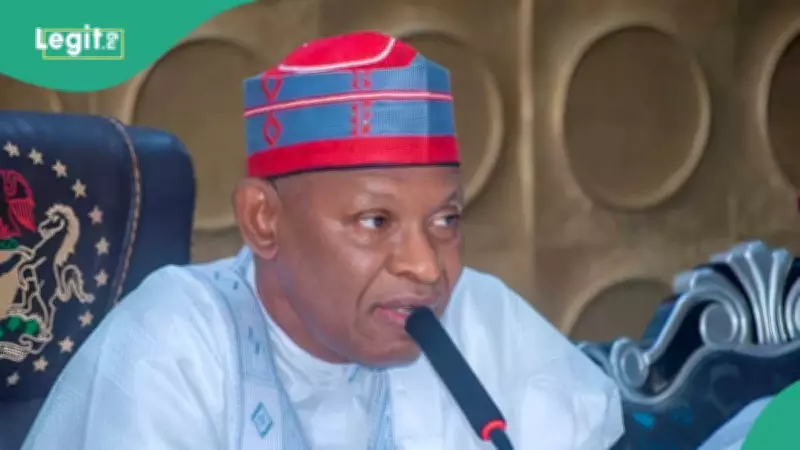
Kano Governor Yusuf Vows to Keep Wearing Kwankwasiyya Cap Despite APC Defection
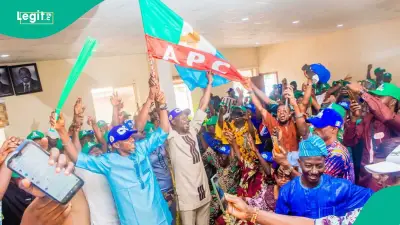
In a significant political development ahead of the 2027 elections, Kano State Governor Abba Kabir Yusuf has firmly stated that he will continue wearing the iconic red cap associated with the Kwankwasiyya movement, despite his recent defection to the ruling All Progressives Congress (APC). This clarification comes amid growing speculation and debate within the state regarding the governor's symbolic attire.
Spokesperson Denies Rumors of Cap Abandonment
Governor Yusuf's official spokesperson, Sanusi Bature Dawakin Tofa, has categorically denied rumors that the governor ordered supporters to stop wearing the traditional red and white attire of the Kwankwasiyya movement. In a statement, Tofa emphasized that no directive has been issued to drop the cap, noting that "it is not yet time to do so." This denial follows observations when Governor Yusuf was seen in Yola, Adamawa State, wearing a dark blue camouflage outfit bearing President Bola Tinubu's insignia, which led some supporters to question whether they should abandon the red cap.
In a Facebook post on Tuesday, March 24, 2026, Dawakin Tofa explained: "There has been no directive to remove the red cap yet. This was a special outing in Yola, Adamawa State, where dignitaries dressed in uniform. Let's be patient; everything has its time." This statement underscores the governor's intention to maintain the cap as part of his public image, even as he distances himself from the inner circle of the Kwankwasiyya movement led by his estranged mentor, Senator Rabiu Musa Kwankwaso.
Political Context and Defection
Governor Yusuf's decision to retain the Kwankwasiyya cap is particularly notable given his stunning political move in January 2026, when he dumped his political godfather, Senator Kwankwaso, and teamed up with the APC. This defection has intensified debates over his continued use of the red cap, a symbol long associated with the Kwankwasiyya movement. Despite the political shift, Governor Yusuf has reassured his supporters that he will not abandon the iconic attire, highlighting a complex balancing act between his new political affiliations and historical symbols.
The clarification from the governor's camp comes as political tensions rise in Kano State, with the 2027 elections looming. The Kwankwasiyya movement, known for its distinct red cap and white attire, has been a significant force in Kano politics, and Governor Yusuf's stance may influence voter perceptions and allegiances in the upcoming electoral cycle.
Government Denies Snub Allegations
In related news, the Kano State government has also addressed allegations that Governor Yusuf snubbed Muhammadu Sanusi II, the Emir of Kano, during the Hawan Nasarawa event at Government House, Kano. According to a statement signed by Dawakin Tofa on Monday, March 23, 2026, the governor's absence was due to a scheduling overlap with the annual strategic meeting of Nigerian Governors in Lagos.
The statement read: "For the avoidance of doubt, it is an established tradition for Governors to pay homage to the President during the Sallah period. This year's Eid-el-Fitr celebration of the Hawan Nasarawa coincided with the annual strategic meeting of Nigerian Governors, leading to a scheduling overlap that necessitated the Governor's presence outside the state." It added that Governor Yusuf had communicated with the Emir and delegated senior government officials, including the Speaker of the Kano State House of Assembly, to represent him at the event.
Broader Political Implications
Governor Yusuf's insistence on wearing the Kwankwasiyya cap despite his APC defection reflects broader political dynamics in Nigeria, where symbols and attire often carry deep political meanings. This move may be seen as an attempt to maintain a connection with his base and the Kwankwasiyya movement's supporters, even as he aligns with a different political party. It also highlights the ongoing influence of Senator Kwankwaso in Kano politics, despite the governor's departure from his circle.
As debates continue over Governor Yusuf's political strategies and symbolic choices, the situation underscores the intricate interplay between tradition, symbolism, and modern political maneuvering in Nigeria's vibrant democratic landscape. With the 2027 elections approaching, such decisions are likely to shape political narratives and voter engagement in Kano State and beyond.