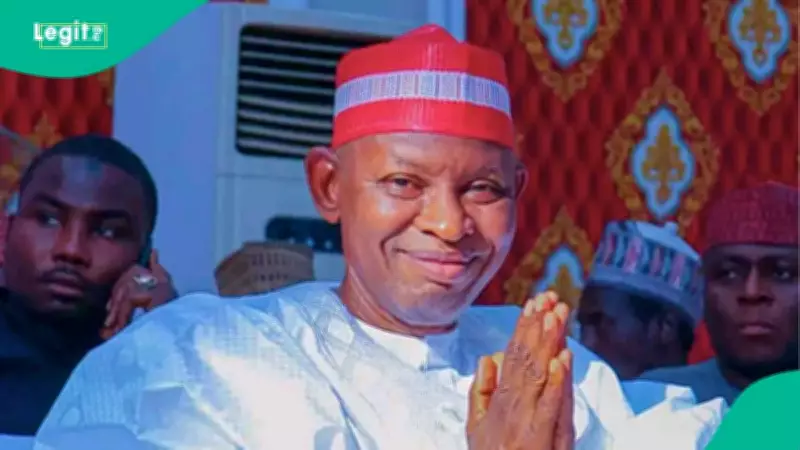
A recent video capturing Kano State Governor Abba Kabir Yusuf driving himself through the bustling streets of Kano late at night has generated significant attention and sparked widespread reactions across both the state and various social media platforms. The footage shows the governor navigating major thoroughfares in populated areas, with residents enthusiastically cheering, waving, and recording the moment on their mobile devices.
Political Symbolism in Public Engagement
The atmosphere during the governor's drive appeared notably relaxed and celebratory, with no visible heavy security presence accompanying the vehicle. This public appearance has been widely interpreted by political observers as a strategic move designed to reinforce Governor Yusuf's popularity and strengthen his grassroots connections. The timing of the video's emergence is particularly significant, as it coincides with an ongoing and intense political rivalry between Governor Yusuf and his former political mentor, Rabiu Musa Kwankwaso.
Fractured Mentor-Mentee Relationship
The relationship between these two prominent political figures deteriorated significantly following Governor Yusuf's decision to part ways with Kwankwaso and defect to the All Progressives Congress. Since this political separation, Kwankwaso has publicly accused his former ally of betrayal and has consistently criticized the current administration's policies and governance approach. This ongoing conflict has created a competitive environment for political influence and public support within Kano State, making symbolic gestures like the nighttime drive particularly meaningful in the local political context.
Social Media Strategy and Public Perception
The video quickly gained substantial traction across various online platforms, drawing both praise and criticism from different segments of the public. Supporters of the governor commended his accessibility and confidence, viewing the drive as evidence of his commitment to direct engagement with constituents. However, other social media users questioned the practical governance value of such public displays, with some commentators suggesting the action was primarily performative rather than substantive.
Motorcycle Distribution to Digital Influencers
This public relations initiative follows another significant move by the governor's administration aimed at strengthening his public image and communication strategy. Governor Yusuf recently approved the distribution of 600 motorcycles to social media influencers and digital content creators across Kano State. According to an official statement released by his spokesperson, Sunusi Bature Dawakin Tofa, this program is specifically designed to enhance coverage of government activities and improve information dissemination at the grassroots level.
The administration has explained that these motorcycles will enable beneficiaries to travel more freely across various communities while documenting government programs, policy implementations, and development projects. Governor Yusuf has publicly acknowledged the growing importance of social media platforms in shaping public opinion and maintaining transparency in governmental operations, indicating a strategic recognition of digital communication's role in contemporary governance.
Public Reactions and Political Analysis
The governor's nighttime drive has prompted diverse reactions from citizens and political analysts alike. Some observers view this action as a calculated demonstration of accessibility and confidence, while others question its substantive value in addressing pressing governance challenges. The incident highlights the complex dynamics of political symbolism in Nigerian governance, where visible public engagement often carries significant weight in maintaining political support and public goodwill.
Kano's political landscape has historically been characterized by strong emphasis on direct public interaction and symbolic gestures that resonate with local communities. This latest development continues that tradition while reflecting the evolving nature of political communication in the digital age, where social media platforms amplify both governmental actions and public responses to them.