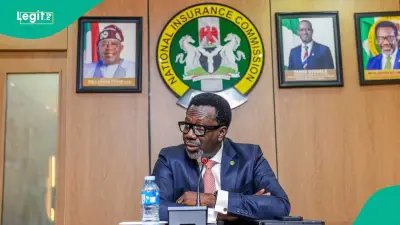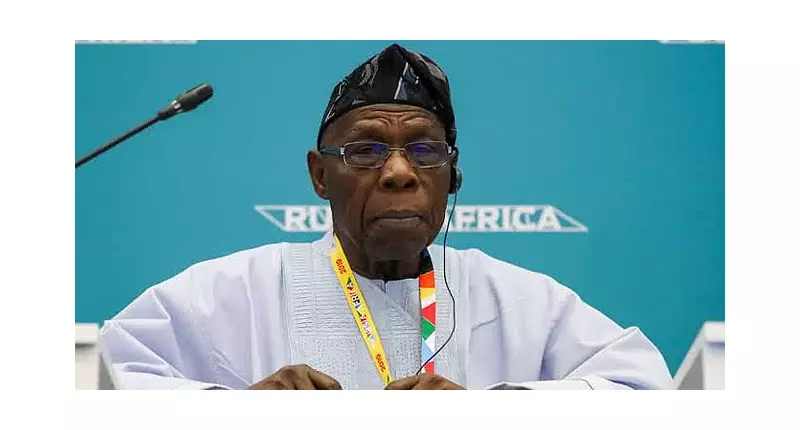
The Presidency has issued a sharp rebuke to former President Olusegun Obasanjo, stating he lacks the moral standing to criticise President Bola Tinubu over Nigeria's worsening security situation. This response follows Obasanjo's recent remarks advocating for foreign intervention to tackle the crisis.
Obasanjo's Call for Foreign Help Sparks Fury
The exchange began when former President Obasanjo, speaking at a public function in Jos, Plateau State, on Friday, November 28, expressed deep concerns over the rising insecurity nationwide. He suggested that if the current government could not handle the threat, it should not hesitate to accept help from foreign nations.
His comments came weeks after former US President Donald Trump criticised the Nigerian government over attacks on Christians and made controversial statements about invading Nigeria to eliminate terrorists.
Presidency's Scathing Response: A Case of Failed Leadership
In a statement released over the weekend by the Special Adviser to the President on Media and Public Communication, Sunday Dare, the Presidency condemned Obasanjo's suggestion as an "abdication of responsibility." The statement argued that true leadership does not involve outsourcing a nation's internal security.
"The suggestion that Nigeria should effectively subcontract its internal security to foreign governments is not statesmanship; it is capitulation," the statement declared. It urged the former leader to first reflect on his own record before offering such advice.
Accusation: Terrorism Germinated Under Obasanjo's Watch
The Presidency's most pointed accusation was that Obasanjo's administration allowed the seeds of terrorism to be sown. The statement presented this as a historical fact, claiming the ideological foundations and early cells of groups like Boko Haram were nurtured during his tenure.
"It is a historical fact that the ideological seeds and early cells of Boko Haram were nurtured during Obasanjo’s civilian presidency," the statement read. It accused his government of failing to act with urgency as extremists recruited and established camps, allowing a preventable sect to transform into a violent insurgency and regional menace.
The government described Nigeria's current threat as a "multilayered terrorist ecosystem," comprising:
- Internationally designated terror organisations.
- ISIS and al-Qaeda-linked franchises in the Sahel.
- Local violent extremist groups posing as bandits.
- Cross-border terrorist cells.
- Ideological insurgents and criminal-terror hybrids.
It emphasized that these groups collaborate, sharing resources with the common goal of breaking the Nigerian state.
Nigeria's Stance: Cooperation, Not Capitulation
While firmly rejecting the idea of surrendering sovereignty, the Presidency clarified that Nigeria remains open to international cooperation in fighting terrorism. It highlighted ongoing collaboration with the United States and other allied nations as crucial, given the transnational nature of the threat.
"Nigeria will cooperate internationally, yes, but it will not raise a white flag because someone who once had the chance lost his nerve," the statement concluded, drawing a clear line between seeking partnership and admitting defeat.
The government's message was unequivocal: it will confront the terrorists attacking Nigerians and challenging state authority, but on its own terms, learning from what it views as the failures of past administrations.